
admin
Cessna 150: The Classic Trainer That Shaped Modern Aviation
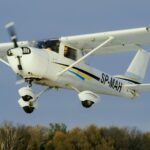
The Cessna 150 may look like a modest little aircraft, but its impact on the world of aviation is anything but small. When people talk about the planes that made flying accessible, it is almost impossible not to mention this friendly and familiar two seater. For many pilots, instructors, and aviation enthusiasts, the Cessna 150 represents the first real taste of flight, the first hands on lesson in the sky, and often the first memories that inspired a lifelong passion. This aircraft did not just serve as a training tool. It reshaped how people approached flying and made aviation feel attainable for students from all backgrounds.
Its charm comes from its simplicity and practicality. Designed to be reliable, predictable, and efficient, the Cessna 150 helped thousands of pilots gain confidence during their earliest and most formative hours in the cockpit. Even today, long after more advanced training aircraft have entered the scene, the Cessna 150 continues to hold a place of honor as one of the most recognized general aviation aircraft ever produced. It is a blend of nostalgia and smart engineering that still captures hearts across the globe.
The story of the Cessna 150 is more than a historical timeline. It is a story of accessibility and how the aviation industry shifted into a more inclusive direction. This aircraft stands as proof that sometimes the simplest machines make the biggest mark. To understand why the Cessna 150 continues to matter, it is worth exploring how it was built, why it worked so well as a trainer, and how it shaped the modern standards used in flight training today.
How the Cessna 150 Came to Life
When Cessna introduced the 150 in the late 1950s, aviation was in a period of transition. Flight schools were expanding, the number of private pilots was growing, and there was a strong need for an aircraft that could serve as a dependable primary trainer. The company had already seen success with earlier models, but the 150 aimed to refine what pilots needed most: simplicity, efficiency, and low operating costs. It became a plane that allowed more people to fly without being limited by complicated systems or expensive maintenance routines.
The engineers behind the Cessna 150 focused on creating a structure that was sturdy and forgiving. With its all metal airframe and tricycle landing gear, it was intentionally designed to be easier for students to handle during takeoffs and landings. Tricycle gear was becoming popular at the time because it reduced the tendency for ground loops, especially for inexperienced pilots. This design choice alone made training smoother and less intimidating.
As the aircraft evolved over the years, different variants of the Cessna 150 emerged. Each version offered subtle improvements while keeping the core design philosophy intact. Below is a table summarizing several key variants and their notable features.
| Variant | Production Years | Key Changes | Purpose |
| Cessna 150 (Original) | 1958 to 1960 | Basic trainer design, simpler interior | Entry level pilot training |
| Cessna 150A to 150D | 1960 to 1964 | Improved cabin comfort, slight weight changes | Enhanced training experience |
| Cessna 150E to 150G | 1964 to 1967 | Better fuel system, redesigned instruments | More reliability for schools |
| Cessna 150H to 150K | 1967 to 1970 | Stronger engine mounts, aerodynamic improvements | Increased durability |
| Cessna 150L | 1971 to 1974 | Larger tail surface, improved flaps | Better stability and control |
| Cessna 150M | 1974 to 1977 | Final updates, new windows and lighting | Last evolution of the series |
These upgrades helped the Cessna 150 remain relevant throughout its production. By listening to instructors, students, and operators, Cessna adjusted the aircraft to fit real world training demands. What stayed constant was the goal to keep flying accessible and enjoyable. The steady evolution of the 150 reflected how the aviation world itself was growing and becoming more structured in its approach to pilot training.
Another important factor in its development was Cessna’s production strategy. The company built the aircraft in large numbers, which helped lower costs and made spare parts widely available. This was crucial for flight schools, especially those that operated fleets of these small planes. The more common the 150 became, the more standardized flight training methods became as well. It was not just an aircraft. It became part of the foundation for consistent, safe, and affordable training across countless aviation communities.
Why Flight Schools Trusted the Cessna 150
The Cessna 150 earned its place as a top flight school favorite for reasons that go far beyond nostalgia. From the moment a student stepped inside, the aircraft presented a layout that felt intuitive and manageable. The controls were straightforward, the gauges were clearly arranged, and the workload was ideal for someone learning the fundamentals. Instead of overwhelming students with complexity, the 150 gave them the space to build confidence gradually.
One major advantage of the Cessna 150 is its forgiving flight characteristics. Trainers need to be predictable, and the 150 delivered exactly that. Its stall behavior was gentle, its control inputs were responsive without being overly sensitive, and it allowed students to correct mistakes without losing stability too quickly. These qualities helped instructors teach essential skills in a safer and more controlled environment.
Fuel efficiency also made the Cessna 150 incredibly appealing to training operators. With a relatively low fuel burn rate, schools could offer more flying hours at affordable rates. This affordability encouraged more aspiring pilots to pursue lessons, which played a big role in shaping the aviation workforce during the time. The more accessible flying became, the more students could confidently work toward earning their licenses.
Beyond its design and cost effectiveness, the Cessna 150 had a practical side that instructors loved. Here are several reasons flight schools consistently trusted the aircraft:
- Simple Maintenance Requirements: Mechanics could easily work on the aircraft without dealing with overly complex systems. This reduced downtime and kept more planes available for daily training schedules.
- Consistent Parts Availability: Since Cessna produced the 150 in large quantities, flight schools rarely struggled to find replacement parts. This consistency made long term operation more reliable and predictable.
- Ideal Training Cockpit: Students learning navigation, instrument reading, and basic flight techniques found the cockpit manageable. It encouraged hands on learning without distractions.
- Strong Safety Record: The Cessna 150 built a reputation for being dependable even when used heavily. Its structural design and predictable handling supported safe training practices.
- Versatility for Students at Different Levels: Whether someone was preparing for their first solo or working on advanced maneuvers, the 150 adapted well to different training scenarios.
These advantages shaped how flight schools structured their programs. As thousands of students learned to fly in these planes, the Cessna 150 became a symbol of consistency and reliability. Its presence in hangars across the world set a standard for what a training aircraft should be. The model influenced how newer trainers were designed, demonstrating that simplicity and smart engineering could produce long lasting results.
The more schools adopted the Cessna 150, the more the aviation community relied on it as a benchmark. The aircraft helped create a common training experience that pilots from different backgrounds could relate to. This shared foundation helped strengthen aviation culture and gave future pilots a sense of unity, knowing they had all learned the ropes in the same friendly cockpit.
The Flying Experience That Captured Generations
Flying a Cessna 150 is something many pilots remember fondly. Even those who went on to fly commercial jets or advanced military aircraft often look back at their time in the 150 as the phase where they truly learned how to feel an airplane move. There is a certain charm in how the aircraft responds to the smallest inputs and how it encourages pilots to understand the air around them rather than rely heavily on automation.
One of the most appealing aspects of flying the Cessna 150 is its slow and steady nature. Student pilots often feel nervous when they begin training, and the 150 helps calm those nerves with its predictable behavior. It is not meant to be fast or aggressive. Instead, it allows pilots to build muscle memory and develop instincts without rushing the learning process. This is part of why it became so popular as a primary trainer.
Inside the cabin, the simplicity of the controls invites focus and practice. Pilots learn the importance of coordination, trim adjustments, and energy management. These skills become the foundation for everything they do later, whether flying small private planes or large airliners. The Cessna 150 gives them the space to make mistakes safely and learn correct techniques in a hands on, authentic way.
Another memorable aspect of the 150 is its ability to connect pilots to the joy of flying. The view from the cabin is wide and open, making every flight feel like an invitation to explore. Many pilots say the Cessna 150 allowed them to appreciate the beauty of the skies in a way that more complex aircraft sometimes hide behind layers of technology. The experience is raw, pure, and deeply memorable.
Below are a few reasons pilots often say the Cessna 150 feels special when flying:
- Light and Responsive Controls: The aircraft reacts smoothly to inputs, helping pilots understand how small adjustments affect flight behavior.
- Comfortable Visibility: The large windows allow pilots to enjoy clear, unobstructed views that make visual navigation feel natural and enjoyable.
- Gentle Learning Curve: Its predictable handling makes it suitable for students who are still learning to trust their instincts and manage fear.
- Connection to Basic Flying Skills: Flying the 150 encourages a deeper understanding of aerodynamics, energy management, and manual control.
- Low Stress Environment: Because the aircraft is forgiving and slow paced, pilots have more time to think and respond during training situations.
Together, these qualities created a flying culture built on confidence and curiosity. The Cessna 150 turned ordinary individuals into skilled aviators and inspired many to pursue flying as a career or lifelong hobby. Even today, stepping into a 150 feels like revisiting the roots of aviation training. It reminds pilots of how simplicity can lead to mastery and how the earliest lessons remain the most meaningful.
How the Cessna 150 Shaped Modern Training Standards
The influence of the Cessna 150 extends well beyond its production years. While many training aircraft have come and gone, the standards established during the era of the 150 helped define modern pilot education. Flight schools today, whether large academies or small local operations, still follow training principles that were shaped by how students learned in this aircraft.
One of the biggest contributions the Cessna 150 made was in normalizing the tricycle landing gear setup for training. This configuration offered greater stability and easier control during landings and taxiing, which helped reduce student stress and lower the number of ground handling incidents. Now, most modern trainers use tricycle gear for the same reasons.
Its cockpit design also paved the way for a more structured training workflow. By organizing gauges and controls in a logical manner, the Cessna 150 made it easier for students to understand the relationship between airspeed, altitude, engine power, and attitude. This setup influenced how newer aircraft layouts were created, improving consistency across different brands and models used in flight training today.
The affordability of the 150 played a significant role in shaping training accessibility. In the decades after its release, flight hours became more reachable for aspiring pilots who did not have deep financial resources. This helped fuel the growth of the aviation workforce. Many modern training programs still emphasize cost efficiency, often drawing inspiration from the operational style of 150 era flight schools.
Here are key ways the Cessna 150 influenced modern aviation training:
- Standardization of Basic Cockpit Layouts: Its arrangement of instruments helped create a common learning environment that future trainers continued to follow.
- Focus on Fuel Efficiency: The 150 highlighted the importance of balancing performance and affordability, a principle that remains important today.
- Encouragement of Hands On Learning: Its simple controls encouraged instructors to teach manual flying skills that remain essential even in advanced aircraft.
- Durability Expectations: Flight schools expect modern trainers to withstand heavy daily use, a standard set by the longevity of the Cessna 150.
- Safety Focus in Early Training Phases: The aircraft showed that forgiving flight behavior could significantly reduce training risks and improve student outcomes.
The impact of these changes is still visible in aviation schools globally. Whether an instructor is teaching steep turns, practicing emergency procedures, or preparing a student for their first solo, the principles that originated from the Cessna 150 era continue to guide the process. Many flight schools even keep older 150s in their fleets today, both for nostalgia and practicality.
What makes the Cessna 150 especially influential is that it bridged the gap between aviation’s early days and the structured modern approach we see now. It helped set expectations for how a primary trainer should behave, how it should be maintained, and how students should interact with it. This aircraft will always be part of the foundation upon which modern pilot training is built.
The Timeless Value of the Cessna 150
The Cessna 150 may no longer be in production, but its legacy remains deeply rooted in aviation communities around the world. Whether it sits in a flight school hangar, an airfield museum, or a private collection, the aircraft continues to represent a golden era of learning and discovery. Newer models with advanced avionics and modern engines might offer more features, but many pilots still choose to fly or restore Cessna 150s because of their historical and emotional significance.
The aircraft’s affordability continues to attract beginners and hobbyists. Compared to larger or more technologically advanced planes, the 150 offers a cost effective way to stay active in aviation. Maintenance remains manageable, parts are still available through various suppliers, and the aircraft is known for its resilience even after decades of flying.
Its value also lies in the memories it represents. Pilots who trained in a Cessna 150 often describe a sense of connection to the aircraft that feels personal and enduring. They remember the sound of the engine on early morning flights, the challenge of mastering their first solo landing, and the excitement that came with discovering the freedom of the skies. These experiences shaped their identity as aviators and often influenced their career paths.
The following points explain why the Cessna 150 continues to matter today:
- Accessible Entry Point for New Pilots: The aircraft remains one of the most affordable ways to begin flying, both in terms of rental costs and ownership.
- Strong Community of Supporters: Enthusiasts, mechanics, and restorers keep the aircraft alive through online forums, clubs, and events.
- Historical Importance: The 150 represents a turning point in how the world approached pilot training, making it valuable from both an educational and historical standpoint.
- Reliable for Recreational Flying: Pilots who enjoy weekend flights or cross country trips appreciate its dependability and simplicity.
- A Symbol of the Joy of Learning: The Cessna 150 captures the spirit of discovery and the excitement of mastering something new.
Looking at its role in history, its continued presence in training fleets, and its emotional connection to generations of pilots, the Cessna 150 remains one of the most influential aircraft ever made. It is a reminder that innovation does not always require complexity. Sometimes, the most effective solutions are the ones that focus on clarity, reliability, and an understanding of what students truly need.
Even as aviation advances into an era of automation and high tech cockpit systems, the Cessna 150 stands as a symbol of where it all began for countless pilots. Its timeless value proves that great design and thoughtful engineering can leave a legacy that spans decades. The little trainer that shaped modern aviation will always have a respected place in the sky and in the hearts of those who first discovered flight through its wings.
Image Credit: Wikimedia Commons
9 Interesting Facts About Private Planes You Probably Didn’t Know
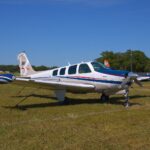
1. The Real Cost of Flying Private Is Not What Most People Think
Most people assume private planes operate in a world of unchecked luxury, but the reality is a fascinating mix of convenience, efficiency, and strategic financial choices. When you hear about private plane ownership, it is easy to picture a billionaire casually buying a jet just to skip lines at the airport. What many people do not realize is that private aviation has its own ecosystem of practical costs, surprising workarounds, and unexpected savings. The numbers involved can look intimidating at first, but once you break them down, the story becomes much more interesting.
One of the biggest surprises is how ownership models differ depending on how often someone flies. For example, a frequent traveler might use fractional ownership, while someone who wants flexibility without full responsibility might prefer jet cards or on demand charters. These arrangements allow people to enjoy the perks of private aviation without buying a plane outright. It is not always about wealth. Sometimes it is about time savings, convenience, or the needs of hectic work schedules.
To make things easier to understand, here is a simple breakdown of the most common cost structures:
Typical Private Aviation Cost Models
| Model | How It Works | Who It Fits | General Cost Range |
| Full Ownership | You buy and maintain the aircraft | Frequent flyers, corporations | High upfront cost, ongoing monthly expenses |
| Fractional Ownership | You buy a portion of a plane and share access | Moderate to frequent flyers | Lower upfront cost, monthly management fees |
| Jet Cards | Prepaid flight hours on demand | Occasional flyers, those needing predictable pricing | Pay for blocks of hours |
| On Demand Charter | Book flights whenever you need | Infrequent flyers or one time trips | Pay per flight with no long term commitment |
Once you start seeing these tiers laid out, it becomes clear that private flying is not a one size fits all extravagance. Even business owners who would never consider full ownership might find a jet card or charter surprisingly practical. People are often shocked to discover that the aviation world has built these models to meet different habits, budgets, and schedules.
Another little known truth is that depreciation and maintenance shape the cost story far more than fuel. Engines require overhauls after a certain number of operating hours, avionics upgrades can be costly, and pilots must complete recurrent training. All of these factors shape the real price of private aviation. Yet for many, the time savings and flexibility create value that outweighs the costs. That is why even small companies sometimes choose private travel. It buys back hours, prevents delays, and keeps workers mobile.
2. Private Planes Can Land in Way More Places Than Commercial Jets
One of the coolest facts about private planes is their ability to reach airports that big commercial jets cannot access. This is often the detail that surprises first time flyers the most. Instead of relying on large international airports, private pilots often use smaller regional fields. These airports might have shorter runways, fewer facilities, and quieter airspace, but they offer an enormous advantage in terms of convenience and routing.
Imagine skipping busy terminals and heading straight to an executive airport just a few minutes from your destination. That single perk can turn hours of ground travel into a few minutes of taxi time. Even more interesting is that private planes can land on a variety of surfaces. While commercial jets require long, paved runways, some private planes can touch down on gravel, grass, or compacted dirt. This flexibility is part of what makes private aviation the go to choice for travelers heading to remote vacation spots, construction sites, or rural areas.
Here are examples of landing possibilities exclusive to private aircraft:
Unique Landing Capabilities
- Short runways at remote islands.
- Mountain airstrips with steep approaches.
- Private ranches or private airfields.
- Rural airports closer to small towns.
- Specialized terrain like gravel or grass strips.
- Resorts with private runways.
- Locations without air traffic control towers.
The ability to land almost anywhere opens up an entirely different way to travel. If you think about it, commercial aviation forces passengers into major hubs, even when the final destination is nowhere near those cities. Private planes turn that limitation upside down. You go exactly where you need to be instead of being routed through massive airport terminals.
This capability also matters in urgent situations. Medical flights, business teams responding to emergencies, and government personnel often rely on smaller aircraft to reach areas that would otherwise be inaccessible. The advantage is not just comfort but precision. You can land closer, react faster, and avoid delays caused by major airport congestion.
Another interesting detail many people do not know is that the smaller size of private aircraft allows more creative routing. Pilots can fly above commercial traffic or choose altitudes that offer smoother air. This flexibility creates a smoother, quieter ride that feels more customized. If you have ever wondered why private flight feels different, this ability to land in more places and choose unique routes is a major reason.
3. The Interiors Can Be Customized More Than You Think
People expect luxury inside a private jet, but very few realize just how customizable these cabins really are. Unlike commercial planes where every seat is nearly identical, private planes allow owners to tailor almost every inch of the interior. Everything from cabin layout to materials to lighting can be shaped according to preference. It is more like designing a miniature apartment than choosing an airplane seat.
Private plane interiors can include sofas, day beds, conference tables, wet bars, entertainment systems, and even showers in large enough models. Owners often choose cabin themes that reflect their personal style. Some prefer sleek, minimalist layouts with clean lines, while others lean toward plush seating, warm colors, and cozy lounges. The interior becomes a space that reflects how the traveler actually lives or works, not a rigidly standardized airline cabin.
Here are some of the features people frequently include in custom private jet interiors:
Popular Interior Customizations
- Fully reclining couches or modular sofas.
- Conference seating areas for meetings.
- Adjustable LED mood lighting.
- High speed internet systems.
- Fold out dining tables for meals onboard.
- Walk in lavatories with designer finishes.
- Built in entertainment screens and audio systems.
- Specialized cabins for sleeping on long flights.
Customization goes far beyond aesthetics. Some business travelers design their interiors for productivity. They might create a dedicated workspace, install secure communication equipment, or arrange seating to resemble an office. Others who travel for leisure prioritize comfort, entertainment, or even family friendly layouts. For example, parents might include soft carpeting, extra storage, and lounge seating that doubles as a play area for children during long trips.
Another fascinating point is the variety of materials used in cabin construction. Instead of the standard plastics and fabrics you see in airliners, private jet interiors often use leather, hardwood, polished metals, and custom upholstery. The goal is to strike the perfect balance between weight, durability, and luxury. Aircraft designers must make materials light enough for efficient flight yet strong enough to last hundreds of hours in the air. This challenge leads to innovative materials you would rarely encounter elsewhere.
The customization process can take months because designers need to comply with aviation safety standards. Every piece of furniture must be securely mounted and tested to withstand turbulence. Lighting and electrical systems require specialized certification. This combination of engineering and interior design makes private jet customization an art form mixed with precision science.
4. Private Planes Fly Higher and Smoother Than Commercial Airlines
One of the least discussed advantages of private jets is their ability to cruise at higher altitudes than most commercial aircraft. While big airliners typically fly between 35,000 and 38,000 feet, many private jets can operate closer to 45,000 feet or above. This is a detail many first time private flyers notice when the ride feels calmer, quicker, and less crowded by other aircraft.
Flying higher provides several benefits. First, there is less air traffic at these altitudes, which allows pilots to take more direct routes. Second, turbulence tends to be milder because jets can climb above most weather disturbances. Third, flying higher improves fuel efficiency for certain aircraft models, allowing longer ranges or faster speeds. All of these factors contribute to a more pleasant flight experience.
Here is a quick breakdown of how altitude affects the flight:
How Higher Altitudes Improve Private Flights
| Benefit | Explanation |
| Less Air Traffic | Fewer planes means pilots fly more direct paths |
| Smoother Air | Jets climb above most turbulence layers |
| Better Fuel Efficiency | Thin air improves performance on some models |
| Faster Cruising Speeds | Reduced drag allows more aerodynamic movement |
| Increased Privacy | Altitudes rarely used by passenger jets |
When you combine these benefits, the result is a flight that feels more tailored to your needs. You do not sit in a crowded cabin. You do not wait for long stretches on the runway. You do not experience the constant rise and dip of turbulence. Higher cruising altitudes create a more refined experience overall.
Another surprising factor is how this impacts scheduling. Commercial flights often face departure delays because of crowded airspace. Private jets, on the other hand, slip through these layers with fewer bottlenecks. That difference can turn a stressful travel day into a smooth, predictable one. For business travelers, that reliability is invaluable.
If you have ever wondered why private flights feel peaceful, it is largely due to this cruising altitude advantage. It creates a unique travel rhythm that feels closer to gliding than the more structured patterns of commercial airliners. Some private jets even fly faster than airliners, which means long routes can be covered in less time. This speed is not just about luxury but practicality, especially for international travel.
5. The Pilot Training for Private Aircraft Is More Intense Than You Might Expect
Most people think flying a private plane is just a simpler version of flying a commercial jet. But the truth is that private pilots go through some of the most detailed and personalized training in the aviation world. The training varies depending on whether the pilot flies light private planes, turboprops, or high performance business jets. These programs require precision, frequent evaluations, and ongoing certifications.
Private jet pilots typically undergo recurrent training every six to twelve months. These sessions simulate emergency scenarios, equipment failures, extreme weather, and complex landings. Unlike large airline crews who fly standard routes with predictable procedures, private pilots often visit smaller airports with unique terrain and layouts. This requires sharper skills and an ability to adapt quickly. They may need to handle short runways, mountain approaches, or unfamiliar airspace more frequently than airline pilots.
You might be surprised by how much goes into the job. Here is a simple look at the common responsibilities of private jet pilots:
Core Duties of Private Pilots
- Conducting pre flight inspections and confirming aircraft readiness.
- Creating custom flight plans for each trip.
- Monitoring real time weather changes along the route.
- Communicating with air traffic control across various airspaces.
- Ensuring safety in airports without control towers.
- Managing weight and balance for cargo and passenger loads.
- Coordinating with maintenance crews about mechanical issues.
- Handling luggage, fueling, or additional ground tasks depending on the operation.
Another detail many people do not know is that some private jet pilots also take on concierge roles. Since they fly for individual clients or companies, they may help coordinate catering, ground transportation, or passenger preferences. This creates a more personal relationship with travelers compared to the standardized workflow of airline pilots.
Training also includes aircraft specific certifications. A pilot qualified to fly a small prop plane cannot automatically fly a high performance business jet. Each model has its own training modules, simulators, and check rides. This specialization makes private aviation incredibly safe because pilots understand their aircraft with remarkable detail.
Lastly, many private pilots come from military or airline backgrounds. They bring thousands of hours of experience before transitioning to private jets. So if you have ever wondered who sits in the front of a private aircraft, the answer is often someone who has spent decades mastering their craft.
6. Some Private Planes Are More Fuel Efficient Than Expected
Private planes often get labeled as gas guzzlers, but the story is more nuanced than that. While large business jets do consume significant fuel, many smaller private aircraft are surprisingly efficient. In fact, certain turboprops use less fuel than commercial jets on short routes because they fly at lower altitudes and lower speeds, which reduces fuel burn.
Fuel efficiency also depends on engine type, aircraft weight, altitude, and routing. Modern private jets often incorporate aerodynamic improvements, lighter materials, and advanced engines that reduce emissions. Some new designs prioritize sustainability, offering efficiency similar to or better than older commercial aircraft models.
To visualize the differences, here is a simplified comparison:
Private Plane Fuel Efficiency Categories
| Aircraft Type | Typical Fuel Burn Per Hour | Notes |
| Light Jet | Moderate | Efficient for short business trips |
| Turboprop | Low | One of the most fuel friendly private aircraft |
| Mid Size Jet | Moderate to High | Balances range and speed |
| Heavy Jet | High | Long haul flights requiring more fuel |
| Very Light Jet | Very Low | Ideal for short hops with minimal fuel use |
Another surprising fact is that private jets sometimes burn less fuel per passenger on certain routes than commercial flights. This happens when commercial airlines fly indirect routes due to congested airspace while a private jet can choose a more direct flight path. Fewer takeoffs, shorter taxi times, and optimized altitudes all play into fuel savings.
New technologies are changing the landscape even further. Manufacturers continue to develop quieter, more efficient engines. Flight management systems optimize fuel burn by adjusting throttle settings and altitude in real time. Winglet designs and composite materials help reduce drag, which boosts performance while saving fuel.
Private aviation companies also experiment with sustainable aviation fuels made from renewable sources. These fuels can reduce carbon emissions and improve engine efficiency without requiring major aircraft modifications. It is a growing part of the industry and one that many travelers do not realize is available.
So while it is true that large, long range jets consume a lot of fuel, not all private planes fall into that category. The spectrum is diverse, and many models deliver surprisingly eco minded performance.
7. Private Plane Cabins Stay Quieter Than Commercial Airline Cabins
One of the first things people notice when stepping inside a private plane is the quiet. The difference is subtle at first, but it becomes obvious when you realize you can hold conversations at normal volume without raising your voice. This is because many private jets have advanced soundproofing systems that minimize engine noise and wind vibration. The result is a peaceful cabin ideal for relaxation or productivity.
Cabin noise reduction comes from several factors. Many private jets mount engines at the rear of the fuselage, which naturally reduces cabin noise. Others use advanced insulation materials that absorb sound and prevent vibration from echoing through the cabin. Some models even incorporate acoustic panels that fine tune the sound environment.
Here are a few common contributors to the quieter cabin experience:
Why Private Planes Are Quieter
- Rear mounted engines keep sound away from seating areas.
- Fewer passengers reduce movement and background noise.
- Custom insulation minimizes vibration and exterior sound.
- Higher cruising altitudes reduce atmospheric turbulence noise.
- Modern jets use advanced noise reducing materials in cabin walls.
The quiet cabin is more than a comfort perk. It allows business travelers to hold meetings, review documents, or take calls without interruption. Families on vacation appreciate the relaxed, whisper like environment. Even naps feel easier because there is less sensory disruption compared to larger aircraft.
What many people do not realize is that noise levels on commercial flights vary widely depending on where you sit. Passengers near the wings or engines experience much louder environments. Private jets eliminate most of those variables because passengers sit farther from the engines or within insulated spaces.
Some private jet designers also consider acoustics when shaping cabin layouts. Furniture placement, panel design, and flooring materials all influence the sound profile. It is a subtle engineering art that creates a cozy environment where conversations flow naturally.
Once you fly on a quieter cabin, it becomes easier to understand why people describe private aviation as peaceful. The experience is not just luxury. It is a quieter, more focused way of traveling.
8. Some Private Planes Can Fly Entire Continents Without Stopping
One of the most impressive facts about private jets is their long range capability. While small jets are ideal for regional trips, large business jets are built for serious distances. Some models can travel from coast to coast or even cross oceans without needing a fuel stop. This allows travelers to maximize time, avoid layovers, and enjoy nonstop routes that commercial airlines do not always offer.
Long range jets often include advanced wing designs, high capacity fuel tanks, and specialized engines that maintain efficiency at high altitudes. These aircraft are built for endurance, comfort, and speed. The ability to fly uninterrupted creates a seamless experience that feels more like teleporting across continents than navigating traditional airline schedules.
Here is a simplified look at typical ranges for different private aircraft categories:
Private Jet Range Categories
| Aircraft Category | Typical Range | Ideal Use |
| Very Light Jet | Short | Local and regional travel |
| Light Jet | Short to Medium | State to state trips |
| Mid Size Jet | Medium to Long | Domestic cross country flights |
| Super Mid Size Jet | Long | International routes within continents |
| Heavy Jet | Ultra Long | Global travel with minimal stops |
The ability to fly long distances also affects cabin design. Long range jets often include separate lounge areas, sleeping quarters, and larger lavatories. Since trips can last many hours, comfort matters more than ever. Travelers can sleep, eat, work, or relax in spaces designed for extended use.
These long haul private flights can even outperform commercial ones in certain cases. For example, commercial airlines follow fixed schedules and designated routes. Private jets often choose custom routes that minimize time in the air. This agile approach allows passengers to reach destinations more efficiently.
The extended range capability becomes even more valuable during business emergencies, high pressure travel days, or family trips where convenience is crucial. Flying private collapses long journeys into simple, uninterrupted experiences. It changes the way you think about time and distance because the plane works around your needs instead of the other way around.
9. Not All Private Planes Are Multi Million Dollar Jets
One of the biggest myths about private aviation is that every plane costs millions of dollars. The truth is much more varied. Yes, large business jets from well known manufacturers can reach sky high prices, but many private planes are surprisingly accessible. Some used turboprops or older light jets cost less than luxury cars or upscale homes. This reality often shocks people who assume private aviation is reserved for ultra wealthy travelers.
Private plane prices depend on age, condition, performance, and maintenance history. For example, older turboprops can be purchased at a fraction of the cost of a new jet. Light sport aircraft and small prop planes are even more affordable. This range makes private flying a possibility for hobbyists, small business owners, or aviation enthusiasts who want the freedom of flight without extravagant budgets.
Here is a simplified breakdown of typical price ranges:
Typical Private Aircraft Price Categories
| Aircraft Type | Estimated Price Range |
| Light Sport Aircraft | Low to Moderate |
| Single Engine Prop Plane | Moderate |
| Older Turboprop | Moderate to High |
| Light Jet | Higher Range |
| Modern Business Jet | Very High |
Beyond purchase price, many owners team up with partners through co ownership agreements. This splits the upfront cost and ongoing expenses among several people. Others offset costs by leasing out the aircraft when they are not using it. These financial strategies make private aviation more practical than many assume.
Another overlook detail is that small aircraft often have excellent resale value when maintained properly. Aircraft logs, inspections, and engine records play a big role in keeping the value stable. So while the upfront price can be a significant investment, it does not disappear overnight like many luxury purchases.
In addition, the operating costs are lower for many small private planes than people assume. Fuel consumption is moderate, maintenance is manageable, and hangar fees vary depending on location. Some owners even keep their planes at smaller airports where fees are lower.
Private aviation is not a single category. It is an entire spectrum of aircraft with different functions, costs, and ownership styles. Some people fly private because of convenience or business needs. Others fly because they love the experience. Once you understand how diverse the market is, it becomes clear that private aviation is more accessible and more fascinating than most people imagine.
Why the Cirrus SR22 Is the Best Four-Seat Plane for Modern Pilots

When pilots start talking about dream four seat airplanes, the Cirrus SR22 almost always enters the conversation. It has become the kind of aircraft that makes flying feel smoother, safer, and more intuitive. If you have ever stepped inside one, you know the feeling right away. The cockpit looks like the flight deck of a modern jet. The seats feel like a luxury car. The avionics seem ready for any mission. Pilots walk away thinking that flying has finally caught up with the twenty first century.
There is something about the SR22 that makes it stand out. It is the mix of performance, design, and confidence boosting safety features that the typical modern pilot wants today. You might be a weekend flyer, a business owner who uses aviation to save time, a flying family that wants comfort, or a student pilot dreaming about your first personal aircraft. No matter your background, the SR22 offers features that feel tailor made for the next generation of general aviation.
In this long form discussion, we will explore the five sections that matter most when deciding whether the Cirrus SR22 is the best four seat plane for modern pilots. You will see how it performs, how it protects its occupants, how the overall ownership experience feels, and why pilots describe it as the aircraft that changed personal aviation forever. Each section includes lists or tables where needed to help you compare, evaluate, and picture what makes the SR22 such a standout choice.
Now let us dive into why the Cirrus SR22 has earned its reputation as the best four seat airplane for today’s pilots.
Performance and Handling: What Makes the SR22 Fly Like a Modern Aircraft
The first thing most pilots notice about the Cirrus SR22 is how confident it feels in the air. The aircraft was designed to behave like something between a personal touring plane and a light sport luxury vehicle. It reacts quickly but never feels twitchy. It feels powerful but remains balanced. These characteristics make the SR22 a top performer for pilots who want speed, capability, and predictable control.
The SR22 has always been known for its impressive cruise speeds. Many pilots appreciate how easily it handles long cross country trips without feeling like the aircraft is working too hard. The climb performance is also solid, making departures from hot or high altitude airports much less stressful. Handling feels precise, especially with the sidestick style yoke system that Cirrus uses. Modern pilots who love intuitive controls immediately connect with this design.
Below is a simple table comparing core performance numbers between the Cirrus SR22 and two other popular four seat aircraft within its category. This table helps you understand why the SR22 is often placed at the top of the list.
| Aircraft Model | Horsepower | Typical Cruise Speed | Range | Climb Rate | Useful Load |
| Cirrus SR22 | 310 hp | 180 knots | 1,100 nautical miles | 1,200 ft per minute | Around 1,100 lbs |
| Cessna 182T | 230 hp | 145 knots | 915 nautical miles | 924 ft per minute | Around 1,000 lbs |
| Piper PA 28R Arrow | 200 hp | 137 knots | 800 nautical miles | 800 ft per minute | Around 900 lbs |
Just by looking at the numbers, the SR22 stands out. Many pilots want an aircraft that can handle real travel with ease, and the SR22 offers that. The combination of speed and range makes it ideal for those who want to stretch beyond short hops. It also helps that the SR22 is built with a sleek composite body that cuts through the air efficiently.
There is also something special about the Cirrus wing. Pilots often describe it as forgiving and stable at lower speeds, which makes approaches and landings feel smoother. This reliability increases pilot confidence and reduces the stress that often comes with handling higher performance airplanes. For pilots transitioning from basic trainers, the SR22 feels like a big step up without being overwhelming.
Performance is the backbone of any great airplane, and here the Cirrus SR22 sets the tone for everything else it offers. It is fast, smooth, versatile, and comfortable across different flying conditions. These qualities make it a favorite among pilots who want the feeling of modern flight without jumping into a turbine aircraft.
Safety Innovations That Changed the General Aviation Landscape
One of the biggest reasons people choose the Cirrus SR22 is safety. Not many general aviation aircraft can say they transformed the entire industry, but the SR22 did exactly that. Its safety systems were groundbreaking when introduced, and they continue to evolve to this day. When you fly an SR22, you are flying an aircraft created around the idea that layers of protection are essential, not optional.
The most famous feature is the Cirrus Airframe Parachute System. This whole aircraft parachute changed expectations for pilots and passengers. It has been credited with saving hundreds of lives. The idea is simple but powerful. If you lose control or face a situation where continued flight is unsafe, you have a final option that brings the entire airplane to the ground under a parachute. For many families, this safety net is the deciding factor when choosing the SR22 over other four seat planes.
Beyond the parachute, Cirrus added multiple safety features that address common accident causes. For example, the avionics suite includes synthetic vision, which simulates a 3D view of terrain and obstacles even through clouds or darkness. There are also systems that warn about approaching stalls, envelope protection that prevents aggressive maneuvers, and tools that help pilots manage engine health and flight planning more effectively.
Below is a list of major safety features that modern SR22 pilots enjoy. Seeing them together highlights why the aircraft has such a strong safety reputation.
Key Safety Features of the Cirrus SR22
- Whole aircraft parachute system
- Electronic stability and envelope protection
- Synthetic vision technology
- Terrain and obstacle awareness
- Traffic advisory systems
- Integrated engine monitoring
- Ice protection options
- Autopilot with approach and climb control modes
- Advanced stall warning systems
- Redundant electrical systems
Each of these features addresses a known risk area in general aviation. By combining them into one aircraft, Cirrus created something that does more than assist the pilot. It actively helps prevent accidents. This matters because modern pilots value safety in a way that previous generations often took for granted. With more families flying and more business travelers using personal aviation, safety is no longer a luxury feature. It is a must have.
Cirrus also focuses on pilot training. Their Cirrus Approach program teaches pilots how to get the most out of the aircraft’s systems. This training is designed to reduce stress, eliminate guesswork, and build strong habits. Many pilots say they feel more capable in an SR22 than in other aircraft with similar performance levels. That confidence translates directly into safer flying.
The SR22 proves that safety and performance do not need to be opposites. Instead, they can enhance each other. Modern pilots want advanced tools that help them make better decisions. The SR22 delivers on that expectation with a thoughtful, well engineered safety ecosystem.
Avionics and Technology Built for Today’s Pilot
If you sit in the cockpit of a Cirrus SR22, the first thing you will notice is the massive touchscreen displays. The aircraft is famous for its glass cockpit, and the technology inside feels more like what you would expect in a high end jet than a traditional four seat piston airplane. Pilots who are used to tablets, apps, and digital interfaces appreciate this immediately. The SR22 was built for a world where flying involves more data, more automation, and more situational awareness.
The avionics system, often powered by Garmin technology in the newer models, offers a seamless flight experience. It handles navigation, communication, weather, traffic, aircraft systems, and more. Everything is laid out in a way that minimizes workload while maximizing clarity. Pilots can plan routes, monitor engine status, view real time weather, and fly instrument approaches with much more precision and simplicity.
Another major advantage is integration. In many older aircraft, you will find mixed brands, outdated screens, or partial retrofits. The SR22 offers a unified system where every part of the interface speaks the same language. This improves intuition and reduces the learning curve. Pilots transitioning from older aircraft often say they feel at home quickly because everything is clean, organized, and easy to follow.
Here is a short list outlining the technological features that pilots appreciate most in the SR22.
Top Technology Features in the Cirrus SR22
- Full glass cockpit with large touchscreen displays
- Garmin integrated avionics suite
- Satellite weather and traffic capability
- Autopilot with altitude and navigation support
- Digital engine and fuel monitoring systems
- Flight director for improved precision
- Synthetic vision for enhanced situational awareness
- Seamless smartphone and tablet connectivity
- Advanced audio panel with 3D sound simulation
- Real time system diagnostics
These tools transform how pilots manage information. Instead of flipping between analog gauges, scanning small screens, or juggling multiple systems, everything is centralized and intuitive. The result is a calmer cockpit and a more focused pilot.
Technology also helps reduce mental workload during long flights. Cross country flying requires constant planning and decision making. The SR22 supports the pilot with smart alerts, visual displays, and streamlined controls. This is one of the reasons many pilots choose the SR22 for business travel. The aircraft makes complex tasks feel simple, leaving more mental space to enjoy the flight.
What truly sets the SR22 apart is that it keeps evolving. Newer models continue to receive updates in automation, weather tools, data management, and digital enhancements. This commitment to modern technology ensures that the SR22 stays relevant even as aviation moves forward.
Comfort, Cabin Quality, and the Passenger Experience
A great four seat airplane needs more than performance and safety. It also needs to feel comfortable, spacious, and inviting for everyone on board. The Cirrus SR22 delivers in this area with a cabin that feels more like a luxury vehicle than a traditional small airplane. From the moment you open the doors, you can tell that the designers paid attention to every detail.
The cabin materials feel premium. The seats are shaped to support long flights without discomfort. The lighting is soft and modern. There is more legroom than many older four seat airplanes, and passengers often comment on how open the interior feels. This makes a big difference when flying with family or friends who may not be seasoned travelers.
Noise reduction also improves the flying experience. The SR22 is quieter than many aircraft in its class, which allows easier conversations and reduces fatigue during long trips. Paired with the climate control system, the cabin stays comfortable from takeoff to landing.
Pilots also appreciate the ergonomics of the front seats. The avionics panel is positioned at a natural height, the sidestick controls allow for more space, and the visibility out of the large windows is excellent. These design choices help reduce stress, especially in busy airspace or challenging weather conditions.
Below is a helpful list describing what makes the SR22 cabin experience so appealing.
What Makes the SR22 Cabin Stand Out
- Premium leather or upholstered seating
- Wider cabin compared to many four seat competitors
- Modern climate control options
- Large windows for better visibility
- Sound reducing cabin design
- Thoughtful storage compartments
- Side opening car style doors
- Adjustable ergonomic seating for long flights
- Clean and stylish interior materials
- Smooth ride quality from aerodynamic design
Passengers often step out of their first SR22 ride surprised by how relaxing it felt. Many small airplanes create tension because of noise, vibration, or cramped conditions. The SR22 flips that narrative and offers a calm, pleasant environment. This matters for pilots who want to share their love of flying with others. A smoother experience encourages repeat passengers and builds a stronger aviation community.
Whether you use the aircraft for business, family trips, or personal exploration, the SR22’s emphasis on comfort plays a major role in why it is often considered the best choice among four seat airplanes. It treats passengers with the same care that it gives the pilot, and that balance is rare in general aviation.
Why Modern Pilots See the SR22 as the Complete Package
When you put together the performance, safety, technology, and comfort offered by the Cirrus SR22, you start to understand why so many pilots describe it as the complete package. It is not simply a fast airplane or a comfortable one or a safe one. It blends all of these qualities into a single aircraft that truly matches what modern aviation enthusiasts want.
Many modern pilots juggle work, travel, and family responsibilities. They need an airplane that saves time and reduces stress. The SR22 fits that lifestyle perfectly. It can handle long cross country flights, enter busy controlled airports, and navigate weather challenges with advanced tools. This versatility is one of its greatest strengths.
Another reason the SR22 stands out is its strong resale value. Pilots know that aircraft ownership is a long term investment. The SR22 holds its value better than many competitors because the demand remains high. As technology evolves, Cirrus continues to support older models with updates and service programs, which helps the aircraft stay desirable for years.
Here is a list summarizing the core reasons why the SR22 is often considered the best four seat plane for modern pilots.
Why Pilots Choose the Cirrus SR22
- High performance with excellent speed and range
- Industry leading safety systems
- Modern avionics designed for intuitive use
- Comfortable cabin that passengers enjoy
- Strong resale value
- Ideal for business and family travel
- Reliable support and service network
- Training programs that boost pilot confidence
- Sleek, stylish design that represents modern aviation
- Proven track record with thousands of satisfied owners
The SR22 also encourages growth. Many student pilots learn on simpler aircraft and then transition to the SR22 as their flying skills improve. The aircraft supports this progression by offering enough capability to grow into without feeling intimidating. It becomes a long term companion for pilots who want to expand their flying horizons.
In a world where personal aviation is evolving, the SR22 continues to lead the way. It is a symbol of what small aircraft can be when manufacturers focus on innovation, safety, and user experience. Pilots who choose the SR22 rarely go back to flying older designs because they quickly realize how much the aircraft improves every part of the flying journey.
Image Credit: Wikimedia Commons
Why the Cessna 182 Is So Excellent: Pilot-Approved Features
There is something incredibly satisfying about watching a Cessna 182 lift off the runway. You feel the power, the confidence, and the sense of security that pilots often describe when they talk about this aircraft. Many pilots say that the moment you sit in the cockpit, you instantly understand why it is such a beloved machine.
The Cessna 182 has been around since the mid 1950s, and even after decades of upgrades and redesigns, it remains a cornerstone of general aviation. This kind of longevity does not happen by accident. It happens because the aircraft delivers performance, reliability, and usability in ways that make pilots want to keep flying it year after year.
When you listen to conversations between pilots, you will almost always hear the 182 mentioned with a tone of appreciation. It represents a blend of comfort, muscle, and practicality that is hard to find in other small aircraft. Some pilots swear by its stability, while others are hooked by its useful load. No matter who you ask, the Cessna 182 almost always leaves a strong impression.
Another reason the 182 stands out is its versatility. It can be a weekend traveling companion, a durable training aircraft, or a reliable workhorse for backcountry pilots. Even those who do not personally own one will often tell you that the 182 feels like a plane you can trust without hesitation. This is the kind of reputation that only comes from real experience and consistent performance.
Pilots rely heavily on instinct and feel, and the Cessna 182 delivers those intangibles beautifully. It feels steady in turbulence and firm in crosswinds. It climbs with authority, and it settles down nicely when coming in for landing. The aircraft almost seems to anticipate what the pilot wants, which is why so many aviators call it a joy to fly.
Pilot Approved Features That Set the Cessna 182 Apart
One of the most impressive things about the Cessna 182 is how it combines so many strengths without overwhelming the person in the cockpit. Pilots appreciate aircraft that behave predictably, respond smoothly, and offer enough room for a comfortable trip. The 182 checks all these boxes, which is why you see it so often in training schools, personal hangars, and even bush flying videos.
Climb performance is often the first thing that catches a pilot’s attention. A strong climb rate makes takeoff safer and helps you clear terrain with more peace of mind. The Cessna 182 has a reputation for lifting off confidently and climbing with a sense of authority that reassures even less experienced pilots. It handles weight well, it accelerates firmly, and it rarely feels sluggish.
Payload capacity is another major reason pilots trust this aircraft. Many four seat airplanes struggle when loaded with people, bags, and fuel all at once, but the 182 handles this challenge better than most of its peers. Pilots often joke that the plane is perfect for families because you can actually bring the family and their luggage without leaving half of it behind.
Handling characteristics also play a huge role in the aircraft’s popularity. The 182 feels stable in flight, which reduces pilot fatigue during long trips. It does not feel overly sensitive, but it is not dull either. The balance is just right for both new pilots and veterans who enjoy something smooth and predictable.
Maintenance accessibility is overlooked by many beginners, but seasoned pilots appreciate how straightforward the 182 is to maintain. Mechanics know it well because the design has remained consistent for decades. Parts are generally available, and procedures are not overly complicated. That means fewer surprises during inspections and more predictable ownership costs.
To give you a clearer look at what makes the 182 stand out, here is a table summarizing some of the key pilot approved features.
|
Pilot Approved Feature |
Why Pilots Love It |
|
Strong climb rate |
Helps with obstacle clearance and confidence on takeoff |
|
High useful load |
Can carry passengers, gear, and fuel without struggle |
|
Stable handling |
Reduces fatigue and increases comfort |
|
Reliable engine performance |
Delivers consistent power and durability |
|
Straightforward maintenance |
Widely supported and easy for mechanics to work on |
|
Comfortable cabin size |
Allows longer flights without feeling cramped |
Every feature in this table highlights something pilots repeatedly talk about. They appreciate the aircraft not just for what it can do, but for how consistently it performs. That reliability builds trust, and trust is everything when it comes to aviation.
Real Flying Advantages That Make the 182 a Standout Choice
You learn a lot about an airplane by actually flying it, and this is where the Cessna 182 really proves itself. Pilots often describe the feeling of taking off in the 182 as something steady and confident. The aircraft behaves like it knows exactly what it is doing, and that can calm even the most nervous newcomer. Once the wheels leave the runway, you immediately feel how solid the aircraft is.
The high wing configuration provides excellent visibility, which is incredibly helpful when you are scanning for traffic, setting up for landing, or sightseeing during a cross country adventure. Pilots love the ability to look straight down at the landscape without the wing blocking their view. This kind of visibility builds confidence and enhances the joy of flying.
Fuel efficiency may not be the first thing people think about when discussing the 182, but it plays a role in its reputation for being practical. The aircraft does not waste fuel, and it delivers solid performance without being excessive. Pilots like knowing that they can enjoy long legs without constant refueling stops. It simplifies trip planning and makes cross country flying more enjoyable.
Ruggedness is one of the qualities that helps the 182 serve pilots in different environments. Many pilots use it for backcountry flying because it can handle rough strips with more composure than lighter aircraft. The spring steel landing gear can absorb bumps better than some similar models. That gives pilots the freedom to explore more adventurous locations without worrying too much about delicate landings.
Comfort also plays a big role in making this aircraft a frequent favorite. The cabin is roomy enough for most people to stretch out, and the seats provide better support than many other general aviation aircraft from similar eras. When you combine cabin comfort with stable flight behavior, you end up with an aircraft that reduces fatigue on long trips. Pilots appreciate not feeling beat up after a full day of flying.
The 182 also shines in emergency scenarios. Pilots frequently comment that if something goes wrong, the aircraft gives them time to troubleshoot. The glide characteristics are forgiving, the controls remain predictable, and the engine reliability reduces the chances of sudden issues. When pilots talk about aircraft they trust, they look for predictability, and the 182 delivers it.
Here are some of the real world advantages pilots often mention:
• Smooth and predictable landings
• Great visibility thanks to the high wing design
• Good crosswind performance
• Impressive stability during slow flight
• Strong support from mechanic communities
• Cabin comfort suited for long cross country flights
All these advantages combine into an aircraft that feels like a dependable partner rather than a temperamental machine. Pilots value predictability because it keeps them safe, but they also value enjoyment. The Cessna 182 manages to deliver both, which is rare.
How the 182 Compares to Other Small Aircraft
Pilots often find themselves choosing between a few popular aircraft when they are ready to buy or train. The Cessna 172, Piper Cherokee, and Beechcraft models are often part of the conversation. The 182 usually sits at a higher performance tier than many of these options, which is one reason pilots are willing to invest in it.
When comparing the Cessna 182 to the Cessna 172, the difference in power is immediately noticeable. The 172 is a great trainer and beloved by many, but it simply does not have the same muscle as the 182. The climb rate, payload capacity, and overall performance of the 182 make it a more capable aircraft for those who want more than training level performance. Pilots who upgrade from a 172 to a 182 often describe it as a natural progression that opens new flying possibilities.
The Piper Cherokee offers a different feel, with its low wing design and different handling qualities. Some pilots prefer low wing aircraft because they feel more connected to the air. Others appreciate the high wing configuration of the 182 because of the visibility it provides and the stability in slow flight. Neither is inherently better, but many pilots say that the 182 simply feels steadier in rough air.
Backcountry pilots frequently compare the 182 to models like the Cessna 180 or 185. While those aircraft are more rugged in extreme environments, the 182 is still capable enough for many recreational off airport adventures. It pairs everyday comfort with enough durability to handle moderately rough strips, which makes it a good all around choice for pilots who want a bit of everything.
Here is a comparison table to help illustrate how the 182 stacks up against other common aircraft:
|
Aircraft Model |
Payload Capacity |
Climb Performance |
Cabin Comfort |
Maintenance Ease |
|
Cessna 182 |
High |
Strong |
Spacious |
Easy |
|
Cessna 172 |
Moderate |
Moderate |
Comfortable |
Very easy |
|
Piper Cherokee |
Moderate |
Moderate |
Moderate |
Moderate |
|
Cessna 180 |
High |
Strong |
Moderate |
Moderate |
|
Beechcraft Bonanza |
High |
Very strong |
Comfortable |
More complex |
Pilots often say that the reason the 182 stands out is because it hits the perfect balance. It is not overly complex like some faster aircraft, yet it is not underpowered like some trainers. It does not try to be the fastest, the biggest, or the flashiest. It simply delivers what most pilots want in a way that feels incredibly natural.
The overall experience of flying a 182 compared to others often comes down to confidence. Pilots feel that the aircraft has their back in tough situations. Whether it is turbulence, crosswinds, or a full load of passengers, the aircraft rarely feels overwhelmed. That is something pilots talk about often, and for good reason.
Why Pilots Trust the 182 with Their Most Meaningful Flights
When pilots talk about their most important flights, the Cessna 182 is often part of the story. These flights include family trips, milestone training days, cross country adventures, and even emergency diversions. The aircraft has earned a reputation for being dependable during moments that matter most.
Many pilots say that the 182 is the plane they choose when they carry their loved ones. That alone says a lot about the trust it inspires. The stability, strong climb performance, and reliable powerplant help pilots feel more secure when flying in less than perfect conditions. They know the aircraft can handle changes in weather and unexpected turbulence with steady behavior.
The sense of control and connection a pilot feels in the 182 is another major reason it is chosen for meaningful flights. Pilots appreciate how responsive the aircraft is without being too sensitive. It becomes an extension of their intuition, making flying feel more natural and less stressful. This is important when flying into unfamiliar airports or dealing with tricky landings.
Pilots who enjoy adventure flying also love the flexibility of the 182. It can take off from short strips, climb over mountain ridges, and carry gear for camping or fishing trips. It may not be a full blown bush plane, but it delivers enough capability to satisfy recreational adventurers. The combination of reliability and versatility encourages pilots to explore with confidence.
For new pilots, the 182 often becomes the aircraft that marks their transition from student to confident aviator. They learn how to manage more power, understand weight and balance better, and make decisions with greater awareness. This learning process is smoother in the 182 because it supports the pilot rather than overwhelming them.
In the end, the trust that pilots place in the Cessna 182 comes from decades of real experience. This is not hype or marketing language. It is the accumulated confidence of thousands of pilots who have flown it in every kind of condition imaginable. They have seen how it behaves, how it responds, and how it protects them in challenging moments. That kind of loyalty is earned over time.
The Cessna 182 continues to be a pilot favorite because it delivers what truly matters in aviation. Safety. Stability. Capability. Comfort. And above all, trust. Pilots keep coming back to the 182 because it represents everything they value in an aircraft that becomes more than just a machine. It becomes a dependable partner in the sky.
Top Ultralight Aircraft Manufacturers Pilots Trust
Ultralight aviation has become one of the most inviting ways for new and seasoned pilots to rediscover the raw joy of flying. There is something deeply personal about sitting in a light aircraft that responds instantly to your movements and lets you feel the sky in a way larger planes rarely do. Many pilots say they fall in love with aviation all over again the moment they lift off in an ultralight because the experience feels simple, direct and free from unnecessary complexity.
As more people search for alternative ways to fly without the steep costs of traditional aviation, ultralight manufacturers have stepped up to meet that growing passion. These companies understand that pilots want reliability, safety and a sense of confidence when they choose an aircraft, especially one as compact as an ultralight. This shift in demand has encouraged manufacturers to innovate faster, upgrade materials and fine tune their designs to match the expectations of modern flying enthusiasts.
Pilots trust ultralight aircraft manufacturers who consistently deliver quality, transparent testing and dependable engineering. Trust in this space is earned through years of good track records, safe flight histories and a dedication to continuous improvement. In an industry where weight, materials and craftsmanship directly affect safety and performance, pilot confidence is never taken lightly.
Key Manufacturers That Consistently Earn Pilot Confidence
When pilots talk about ultralight aircraft companies they rely on, a handful of names surface again and again. These manufacturers have built reputations not just through marketing but through real flight experiences shared within pilot communities. Choosing an ultralight often becomes easier when you understand which creators have earned their credibility through performance, safety ratings and thoughtful craftsmanship.
Below is a table highlighting several ultralight aircraft manufacturers that pilots frequently trust. Each company offers its own specialty, strengths and model ranges. Seeing these details side by side can help you narrow down which manufacturer might fit your needs or flying style.
|
Manufacturer |
Known For |
Popular Models |
Why Pilots Trust Them |
|
Aerolite |
User friendly designs and stable handling |
Aerolite 103 |
Proven safety record and simple assembly |
|
Quicksilver Aircraft |
Training friendly ultralights |
MX Sport, MX Sprint |
Longstanding reputation and ease of control |
|
Kolb Aircraft |
Folding wing designs and durability |
Firestar, Mark III |
Strong craftsmanship and efficient engineering |
|
Air Creation |
High performance trikes |
Tanarg, Skypper |
Responsive handling and advanced aerodynamics |
|
Hummel Aviation |
Affordable homebuilt options |
Hummel Ultracruiser |
Solid engineering and accessible designs |
|
Robertson Aircraft |
Classic style ultralights |
Kool Kites series |
Easy maintenance and steady handling |
|
CGS Hawk |
Versatile configurations |
Hawk Classic, Hawk Arrow |
Customization options and proven reliability |
Pilots appreciate these manufacturers because each one focuses on specific flying personalities. Some companies cater to beginners who want forgiving, steady flight habits, while others appeal to experienced pilots craving agility and performance. Understanding these distinctions helps you choose an aircraft that feels right for both your comfort and your flying style.
What sets trusted manufacturers apart is their commitment to improving safety without sacrificing the pure thrill of ultralight flying. Many of them offer extensive documentation, builder support and community forums that help pilots feel equipped to handle both assembly and flight. Transparency and pilot engagement are often the deciding factors that place these manufacturers above the rest.
What Pilots Look For When Choosing an Ultralight Manufacturer
Choosing an ultralight aircraft manufacturer is never a quick decision for pilots. Most of them spend weeks or even months comparing models, reading pilot reviews and studying safety reports to make sure the manufacturer aligns with their comfort level and goals. This step by step evaluation helps pilots avoid surprises and ensures that once the aircraft finally touches the sky, they feel fully supported and confident.
Here are the core factors pilots often examine when trusting an ultralight aircraft manufacturer:
- Safety Reputation: Pilots pay close attention to the safety record of both the aircraft and the company. Clear communication about structural integrity, testing procedures and historical performance plays a big role in building trust. Manufacturers with long term success naturally provide a greater sense of reassurance.
- Engineering and Materials: An ultralight’s construction determines how it behaves in the air. Pilots look at frame materials, wing structure, reinforcement points and how each part affects handling and stability. Companies that use improved composites, corrosion resistant metals and thoughtful design choices tend to earn consistent praise.
- Ease of Assembly and Maintenance: Many ultralight aircraft are sold as kits, which means pilots need a manufacturer that gives detailed guidance and accessible support. Clear manuals, online resources and responsive customer service make assembly easier and remove potential stress. A manufacturer that empowers pilots during the building process naturally establishes trust early on.
- Flight Characteristics: Every pilot has a unique flying personality. Some prefer smooth, slow cruising while others want sharp control, quick climbs and high responsiveness. A trusted manufacturer provides accurate performance descriptions and transparent flight data so pilots know exactly what to expect in real world conditions.
- Affordability and Ownership Costs: Even when excitement is high, pilots still think practically about long term expenses. Reliable manufacturers are clear about maintenance costs, replacement parts, fuel use and overall ownership expectations. Hidden expenses can quickly erode trust, which is why reputable companies avoid them entirely.
Pilots who choose trusted ultralight manufacturers often talk about the reassuring feeling that comes from knowing their aircraft was built with care and precision. That peace of mind carries into every flight, making the overall experience more enjoyable and empowering. The right manufacturer does not simply sell a product; they become part of the pilot’s flying journey.
Factors That Distinguish Top Ultralight Manufacturers
As more companies enter the ultralight aviation market, the gap between premium manufacturers and average ones has become more noticeable. Pilots who want the best performance, safety and long term value can usually tell which companies stand out. Several distinguishing factors consistently separate the most trusted manufacturers from the rest, giving pilots peace of mind every time they step into the cockpit.
Top ultralight aircraft manufacturers typically invest heavily in research and development. They do not rely on outdated designs or recycled engineering shortcuts. Instead, they test new aerodynamic shapes, lighter yet stronger materials and improved flight stability features that make a noticeable difference in performance. Pilots appreciate the feeling of flying an aircraft that has been refined through real science rather than guesswork.
Another key characteristic of trusted manufacturers is their transparency. Companies that openly share performance stats, structural details and maintenance requirements attract more loyal pilots. When a manufacturer hides important information, it raises doubt among buyers. Those that stay open about both strengths and limitations show a level of honesty that pilots value deeply.
Durability is also a major factor differentiating top manufacturers. Pilots want aircraft that can handle repeated flights, changes in weather and years of use without major issues. Strong craftsmanship is noticeable in welds, bolted joints, wing skins and engine mounts. When pilots see consistent quality across multiple models, they feel more confident the manufacturer has a long term dedication to excellence.
Here are some qualities that help pilots identify high quality ultralight manufacturers:
- Thorough stress and performance testing conducted regularly
- Continuous improvement based on pilot feedback
- High quality control standards at every stage of production
- Readily available replacement parts
- Strong community presence and pilot support events
- Clear assembly instructions and reliable technical help
- High resale value due to a solid brand reputation
Many seasoned pilots mention that trusting a manufacturer becomes easier when they observe long term consistency. A company might launch one great aircraft, but the real test is whether they continue delivering quality over the next decade. When pilots see multiple generations of stable, well regarded ultralights, that consistency becomes a powerful signal that the brand genuinely cares about aviation culture and safety.
The top manufacturers also understand the emotional side of flying. They know that pilots are not just buying machines; they are investing in experiences, memories and a personal connection to the sky. Companies that genuinely respect this feeling craft aircraft that awaken excitement while still prioritizing safety. This delicate balance is what keeps pilots returning to certain manufacturers year after year.
How Pilots Can Choose the Right Ultralight Manufacturer for Their Needs
Choosing the right ultralight aircraft manufacturer becomes easier when pilots approach the process with clarity and self awareness. Your choice should match not only your budget but also your flying habits, experience level and personal goals in aviation. When you take time to reflect on what matters most to you as a pilot, the right manufacturer becomes much more obvious.
Start by identifying your flying purpose. Some pilots want an ultralight for relaxed recreational flights, while others want speed, maneuverability or long range capabilities. Knowing whether you prefer gentle cruising or performance focused flying can immediately narrow your options. Manufacturers often specialize in certain styles, so matching your personality to their strengths is an efficient first step.
Next, pilots should look at customer support quality. The manufacturer you choose should make you feel reassured during assembly, maintenance and every flight moment. Whether you enjoy hands on building or prefer professional help, a supportive manufacturer can eliminate stress and boost your confidence in the long run. Reading real pilot experiences is extremely valuable at this stage.
Budget also becomes a major consideration. Some manufacturers offer affordable kits with decent performance, while others focus on premium builds for advanced pilots. Understanding long term costs, such as replacement parts and routine maintenance, will help you avoid surprises. A trusted manufacturer will always provide clear guidance regarding the financial side of aircraft ownership.
Here is a short list of questions pilots often ask themselves during the decision making process:
- Does this manufacturer have a proven track record of safety
- Do their aircraft match my flying goals and preferred flight characteristics
- Is the aircraft easy to assemble, inspect and maintain
- Does the company provide good customer service
- Are replacement parts easy to find
- Is the long term cost of ownership within my budget
- Do other pilots recommend this manufacturer
Once you answer these questions honestly, the right choice begins revealing itself naturally. Many pilots say the final step is trusting their instincts after gathering all the logical information. When a manufacturer feels transparent, helpful and aligned with your flying style, that instinct often leads you to a good decision.
Remember that choosing an ultralight aircraft manufacturer is not just a technical process. It is also a personal journey where you assess what type of flying truly brings you joy. When you consider both your emotional and practical needs, you will find an aircraft and manufacturer that make every flight feel rewarding.
The Cheapest Helicopters You Can Actually Buy Today
When people talk about buying a helicopter, the usual reaction is to imagine a massive price tag that only celebrities or big companies can afford. But the reality is more interesting because there are actually helicopters within reach for private buyers, hobbyists, and small business owners. The appeal grows every year as more people discover that owning an aircraft is not as impossible as it sounds. Some are looking for practical ways to shorten travel time, while others simply want the feeling of freedom that flying can bring. Whatever the reason, the interest in affordable helicopters continues to rise.
For many buyers, the idea starts with a simple desire for independence. Helicopters offer a unique level of mobility that even small airplanes cannot match. They can take off and land in tight spaces, reach remote areas, and provide direct point to point travel. The convenience is unmatched, especially for people who live far from busy metro areas. When someone learns that some models cost as much as a sports car, curiosity naturally grows. It opens the door to a world that once seemed out of reach.
There is also a growing community of aviation enthusiasts who want personal aircraft without draining their entire life savings. These buyers crave something functional, safe, and affordable. The cheapest helicopters available today provide exactly that. They may not have the polished interiors or high end performance of luxury models, but they can fly, they can lift, they can deliver experiences, and they get the job done. That is enough for most first time buyers.
Affordability does not mean low quality. Manufacturers of budget friendly helicopters follow strict safety requirements and regulations. While the features may be basic, the engineering is solid, and many of the options available today are designed specifically for training, recreation, or small scale personal use. This makes them ideal for beginners or anyone experimenting with aviation for the first time. The interest in these helicopters also stems from practicality. Whether it is for aerial photography, farm use, inspections, or short commutes, having access to a personal helicopter brings new possibilities.
As more people research this space, the idea of buying a small helicopter becomes less intimidating. The market is full of models made for everyday flyers, not just professionals. Once people realize that there are entry level helicopters with reasonably low prices, the conversation shifts from fantasy to planning. The rest of this article dives into the models buyers are exploring today and how each one fits different needs and budgets.
The Most Affordable Helicopters You Can Buy Today
The world of affordable helicopters is more diverse than most people expect. Some models are ultra light, others are single seat trainers, and a few can even carry two people comfortably. The prices vary, but all of them fall under what many consider the entry level range for personal aircraft. While these aren’t luxury helicopters, they are reliable, simple, and approachable for beginners. Below is a list of the cheapest helicopters people are actually buying today.
List of Some of the Most Affordable Helicopters Available
- Mosquito XE
- Mosquito XEL
- Safari 400
- Robinson R22
- HeliCycle
- Brantly B2B
- Composite FX Mosquito Air
- Eagle R&D Helicycle
- Mini 500 (used market)
- Rotorway Scorpion (vintage)
Each of these helicopters has its own purpose, strengths, and quirks. Some are meant purely for recreational flying, while others are built for training or light work. The list above gives a quick look, but each model deserves a deeper explanation so buyers can understand why they are considered the top choices in the budget friendly category.
The Mosquito XE and Mosquito XEL are two of the most popular ultra light helicopters in the world. They are small, lightweight, and designed for solo flights. They are extremely cheap compared to standard helicopters, yet they pack a surprising amount of reliability for their size. The Mosquito XEL even qualifies as an ultralight under FAA regulations in some countries, which can make the licensing process more flexible. These models are great for people who want the simplest and most affordable entry point into helicopter ownership.
The Safari 400 is larger and more powerful. While it costs more than the Mosquito models, it is still within a range considered affordable for many aviation enthusiasts. It offers two seats and a strong frame that looks similar to traditional helicopters. Buyers choose it for its durability and classic design, especially if they want a helicopter that feels more substantial and capable of handling more demanding flights. It fits the needs of people who want more than casual flying.
The Robinson R22 is one of the most famous entry level helicopters in aviation history. It is widely used for flight training around the world. Because of its long reputation and stable performance, many buyers look for used R22 units on the market. Pre owned models can go for significantly lower prices, making them an attractive option. The R22 is considered a dependable workhorse that has trained thousands of pilots. This makes it a popular choice for anyone wanting a budget friendly helicopter with proven safety records.
Next is the HeliCycle, a single seat turbine powered helicopter designed for enthusiasts who want a more powerful yet compact aircraft. It is known for smooth handling and a lightweight build. Owners appreciate its performance and the fact that it is relatively inexpensive to operate compared to large commercial helicopters. While not the cheapest on this list, it still falls in the affordable category for serious hobbyists.
The Brantly B2B is an older two seat helicopter that continues to be available on the used market. It has a stable flight profile and a unique design. Many people who want an affordable two seater check the Brantly listings because it combines value and function. It is also supported by a long history, which gives buyers confidence when looking for replacement parts or maintenance options.
Some buyers explore older models like the Mini 500 or vintage Rotorway Scorpion helicopters. These are extremely cheap on the used market but require caution because maintenance, parts, and reliability can vary. Still, for experienced hobbyists who enjoy restoration projects, these older models provide a surprisingly affordable way to own a helicopter. They represent the lowest entry point for someone who wants to spend as little as possible.
This wide range of choices shows that the affordable helicopter market is alive and active. People can find models that suit different budgets, flight capacities, and skill levels. Whether someone wants a modern ultralight or a used two seater, the options today make helicopter ownership more accessible than ever.
Price Comparisons and What to Expect at Each Budget Level
When people start exploring helicopter ownership, the first question is always about price. Helicopters are often seen as expensive machines, but the budget friendly categories offer more flexibility than most expect. The key is understanding what each price tier includes. Some helicopters provide basic flying capability, while others offer a mix of performance and comfort. To make the comparison easier, the table below outlines what buyers can expect at different budget levels.
Price Comparison Table for Affordable Helicopters
|
Price Range |
What You Can Expect |
Sample Models |
|
Under 40,000 USD |
Basic ultralight helicopter, usually single seat, limited range and payload, ideal for hobby flying |
Mosquito Air, Mosquito XEL |
|
40,000 to 80,000 USD |
Better build quality, more stable frames, some models with larger engines, possible DIY kit options |
Mosquito XE, Mini 500 (used), HeliCycle |
|
80,000 to 150,000 USD |
More reliable performance, training capable helicopters, potential two seat options |
Safari 400, Brantly B2B |
|
150,000 to 300,000 USD |
Proven commercial grade light helicopters, widely used for training and small business operations |
Robinson R22 (used), Robinson R22 (newer units on higher end) |
This table helps buyers get a clear picture. The lowest price range mostly includes ultralight helicopters meant for casual flying. These aircraft have minimal features but give the feeling of flight at the most affordable cost. They appeal to hobbyists who consider flying a recreational activity rather than a form of transportation. These helicopters are lightweight, simple, and easy to learn with proper training.
The middle price ranges offer better performance and sturdier construction. Some models in this category are kit helicopters, meaning owners build portions themselves. This lowers the cost significantly, but it also requires patience and attention to detail. Many aviation hobbyists enjoy the building process because it helps them understand the aircraft better. Others prefer ready to fly units for convenience. Either way, these budget levels open the door to stronger engines and longer flight times.
Once buyers reach the higher ranges, the options become more professional. The Robinson R22, for example, stands out as a certified training helicopter that meets global standards. It offers a familiar cockpit layout, dependable controls, and a well respected safety record. For many pilots, the R22 is the first helicopter they have ever flown during training. Choosing a used unit makes ownership achievable without paying full commercial prices. This makes the higher price tiers attractive for small business owners, aspiring pilots, and people who want a durable aircraft.
Understanding these price tiers helps buyers decide what matters most. Some care about the lowest cost possible. Others want something that balances price and performance. A few aim for long term reliability even if it means spending more. The right choice depends on the buyer’s goals, experience level, and how often they plan to fly. This structure makes navigating the helicopter market less overwhelming because the expectations are clear at every price point.
Key Factors to Consider Before Buying a Budget Helicopter
Buying an affordable helicopter is not the same as buying a regular vehicle. There are specific responsibilities, requirements, and safety considerations that come with aircraft ownership. Knowing what to expect helps buyers avoid surprises and choose a model that fits both their lifestyle and skill level. Below are several key factors that every buyer should evaluate before making a decision.
The first factor is flight training. Even if a helicopter falls under ultralight categories in some regions, proper training is essential. Helicopters require precision and coordination that beginners need time to develop. Training ensures safety for the pilot, passengers, and anyone nearby. Many affordable helicopters have unique flight characteristics, so a training program specific to the chosen model is ideal. Flight skills build confidence and reduce risk.
Maintenance is another important consideration. Helicopters are mechanical machines that need regular inspections, repairs, and upkeep. Some models have low maintenance costs, while others require frequent part replacements. Buyers should research the availability of parts for older or rare models. A cheap helicopter becomes expensive if parts are difficult to find. Choosing a model with good community support or an active manufacturer makes ownership smoother.
Operational costs also matter. Fuel consumption, hangar fees, insurance, and scheduled maintenance all affect the total cost of ownership. Even the most affordable helicopters come with ongoing expenses that buyers should prepare for. Estimating these costs early helps avoid financial strain later. Many first time owners find that the purchase price is only the beginning, so planning is important.
Buyers should also evaluate their flying needs. Some helicopters are meant for short flights, while others can handle longer distances. Ultralights may not perform well in windy conditions compared to heavier models. People who want to carry passengers must choose a two seater instead of a single seat aircraft. Matching the helicopter to the intended use leads to better performance and more enjoyable flying experiences.
Finally, safety should be the top priority. Affordable helicopters are safe when used properly, but they require responsible ownership. Inspections, proper storage, and adherence to flying guidelines all contribute to a safe flying environment. Buyers who approach ownership with respect for the aircraft and aviation rules will enjoy the experience without unnecessary risks.
Taking time to consider these factors allows buyers to make smarter decisions. An affordable helicopter can be a rewarding purchase when the responsibilities are understood clearly. With the right preparation, even first time owners can enjoy safe and satisfying flights without breaking their budget.
Are Cheap Helicopters Worth It and Who Should Buy Them
The idea of buying a cheap helicopter raises a fair question. Are they worth the money or should buyers save for something more expensive? The answer depends on the person’s goals, expectations, and willingness to maintain the aircraft. Affordable helicopters offer great value for people who want to experience flying without investing in commercial grade models. They provide access to aviation at a price point that many can handle. For most hobbyists, this alone makes them worth considering.
These helicopters are perfect for specific buyers. One group includes hobbyists who want personal flying experiences. They are not looking for business use or long distance trips. They simply want to enjoy recreational flying in open areas. For them, ultralight and single seat helicopters deliver the excitement they seek at the lowest possible cost. The simplicity of these aircraft makes them great for weekend flights.
Another group involves aspiring pilots who want an affordable way to practice flying. While some models are not suitable for training, budget friendly two seater options can help new pilots build skills. Used Robinson R22 helicopters, for example, offer a pathway for real training at a lower price. Instead of renting hours from a flight school, some buyers prefer owning their training aircraft.
Budget helicopters also attract small business owners who need aerial access without large expenses. Farmers, land surveyors, ranch owners, and property inspectors often use simple helicopters for practical purposes. They do not need luxury interiors or advanced systems. They just need reliable flight capability. Affordable helicopters meet this need effectively.
The final group includes builders and restorers who enjoy working on aircraft as a hobby. Older kit models or vintage helicopters offer them a project at a low cost. They enjoy the restoration process as much as the flying itself. For them, a cheap helicopter represents both a challenge and a passion.
Overall, cheap helicopters are absolutely worth it for the right buyers. They provide freedom, adventure, and practical value without the overwhelming financial burden of commercial helicopters. They are not perfect, but they are functional, accessible, and exciting. Anyone who dreams of flying but worries about the cost will find great opportunities in the budget category. With proper training and responsible ownership, these helicopters can deliver years of enjoyment without exceeding financial limits.
The Cheapest Airplane Options for New Pilots on a Budget
If you are a new pilot or soon-to-be owner-pilot you already know that aviation is more than just learning how to fly. Even before you climb into the cockpit for the first time as an owner, you must contend with the reality that operating an airplane involves ongoing costs. For many first-time buyers those costs can quickly add up and turn what seemed like a dream into a financial burden. That is why choosing a budget-friendly airplane can make all the difference.
You might be thinking that a plane is expensive no matter what. In some cases that is true. But there are sensible ways to get into flying with a limited budget. The right choice can allow you to enjoy flying without sacrificing safety or spending beyond your means. For many new pilots the question is not just whether they can afford the purchase price. The real question is whether they can afford ongoing costs such as fuel, maintenance, hangar space or tie-down, insurance, inspections, and periodic upgrades.
When you pick a cheaper airplane that is efficient, widely supported, and easier to maintain, you reduce those ongoing expenses. That means you can fly more often. When your costs are lower you are less stressed about money and more focused on enjoying flight. For student pilots who plan to transition to owner-pilots or for recreational pilots who fly irregularly, starting with a cost-effective aircraft often leads to a more sustainable and fulfilling flying experience.
If you plan to purchase your own airplane soon or just want to understand what type of aircraft makes sense for your budget flying goals, this article will walk you through some of the most affordable airplane options for new pilots. I will show you what to look for, how to calculate real ownership costs, and how to make a smart buy that keeps flying fun rather than financially draining.
What to Look for in a Budget-Friendly Airplane
Before you start browsing classified ads or contacting sellers, you should know what features and factors make an airplane budget-friendly. When you understand these criteria clearly you will be better equipped to evaluate different planes and make a good decision.
One of the first things to consider is the purchase price. Obviously the cheaper the initial cost, the easier your entry into airplane ownership. But a low purchase price does not always guarantee low overall costs. A plane could be cheap to buy but expensive to operate if it burns a lot of fuel or requires frequent costly maintenance.
Another critical factor is fuel efficiency and fuel type. Planes that use standard auto fuel or that burn less fuel per hour are often cheaper to operate than those requiring high-octane avgas or burning large quantities per hour. For a pilot on a budget, a plane with low fuel burn will help you fly more hours without draining your wallet.
Maintenance and parts availability are also crucial. A common, widely-produced type of aircraft will tend to have more available spare parts and more mechanics familiar with it. That reduces maintenance costs and downtime. If you buy a rare or exotic aircraft, you might pay much more for parts, and you might struggle to find qualified mechanics.
Insurance and hangar or tie-down costs are often overlooked by new buyers. Insurance premiums vary based on aircraft type, its age, your experience level, and total time flown. Older, simpler aircraft often attract lower insurance rates, especially if they have a good safety record. Renting space in a hangar or maintaining tie-down becomes an ongoing monthly expense to factor.
Lastly, you should consider resale value and flexibility. Even if you think you will keep the aircraft for many years, life changes. You might move, shift flying goals, or just decide to upgrade. Buying a plane that retains value and is easy to resale will protect your investment in the long term.
In short, a truly budget-friendly airplane balances low purchase cost, manageable fuel and maintenance costs, good spare-part availability, reasonable insurance and storage costs, and decent resale potential. Keeping these criteria in mind will serve you well as you evaluate different airplane options.
Some of the Most Cost-Effective Airplanes for New Pilots
If you want to stick to a tight budget while still getting a reliable airplane that is suitable for training or recreational flying this section will highlight some of the best candidates. These airplanes are known for being affordable to purchase and relatively inexpensive to operate for first-time buyers.
|
Airplane Type / Model |
Typical Used Price Range* |
Fuel Burn / Hour** |
Seating / Use |
Pros / Cons for New Pilots |
|
Cessna 150 / 152 |
USD 25,000 – 50,000 |
~ 6–7 gallons avgas |
2 seats / Trainer or light travel |
Very common parts and mechanics; forgiving flight characteristics; ideal for training or solo flying. Engine is small and simple. Tight cabin; not ideal for cross-country with passenger. Older, may require more inspection. |
|
Piper Cherokee 140 / 150 / 160 |
USD 20,000 – 45,000 |
~ 8–9 gallons avgas |
2–4 seats / Training or small travel |
Spaciousish cabin, more useful for travel; relatively simple and robust. Parts availability good. Slightly higher fuel burn. Less forgiving than trainer aircraft in some flight regimes. |
|
Light Sport Aircraft (LSA) – e.g. newer factory LSAs, homebuilt kits |
USD 40,000 – 80,000 depending on model and build |
~ 4–6 gallons auto-fuel or avgas |
2 seats / Day VFR, simple flying |
Very fuel efficient; modern design; often simpler instrumentation; lower operating cost. Limited speed or range; not ideal for long cross-country; may have restrictions depending on certification. |
|
Ultralight / Experimental Light Aircraft |
USD 15,000 – 35,000 depending on build and condition |
~ 3–5 gallons auto-fuel |
1–2 seats / Short recreational flights |
Least expensive entry; minimal operating cost; sense of simplicity and fun. Limited capabilities; often no IFR; shorter range; may lack amenities; weather sensitive; insurance more limited. |
|
Older Four Seat Twins (as co-ownership) |
Varies widely (USD 30,000 – 70,000 per share) |
~ 10–12 gallons per seat-hour |
4–6 seats / Travel, multiple passengers |
Cost shared among owners; decent traveling capability; better value per seat hour. Requires shared management; scheduling; co-owners must coordinate maintenance, insurance; more complex logistics. |
* Price ranges and fuel hours are rough estimates based on general market conditions. Actual cost depends on condition, maintenance history, location, and demand.
** Fuel burn also varies with load, altitude, weather, and how you fly.
For many new pilots the tried-and-true classics like Cessna 150 or Piper Cherokee 140/150 continue to make the most sense. Their relative simplicity and familiarity among mechanics and owners make them ideal starter airplanes.
Light Sport Aircraft and ultralights offer the lowest total cost of ownership when your flying goals are modest fun flights or local travel. If you are comfortable with limitations such as no IFR, simpler instrumentation, shorter range, and smaller payload, these are an excellent way to get into flying without breaking the bank.
Co-ownership of a four-seat plane can also be budget-friendly if you fly with friends or family and coordinate scheduling. Sharing fuel, maintenance, hangar, and insurance costs significantly reduces per-person expenses.
Whichever path you choose it is critical to match the aircraft to your flying needs. If you just want to do local flights on weekends, a trainer-type plane or a light sport aircraft may serve you best. If you envision longer cross-country trips with passengers, a four-seat plane or shared ownership setup might provide more utility.
Hidden and Ongoing Costs You Must Plan For
Buying the airplane is only the beginning. After purchase you will face a variety of ongoing expenses. If you do not budget for these carefully you may find yourself with a plane that is expensive to maintain and underutilized. Here are some of those hidden costs that new buyers often overlook.
Fuel costs: Even if your plane burns only five gallons per hour, those gallons add up fast if you fly often. For example if avgas costs USD 6–8 per gallon (depending on region), a two-hour weekend flight could consume 10–16 gallons. Over time that becomes a serious expense. For some planes fuel can eat up 30-40 percent of your monthly operating budget.
Maintenance and inspections: Airframes and engines require periodic maintenance, inspections, and sometimes rebuilding. For older planes you may face issues like corrosion, worn-out parts, or components needing replacement. Engines require annual or 100-hour inspections, depending on usage. If you fly frequently the cost of these inspections, parts, and labor can challenge your budget.
Parts and repairs: Older or more obscure aircraft often have parts that are harder to find and more expensive. Even for common airframes, parts for engines, avionics, tires, brakes, and other systems wear down. Labor costs for qualified mechanics, possibly with composite or fabric airframes (in the case of ultralights or LSAs), also add up. Unexpected repairs after hard landings or hard-weather storage can be costly.
Hangar or tie-down fees: Unless you own property where you can hangar the plane, you will need to rent hangar space or a tie-down spot at an airport. Hangar fees vary widely by region, airport, and demand. In some busy areas a basic tie-down can still cost hundreds of dollars per month. These costs recur annually or monthly.
Insurance and registration: Liability and hull insurance is critical especially for newer pilots. Premiums depend on your experience, total hours flown, aircraft type, and region. For older or experimental aircraft you may find fewer insurers or higher premiums. Registration, taxes, and possible local fees (depending on jurisdiction) also add recurring expenses.
Upgrades and avionics: You may decide to upgrade avionics, install radios, GPS, transponders, or navigation equipment. You might need to upgrade or replace safety equipment, seats, intercoms, or seatbelts. These upgrades cost money and can quickly add up—especially if you want to ensure the aircraft meets certain safety or comfort standards.
Storage, cleaning, hangar maintenance: Dust, humidity, rodents, or weather can damage aircraft. You might need to spend for covers, dehumidifiers, periodic cleaning or corrosion prevention. If you store the plane outside you risk damage from weather or wildlife. These small but recurring expenses are often overlooked by first-time owners.
Opportunity cost: Time and effort. Owning a plane is not just about money. You will spend time scheduling maintenance, visiting the airport, doing pre-flight checks, managing paperwork, and possibly recruiting a co-owner partner. For many new pilots those demands compete with work, family, and life. You must ask yourself if you have the time and inclination to manage the ongoing responsibilities.
Because of all these costs, many pilots find that a “cheap” plane is only cheap if you fly it regularly and manage expenses carefully. A plane stored and rarely flown can become a money pit. The key is to plan realistically, budget conservatively, and be honest about how often you will fly and what you can afford.
Smart Buying Strategies for First-Time Pilots
If you want to buy a cheap airplane without ending up with regret or costly surprises here are some practical tips. These are strategies that I wish someone had told me when I first started looking.
- Tip 1: Rent or share before you buy. If possible, try to rent similar aircraft from flying clubs or flight schools. That gives you a feel for how they handle, what maintenance is like, what fuel consumption feels like, and what owning one might really cost. Sharing costs with a friend or partner before buying full ownership can also help you understand hidden expenses without full commitment.
- Tip 2: Do a proper pre-buy inspection. Even if the price looks great, you owe it to yourself to hire an experienced A&P mechanic for a thorough inspection. Check logbooks, engine condition, airframe corrosion, avionics, and maintenance history. Expend a bit more at first to avoid buying a plane that will need major overhauls soon. It is far cheaper to pay a few hundred or a thousand dollars now than discover structural or engine issues later.
- Tip 3: Budget realistically for ongoing costs. Before you commit, map out all of your expected costs including fuel, maintenance, inspections, insurance, storage, taxes, and even small recurring costs like cleaning, hangar utilities, or safety equipment. Build a spreadsheet or table to model monthly and annual costs. This will help you decide if ownership is financially sustainable given how much you plan to fly.
- Tip 4: Consider co-ownership or flying clubs. Sharing ownership or joining a flying club reduces your financial burden significantly. Costs such as maintenance, insurance, hangar rental, and even upgrades can be split among members. Co-ownership does bring some logistical challenges like scheduling, shared decisions, and potentially more paperwork. But for many pilots it is the difference between owning a plane and never being able to use it.
- Tip 5: Start with simpler, well-supported aircraft. For your first plane pick something common and widely supported like Cessna 150/152 or Piper Cherokee models. These have abundant spare parts, experienced mechanics, and many owners who can provide guidance. Avoid rare, exotic, or highly specialized aircraft until you have more experience and a clearer sense of what you need.
- Tip 6: Watch the market and be patient. Don’t rush into a purchase just because you feel you should. Aircraft values fluctuate with economic conditions, fuel prices, and regional demand. It may take time to find a well-maintained airplane at a good price. By watching listings and being patient you can often find a much better deal than the first option you see.
- Tip 7: Factor in resale value. Think ahead. Should you decide to sell in a few years, choosing a popular plane with good demand will help you recover more of your investment. Planes with wide communities of owners tend to hold value better. That also means easier resale if you want to upgrade later.
- Tip 8: Keep documentation and maintenance logs current. One of the biggest mistakes new owners make is neglecting paperwork or record-keeping. Maintaining clear logbooks, receipts for maintenance and parts, inspection records, and upgrade documentation helps preserve resale value. It also ensures safety and compliance with regulations.
What to Ask and Think About Before Taking the Plunge
Before you commit to buying an airplane here are some key questions and considerations you should take time to reflect on.
- How often will I actually fly? If you only want occasional weekend flights the economics are different than if you plan to fly monthly or more. Less frequent flying increases cost per hour flown.
- Do I have stable funds for maintenance and unexpected repairs? Engine overhauls, replacement of parts, unexpected damage — these can hit your budget if you are not prepared.
- Where will I store the plane? Do I have access to a hangar or affordable tie-down? Is the airport close enough to make flying convenient?
- Do I plan to carry passengers or luggage? If yes you may need a four-seat aircraft or at least something with more useful load.
- Am I comfortable managing maintenance, scheduling, and possibly co-ownership logistics? That requires time, coordination, and reliability.
- What type of flying do I envision for the future? Training, recreation, cross-country, passengers, IFR, or just local day VFR. Your ideal plane must match those goals.
You may also want to think about your future pilot progression. As you gain flight hours and experience your needs may change. You might need better avionics or more capable engines. Buying a plane now with those future needs in mind can help avoid frequent upgrades — but that often comes with higher cost.
Another consideration is regulatory compliance, safety, and insurance. Older and experimental aircraft may have different insurance requirements or limitations. You should check with insurance providers and regulatory requirements for aircraft certification, registration, maintenance, and operating conditions.
Finally, you should be ready to treat the plane as more than a toy. Owning an aircraft involves responsibility, time, and sometimes sacrifice. If you are willing to put in the effort, follow maintenance schedules, respect safety regulations, and budget carefully, then owning a plane can be one of the most rewarding experiences imaginable. If not, you risk burning through money, time, and perhaps one of your dreams.
Conclusion
If you are a new pilot dreaming of owning your first airplane you do not have to break the bank to make that dream real. By focusing on cost-effective, reliable, and widely supported aircraft such as trainer-class planes, light sport aircraft, ultralights, or even shared co-ownership setups you can enter aviation ownership without overwhelming financial burdens.
What matters most is not only the sticker price but how much the plane costs you over time. Fuel, maintenance, insurance, hangar storage, parts, inspections, repairs — all are part of the real cost of ownership. By choosing wisely and realistically planning for those expenses you stand a better chance of enjoying your plane for years without regretting your decision.
If you take the time to rent similar planes first, do proper inspections, budget realistically, consider shared ownership, and pick a well-supported aircraft — you give yourself the best shot at success. Your first plane need not be luxurious or expensive. It needs to be sensible, safe, manageable, and aligned with how you plan to fly.
Owning an airplane on a budget is not just possible — for many pilots it is the best way to truly enjoy flying while keeping stress over money at bay. If you approach this thoughtfully, pragmatically, and with a clear understanding of all the responsibilities involved you might find you have opened the door to years of joy, adventure, and freedom above the clouds.
Private Pilot: What You Need to Know Before Starting Training
Starting your private pilot journey feels both thrilling and intimidating, especially when you do not yet know what to expect once you finally sit inside that cockpit. Many people imagine airplanes as complicated machines meant only for experts, but the truth is that private pilot training is designed for beginners who are excited about the challenge. You are not expected to know everything on day one, and that alone already takes away some of the pressure that often comes with starting something new.
Training to become a private pilot requires commitment and personal responsibility, because the aviation world moves differently compared to other hobbies you may have tried. You will discover that flying introduces a new mindset, one that centers on safety, precision, situational awareness, and calm decision making. As you go through lessons, you start to understand how pilots manage pressure by breaking things down into clear steps, which becomes incredibly useful in your daily life, too.
Before you fully jump into training, you need to prepare yourself for the realities of flying. You will spend time studying flight principles, handling checklists, listening to air traffic control audio, and learning how weather plays a huge role in aviation. While these concepts may sound technical, every student pilot learns them gradually until you feel confident applying them during flight. You will quickly realize that consistency matters far more than natural talent.
Essential Requirements You Need Before Training
Many new students worry about whether they qualify for private pilot training, but the truth is that the requirements are more straightforward than you might expect. You do not need a college degree or background in aviation, and you do not even need to be of a certain physical build to fly a small aircraft. However, there are important rules you must meet, and these guidelines help ensure you can operate safely in the air.
Below is a simple list that shows what you need before you start training:
- You must be at least 17 years old to earn your Private Pilot License, but you can start training earlier.
- You must be able to read, speak, write, and understand English clearly.
- You must obtain a medical certificate from an aviation medical examiner.
- You need to sign up with a certified flight school or instructor.
- You must have proper identification for student pilot registration.
Beyond these requirements, you also need to prepare financially because flight training is a significant investment. While the cost varies depending on where you train and how fast you progress, you will want to have a clear budget in mind before you start. Many students also forget to budget for extra expenses such as aviation headsets, ground school courses, textbooks, and additional flight hours if you need more practice than the minimum required. When you prepare ahead of time, you avoid surprises that might slow down your progress later on.
What You Will Learn During Your Private Pilot Training
Private pilot training includes different areas of learning, and each one plays a major role in shaping you into a competent and confident aviator. You will cover ground school subjects, flight operations, navigation, weather interpretation, and emergency procedures, all of which work together to help you understand how aircraft behave and how to control them safely. Most students discover that flying is not just about controlling the airplane, but also about planning and decision making.
Below is a table that summarizes the major components of private pilot training:
|
Training Component |
Description |
Why It Matters |
|
Ground School |
Lessons focusing on theory, rules, weather, navigation, and aircraft systems |
Builds a strong knowledge base for safe flying |
|
Flight Training |
Hands on instruction inside the airplane |
Helps you develop actual piloting skills |
|
Solo Flights |
Required solo flight hours after instructor approval |
Builds confidence and independence |
|
Cross Country Flights |
Longer flights between airports |
Teaches navigation and long distance planning |
|
Written Exam |
FAA knowledge test for licensing |
Ensures you understand aviation regulations |
|
Checkride |
A final exam with an examiner |
Confirms your readiness to become a private pilot |
Training usually follows a step by step process, starting with basic maneuvers like straight and level flight, climbs, descents, and turns. As you improve, you will begin practicing takeoffs and landings, radio communication techniques, and emergency procedures such as simulated engine failures. Many students find these challenges mentally intense at first, but once you repeat the steps enough times, your reactions become more natural and your confidence increases.
You will also experience your first solo flight during training. This moment is memorable for every pilot because it reminds you how far you have come since your very first lesson. You realize that flying is not only about mastering the controls but also about trusting your skills and staying calm inside the aircraft. Your instructor will only approve your solo once you are fully capable, so this achievement becomes a true milestone in your journey.
How to Choose the Right Flight School and Instructor
Choosing the right flight school can greatly affect your overall experience, because not all training environments are the same. Some schools use modern aircraft and advanced technology, while others keep older planes that are still safe but may not offer the same comfort or features. You need to evaluate your learning style and long term goals to decide which type of environment helps you progress smoothly.
Here are key tips you can use when selecting a flight school:
- Visit the airport in person to observe how instructors teach and how students train.
- Ask about the age and maintenance condition of their aircraft.
- Compare different training programs to see which one fits your schedule.
- Interview instructors to understand their teaching styles.
- Check whether the school offers structured ground school courses.
- Review how long students usually take to complete their training.
- Look for schools with transparent pricing and clear expectations.
It is important to choose a school that makes you feel comfortable and supported. A good instructor will guide you patiently, answer your questions, and help you remain calm during challenging lessons. If you ever feel uncomfortable with your instructor, remember that you are free to switch to someone who better matches your personality. Flight training is personal, and finding the right mentor makes an enormous difference in your confidence and enjoyment.
When comparing schools, also consider how busy the airport is. Training at a busy airport helps you get used to heavy radio communication and complex procedures, while smaller airports offer quieter and more relaxed practice environments. Neither option is better than the other, but one may suit your comfort level more depending on your personality. The most important thing is that you choose a place where you can learn effectively and enjoy your training.
Tips to Prepare for Your Flight Training Journey
Preparing for flight training requires more than just signing up with a school. You need to approach your learning with discipline, curiosity, and a mindset ready to adapt to new challenges. Flying is an incredible skill, but it also requires responsibility, and your preparation will determine how smooth your learning experience becomes. Many students discover that simple habits can dramatically increase confidence inside the cockpit.
Below are useful tips to help you begin your journey:
- Start studying aviation basics early using introductory books or online courses.
- Practice listening to air traffic control recordings to familiarize your ears with aviation language.
- Build a consistent study schedule so you do not fall behind on lessons.
- Stay physically healthy because flying demands focus and stamina.
- Invest in a good logbook, headset, and study tools to stay organized.
- Ask questions during every lesson to fully understand each maneuver.
- Prepare mentally for slow progress on some days and breakthroughs on others.
Many new pilots feel overwhelmed when lessons do not go as expected, especially during takeoff and landing practice. The key is to avoid discouragement and keep reminding yourself that every pilot experiences the same growing pains. Eventually, the movements, procedures, and radio calls that once confused you begin to feel natural. You will feel proud of yourself as you see progress from week to week.
Another important aspect of preparation is maintaining good communication with your instructor. Let them know if you feel uncertain about a maneuver or need more explanation. Instructors appreciate honesty, and they want you to feel comfortable and confident before moving on to advanced lessons. When you maintain a healthy learning relationship, your training becomes more enjoyable, and your confidence grows faster.
If you stay disciplined, consistent, and open to learning, you will discover that flying becomes one of the most rewarding experiences of your life. Each flight gives you a sense of freedom and accomplishment that stays with you forever, and this journey will shape not just your skills but your entire outlook on life.
Powered Paragliders: What They Are and What You Need to Fly
Powered paragliders, often called paramotors, are a fascinating blend of simplicity and freedom. They combine a lightweight engine, a paraglider wing, and a harness into a flying machine that lets you launch from flat ground without needing a hill or runway. Many people describe the experience as the closest thing to running into the sky. Others see it as an accessible entry point into the world of aviation because it removes much of the complexity associated with traditional aircraft.
A powered paraglider consists of two main parts. The first is the wing, also known as the canopy, which behaves like a soft airplane wing and creates lift when air flows through it. The second is the motor unit, worn like a backpack or attached to a trike, which provides thrust to help you take off and stay airborne. Because the system is relatively light, many pilots appreciate the portability and ease of setup. Everything can usually fit in the back of a typical car, which adds to its appeal for people who love spontaneous outdoor activities.
The simplicity of a powered paraglider does not take away from its capabilities. Pilots can fly low and slow to enjoy scenic views or climb thousands of feet for long cross-country adventures. Some pilots enjoy calm sunrise flights, while others seek the thrill of navigating changing wind patterns. The flexibility of the equipment makes it ideal for curious beginners as well as seasoned aviators. In many countries, the learning curve is manageable enough that new pilots can become proficient after structured training and guided practice sessions.
How Powered Paragliders Work
The concept behind a powered paraglider is easy to understand once you break down the roles of the wing and motor. The wing provides lift, which is what keeps the pilot in the air. Lift is created when air flows over and through the canopy’s cells, forming a pressurized aerodynamic shape. This wing shape responds to pilot inputs from the brake toggles. When a pilot pulls the brakes, the wing changes shape, allowing turns, speed control, and descent adjustments. Despite the flexibility of the canopy, the wing is engineered to remain stable under normal flying conditions.
The engine provides the thrust that makes level takeoff possible. With a strong push from the motor, the wing inflates, lifts overhead, and helps the pilot rise into the sky. Once airborne, the pilot controls direction primarily using the brakes while the throttle controls climbing and descending. Running launches are common for foot-launched units, but trike setups allow pilots to sit and roll during takeoff, which is especially helpful for people who may not want to carry the motor on their back.
To help illustrate the main components and their functions, here is a simple table:
|
Component |
Purpose |
|
Wing |
Creates lift and allows directional control |
|
Motor |
Provides thrust for takeoff and climbing |
|
Harness |
Provides seating support and carries the reserve parachute |
|
Frame |
Holds the engine, cage, and propeller in place |
|
Propeller |
Converts engine power into forward thrust |
|
Throttle |
Controls engine power and climbing rate |
The lightweight nature of powered paragliders makes them fuel efficient and practical. Most paramotors run on small two stroke engines, although four stroke options are becoming more common. The typical flight time ranges from one to three hours depending on tank size, engine efficiency, and wind conditions. Pilots can glide with the engine off when conditions allow, which reduces noise and fuel consumption. Overall, the relationship between the wing and the motor creates a flying experience that feels both serene and powerful.
What You Need to Fly a Powered Paraglider
Because powered paragliding is an aviation activity, it requires proper training, safety awareness, and the right gear. The equipment itself is straightforward, but learning how to handle the wing and motor safely takes time. Training gives new pilots the skills to manage takeoffs, landings, emergency situations, weather judgment, and basic maintenance. Many schools offer beginner courses that last several days to a couple of weeks depending on progress and weather conditions. Good instructors emphasize safe habits and help students build confidence gradually.
The gear you need to fly includes several essential items. Each piece plays a critical role in keeping you safe and improving your flight experience. The most important items are the wing, motor, harness, helmet, gloves, reserve parachute, and communication device. Many pilots also carry a GPS to help with navigation and track their flights. The following list highlights the essential gear categories:
- Wing suited for your weight and skill level
- Motor with reliable power output
- Harness with back protection and comfortable support
- Helmet with proper impact certification
- Reserve parachute for emergency situations
- Gloves, boots, and wind resistant clothing
- Radio or communication system for staying in contact
- Fuel container and basic maintenance tools
Training is not the only requirement. You also need a good understanding of weather, especially wind speed, turbulence, and thermal activity. Light winds and clear skies make ideal flying conditions, but experienced pilots can handle more dynamic environments with proper knowledge. Winds that seem mild on the ground may behave unpredictably at altitude, so pilots are taught to evaluate conditions carefully before launching. This level of awareness keeps you safer and makes each flight more enjoyable.
Many pilots begin with school provided equipment before investing in their own gear. This approach lets them try different wings and motors to find the setup that matches their style. Some prefer lighter units for ease of handling, while others choose more powerful engines for higher climbs and longer flights. No matter the preference, the goal is always the same: find a safe, comfortable system that inspires confidence every time you launch.
Skills and Knowledge Every Pilot Must Learn
Flying a powered paraglider looks simple from the ground, but it involves important skills that every pilot needs to master. The first skill is ground handling. This involves controlling the wing while still on the ground, learning how it inflates, rises overhead, and responds to brake inputs. Good ground handling makes your launches smoother and your landings more controlled. Many instructors say that strong ground skills are the foundation of safe flying. Students often spend several sessions practicing kiting before attempting their first flights.
Another essential skill is throttle control. Since the motor influences climb rate and stability, pilots need to learn how to use it smoothly. Sudden throttle movements can cause the wing to surge or oscillate, while steady adjustments help maintain balanced flight. Pilots also need to learn turning techniques, weight shifting, and how to manage altitude changes. These skills become second nature with time, but early training is important for building safe muscle memory.
Weather judgment is just as critical as physical skill. Pilots must learn how to analyze clouds, forecast winds, and identify potential hazards. Some days may look flyable at first glance, but subtle changes in air temperature or pressure can create turbulence. By learning to interpret forecasts and understanding local weather patterns, pilots reduce risk and make informed decisions. Many flying incidents are linked to poor weather judgment, which is why instructors spend time teaching students how to read the sky.
In addition to hands on skills, pilots also learn about maintenance and troubleshooting. Knowing how to spot worn lines, loose bolts, propeller damage, or engine issues can prevent accidents. A pilot who can identify problems early keeps their gear reliable and safe. Schools often include lessons on engine care and routine inspection so that students can maintain their own equipment confidently.
Here is a table summarizing key skills and their importance:
|
Skill |
Importance |
|
Ground handling |
Ensures stable takeoffs and controlled landings |
|
Throttle control |
Maintains smooth climbs and stable flight behavior |
|
Turning techniques |
Helps with navigation and maneuverability |
|
Weather analysis |
Reduces risk by identifying unsafe conditions |
|
Equipment inspection |
Prevents mechanical issues during flight |
|
Emergency procedures |
Provides confidence in unexpected situations |
These skills form the backbone of safe powered paragliding. With consistent practice, pilots develop smooth habits that make every flight feel natural. The more time spent mastering the basics, the more enjoyable and relaxing flying becomes.
Safety, Legal Requirements, and Getting Started
Safety is central to powered paragliding. While the sport is considered safer than many traditional forms of aviation, it still requires discipline and caution. The first rule is to never fly without checking your equipment thoroughly. Pilots inspect the wing lines, fabric, motor mounts, fuel connections, and propeller before every flight. They also test run the engine on the ground to ensure smooth operation. A few minutes of inspection can prevent significant problems once you are airborne.
Legal requirements vary depending on the country or region. Some countries require licenses, while others allow powered paragliding without formal certification. Many places encourage training through recognized schools even when it is not mandatory. Local regulations may cover airspace restrictions, altitude limits, minimum distances from cities, and no fly zones near airports. Understanding these rules helps keep both pilots and the public safe. Even in areas with relaxed rules, responsible flying and respect for established aviation guidelines remains important.
Preparing to get started is easier when you take a structured approach. Begin by researching schools in your area and reading reviews from students. Look for instructors who focus on safety, detailed training, and personalized guidance. Once you enroll, expect to spend time on ground handling, classroom lessons, and supervised flight sessions. Most schools tailor the training pace to your comfort level. Some students progress quickly, while others take more time building confidence. Both approaches are perfectly normal.
Before buying gear, consider testing different equipment during training. This gives you a feel for different weights, engine types, and wing reactions. When you are ready to buy, many instructors can help guide you toward choices that match your skill level and goals. Whether you want relaxed local flights, cross country adventures, or trike assisted takeoffs, the equipment selection will vary. Taking your time ensures you end up with a setup that feels safe and enjoyable every time you use it.
Finally, here is a list of helpful steps for beginners who want to start their powered paragliding journey:
- Research reputable schools and enroll in structured training
- Spend time learning ground handling before your first flight
- Study weather basics to understand safe flying conditions
- Use school provided gear until you feel confident choosing your own
- Practice equipment inspection habits from day one
- Learn emergency procedures and always carry a reserve parachute
- Join local pilot groups for flying tips and community support
Powered paragliding continues to appeal to people who want a combination of freedom, simplicity, and adventure. With proper training, the right gear, and a strong focus on safety, it becomes a rewarding way to explore the sky. Each flight brings a new perspective, and every pilot remembers the excitement of those first few moments when their feet leave the ground. For those willing to learn and prepare, the world of powered paragliders offers a unique doorway into personal flight.
Piper Seneca: Twin-Engine Power, Reliability & Performance
There is something instantly recognizable about the Piper Seneca, even for pilots who have jumped across dozens of twin engine platforms. The aircraft has a certain presence that blends practical performance with a reassuring sense of dependability that many aviators crave, especially when moving into complex aircraft. Every pilot knows that moment when they want a machine that behaves exactly as advertised, and the Seneca tends to fill that space with a surprisingly calm confidence.
The Seneca became a go to option for pilots who want a twin that does not intimidate yet still promises enough muscle to handle real travel. Many aviators talk about how it eases the learning curve into multi engine flying because the aircraft feels predictable, connected and responsive without being overly sensitive. When pilots fly aircraft that absorb inputs smoothly, they often build skills faster and the Seneca helps generate that natural progression.
What also draws many people to this aircraft is how approachable it feels in ownership. The Seneca sits at a sweet spot where acquisition cost, maintenance patterns and operating expenses align in a way that makes multi engine flying more feasible for pilots who do not want to sink themselves into the deep end of heavy twin budgets. The machine strikes a balance between practicality and aspiration that keeps it highly relevant across generations of pilots.
Here are some common reasons pilots find themselves gravitating toward the Seneca:
- It offers stable handling even in more unpredictable patterns.
- It supports training needs as well as lifestyle travel.
- It carries enough load for real cross country utility.
- It stays within a reasonable maintenance environment compared to many twins.
- It retains a proven track record with long production longevity.
These qualities help explain why conversations about stepping up to a light twin so often lead back to the Seneca. It is not only a machine for pilots wanting more power. It is a machine for pilots wanting their flying world to expand without adding unnecessary drama.
Powerplant Conversation: How the Twin Engines Change the Experience
Once you start talking about the Seneca with people who fly it often, the conversation eventually moves to its twin engine configuration and what that actually means in real conditions. Many non twin rated pilots think of the second engine only as a backup, but Seneca owners quickly point out that the aircraft feels different the moment both props spin at takeoff. The power delivery feels smoother, the climb feels more assertive and the entire flight envelope opens up in ways that single engine platforms cannot fully replicate.
Pilots frequently remark that the Seneca inspires confidence simply because both powerplants contribute evenly and predictably. The aircraft does not have the twitchiness that some performance twins display, especially during asymmetric scenarios. Instead, it offers a sense of controlled authority, like it knows exactly what it wants to do and simply asks the pilot to stay engaged and deliberate. Even engine out practice sessions often surprise new multi engine students because the aircraft’s manners remain cooperative.
One area where power matters significantly is climb behavior. When the aircraft is fully loaded, the Seneca still produces a respectable climb performance that helps pilots clear terrain safely while maintaining strong forward movement. That is often one of the biggest psychological benefits of flying a twin. Pilots appreciate knowing that if something unexpected happens, the aircraft still has enough performance in reserve to keep things stable while they execute procedures carefully rather than chaotically.
Below is a simple table showing conceptual distinctions between single engine performance vs the Seneca’s twin engine character. This is not a specification table. It focuses on experience related differences that pilots commonly notice.
|
Flight Experience Aspect |
Typical Single Engine Feel |
Seneca Twin Engine Feel |
|
Takeoff Acceleration |
Strong but linear |
More assertive with smoother push |
|
Climb Confidence |
Dependent on loading |
Steady even with heavier load |
|
Engine Out Behavior |
Demands quick corrections |
Predictable and manageable |
|
Cruise Attitude |
Efficient but modest |
Stronger with better momentum |
|
Crosswind Handling |
Requires finesse |
Additional stability in turbulence |
Pilots describe these differences not as dramatic leaps but as noticeable upgrades in control harmony and situational capability. The Seneca brings a blended style of performance that gives pilots more flexibility without forcing them into steep learning curves.
Handling, Performance and Real World Flight Behavior
Talking about performance numbers is one thing, but discussing real world handling is where pilots get animated. The Seneca consistently earns compliments for its predictable control response during cruise, approach, pattern work and less ideal circumstances such as hot and high airports or gusty conditions. The aircraft behaves like it understands the reality that pilots want tools that support smart decisions, not tools that challenge them unnecessarily.
Many pilots describe the Seneca’s control feel as connected but not twitchy. The yoke pressure stays reasonable and the aircraft reacts cleanly to inputs without feeling over eager. Stability in cruise is another big selling point. Long cross country legs feel less fatiguing because trim adjustments settle in well and the aircraft maintains heading without constant micro corrections. When weather shifts slightly, the Seneca absorbs these bumps instead of broadcasting every movement to the pilot.
Performance also shows itself in how the aircraft manages weight. Some light twins struggle when filled with four passengers, luggage and full fuel, but the Seneca maintains enough authority to keep takeoffs controlled rather than rushed. The aircraft may not be the fastest twin in the sky, but it wins in how it balances speed, stability and efficiency. That blend makes it a favorite for pilots who want something that behaves consistently instead of chasing every knot of velocity.
Here is a list summarizing how the Seneca handles in everyday flying:
- Predictable stall characteristics that build confidence.
- Satisfying cruise stability during long legs.
- Strong rudder authority during single engine scenarios.
- Approaches that feel smooth even in bumpier air.
- A comfortable cabin experience that influences fatigue levels positively.
- Good energy retention when managing descents.
Approaches in the Seneca are particularly enjoyable because the aircraft decelerates in a controlled, cooperative manner. The flaps and gear transitions feel natural rather than abrupt, which helps pilots get into a flow that makes landings more precise. When conditions get rougher, the aircraft remains composed enough that pilots can focus on judgment rather than fighting the controls.
Real world flying in the Seneca is ultimately defined by consistency. The aircraft gives pilots what they expect, and that predictability becomes a major asset during long ownership spans.
Reliability, Maintenance Culture and Ownership Realities
When pilots decide to own aircraft rather than rent them, reliability becomes a massive part of the decision. The Seneca has earned a durable reputation for being one of the more dependable light twins when maintained properly. Of course, no aircraft is immune to wear, but the Seneca benefits from years of production refinement, strong mechanical support and a community of owners who share knowledge generously.
Owners often mention that the Seneca requires thoughtful but not overwhelming maintenance. The engines, systems and airframe components are widely supported, and many mechanics are deeply familiar with the platform. This makes scheduled maintenance more predictable and unscheduled issues less stressful because parts and expertise are accessible. Pilots often choose the Seneca because they want a twin that does not burden them with exotic repair needs or mysterious troubleshooting cycles.
Here is a table outlining practical ownership themes pilots discuss:
|
Ownership Category |
What Pilots Often Appreciate |
|
Maintenance Predictability |
Familiar systems technicians understand well |
|
Parts Availability |
Strong supply chain due to long production history |
|
Operating Costs |
Manageable for a twin when flown regularly |
|
Resale Stability |
Consistent demand from training and private owners |
|
Support Community |
Active groups that help with troubleshooting |
Even though it is a twin, the Seneca sits at a cost tier many private pilots feel comfortable entering. Fuel burn is naturally higher than a single, yet in exchange pilots receive greater redundancy, stronger performance and a more capable travel machine. That tradeoff feels worth it when owners consider how often they fly with family, business partners or cargo that requires higher utility.
The reliability conversation also includes the comfort of redundancy. Many pilots who travel long distances or fly over less forgiving terrain appreciate having a second powerplant. They talk about how redundancy turns stressful planning into smoother decision making. It does not mean they rely on luck. It means they get to operate within a more forgiving performance envelope.
Ownership also tends to reveal the aircraft’s long haul behavior. The Seneca ages gracefully when maintained according to schedule. Systems hold their integrity well, and corrosion control is typically manageable when hangared or inspected routinely. Owners discuss how the aircraft avoids the dramatic decline some older airframes experience because Piper built the Seneca robustly from the beginning.
Overall, the Seneca presents itself as a practical long term partnership. It is not the cheapest twin to run, but it is far from the most expensive and it continuously rewards owners with dependable flight behavior.
Who the Seneca Fits and Why It Continues to Hold Its Place
Every aircraft finds its ideal pilot niche, and the Piper Seneca has carved out an audience that spans students earning their multi rating, private owners seeking more performance and institutions that need reliable training platforms. The diversity of pilots who adopt the Seneca says a lot about its design philosophy. It is versatile enough to be used in a professional setting yet friendly enough for owners who simply want a twin they can trust.
For multi engine students, the Seneca’s predictable behavior makes it easier to learn airspeed discipline, engine out procedures and the fundamentals of flying a twin. Many instructors prefer using it because the aircraft gives students enough challenge to learn properly without overwhelming them with tricky aerodynamics. Students learn smoother transitions, stronger rudder coordination and higher situational awareness in a platform that forgives mistakes while still teaching critical lessons.
For private owners, the appeal lies in utility and travel comfort. Pilots who need to move multiple passengers, luggage and gear feel that the Seneca supports these needs without feeling overloaded. Whether they are hopping across regions for weekend trips or managing regular business travel, the aircraft allows them to plan confidently even with variable weather or longer distances. The cabin also provides a level of comfort that improves passenger experience, which matters when people spend hours aloft.
Here is a list showing common pilot categories that fit well with the Seneca:
- Pilots stepping up from singles who want a confidence boosting first twin.
- Instructors who want stable multi engine teaching tools.
- Families who value redundancy during long cross country flights.
- Aviation businesses that need dependable training or transport aircraft.
- Owners seeking a blend of performance and cost control.
- Pilots who fly regularly enough to maximize the aircraft’s multi engine benefits.
The Seneca continues to hold its place because it has not lost relevance. Even as newer aircraft emerge, the twin engine advantage, cabin practicality and well known handling qualities keep the Seneca in constant rotation among pilots looking for a trustworthy travel companion. It may not try to dominate the speed race. Instead, it stays loyal to the traits that made it respected in the first place: consistency, capability and reliability.
Ultimately, the aircraft is about expanding possibilities. For some pilots it means flying farther than they ever have before. For others it means building multi engine proficiency that changes their aviation trajectory. No matter the motivation, the Seneca serves as a reminder that a well balanced aircraft is often more valuable than one that tries to excel in only a single category.
The Piper Seneca does not demand attention through flashiness. It earns attention by being a dependable partner in the sky, one that gives pilots something rare in aviation: trust built through thousands of hours of consistent performance. Whether flown for training, travel or pure enjoyment, the Seneca continues to occupy a respected corner of general aviation for good reason.