Cessna 414: Specs, Performance & Ownership Insights
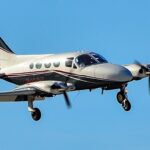
The Cessna 414 has earned a loyal following among pilots who want something powerful, comfortable, and capable without jumping into the world of turboprops. This twin engine piston aircraft sits in a sweet spot where performance, economy, and practicality meet, making it a favorite among private owners, charter operators, and small business flyers. If you have been curious about what makes the 414 such a standout or you are thinking about owning one someday, this guide walks you through everything you need to know.
Many pilots describe the 414 as a true step up from single engine aircraft while still being familiar and manageable. It offers cabin comfort that feels more like a small business aircraft than a typical light twin, and its pressurization system adds a level of ease and flexibility on longer flights. Whether you are attracted to its speed, payload, price range, or reliability, the 414 brings a lot to the table.
In this article, we will explore its technical specs, real world performance numbers, upgrade paths, maintenance considerations, long term ownership insights, and what it is actually like to fly one. By the end, you will have a clear understanding of whether the Cessna 414 is the right fit for your flying needs and budget.
Overview of the Cessna 414
The Cessna 414 was designed to fill an important gap between small piston twins and entry level turboprops. It made its debut in the 1970s as part of Cessna’s line of cabin class twins, giving pilots more space, more capability, and a more professional flight experience. Over the years, it evolved into the improved 414A Chancellor, which features a longer wingspan, different landing gear, and other refinements that boosted its efficiency and handling.
What sets the 414 apart is its pressurized cabin that allows pilots and passengers to fly over weather and turbulence without discomfort. Pressurization was once considered a luxury reserved for expensive business aircraft, but the 414 brought it into a more affordable segment. This feature continues to make the aircraft appealing for business travel, family trips, and regional charter operations.
Another thing that makes the aircraft attractive is its aftermarket support. Owners often upgrade avionics, interior materials, and engines to modern standards, giving the plane a second life. This makes the 414 a compelling choice for pilots who want capability without the enormous price tag of newer aircraft.
Key Highlights of the Cessna 414
- Pressurized cabin for higher and more comfortable cruising altitudes
- Twin turbocharged Continental engines
- Large, spacious cabin for passengers
- Good balance of speed, range, and operating cost
- Broad availability of upgrades and replacement parts
- Strong aftermarket community and owner groups
The Cessna 414 is often viewed as a pilot friendly aircraft with systems that are straightforward and reliable. Although it requires multi engine experience and good engine management skills, most pilots find it predictable and enjoyable to fly. This combination of comfort, capability, and cost makes it a strong competitor in the world of cabin class piston twins.
Cessna 414 Specs and Performance
Pilots shopping for a 414 often want clear numbers so they can compare it with similar aircraft. The specifications can vary slightly depending on year, model updates, and installed upgrades. However, most models fall within the same range of performance, making it easy to get a general picture of what to expect.
The table below summarizes the typical specifications for a Cessna 414 or 414A Chancellor. These numbers are rounded and can vary based on engine mods, weight limits, propellers, paint, and interior configuration.
Cessna 414 General Specifications
| Category | Specification |
| Engines | Twin Continental TSIO 520 series |
| Horsepower | 310 to 325 hp per engine |
| Cruise Speed | 210 to 235 knots depending on model and upgrades |
| Range | 1,400 to 1,600 nautical miles |
| Service Ceiling | 30,000 feet |
| Fuel Capacity | About 200 to 250 gallons depending on tank configuration |
| Rate of Climb | 1,300 feet per minute average |
| Takeoff Distance | Around 2,000 feet to clear a 50 foot obstacle |
| Landing Distance | Around 1,900 feet to clear a 50 foot obstacle |
| Useful Load | Typically 1,600 to 2,000 pounds |
| Seating | Six to eight seats depending on interior layout |
One of the standout abilities of the 414 is its combination of speed and efficiency. While it does not fly as fast as a turboprop, its fuel burn is significantly lower. Many owners report average fuel burn figures between 30 and 38 gallons per hour total, depending on altitude and power settings. This makes it a viable option for longer cross country trips without breaking the bank.
The 414 also performs well in high altitude conditions thanks to its turbocharged engines. Pilots can climb above turbulence or over mountainous terrain with confidence. The pressurization system further enhances the flight experience by reducing fatigue for passengers and crew.
The takeoff and landing distances allow the aircraft to use medium sized runways with ease. It is not a short field performer like some STOL aircraft, but it can comfortably operate in a wide range of general aviation airports. This flexibility is one reason business travelers appreciate the aircraft.
Flight Experience and Handling
Ask pilots why they love the 414 and you will hear consistent answers. Many describe it as smooth, predictable, and responsive without feeling overly sensitive. It has enough weight and size to feel stable in turbulence, but still handles like a light twin from a control standpoint. For pilots upgrading from singles like the Cessna 210 or Beechcraft Bonanza, the transition feels natural.
One thing pilots often note is the forgiving nature of the aircraft during landing. The Chancellor variant with the longer wing feels especially stable on approach, helping pilots maintain a smooth glide path. The trailing link landing gear also absorbs uneven landings more gracefully than other aircraft in its class. This makes the 414 a good option for pilots building multi engine time.
The aircraft’s performance in climb and cruise is another advantage. Turbocharged engines allow it to maintain strong climb capability even at higher altitudes or hotter temperatures. Many pilots appreciate being able to climb to the mid twenties and enjoy cooler, smoother air while cruising comfortably above terrain.
What Pilots Commonly Appreciate About the Flight Experience
- Stable and predictable handling characteristics
- Strong climb performance, especially in the 414A variant
- Comfortable cabin with good legroom and visibility
- Reliable and straightforward systems
- Smooth landing performance with trailing link gear
- Improved safety and flexibility with pressurization
While the 414 is generally forgiving, it still requires good engine management skills, particularly during high workload situations. Pilots must monitor temperatures, fuel flow, and boost pressures carefully. However, once accustomed to the aircraft’s systems, most find it manageable and even enjoyable on longer trips.
If the aircraft is equipped with modern avionics, such as a Garmin G600 or G700 suite, the experience improves even further. Many owners upgrade to autopilot systems, digital engine monitors, and advanced navigation tools that bring the cockpit to near modern standards. This combination of classic capability and modern convenience is a major selling point.
Operating Costs, Maintenance, and Modifications
Understanding the ongoing cost of owning a 414 is important for any potential buyer. While it is more affordable than turboprops, it still comes with twin engine expenses and the added complexity of pressurization. The most common costs include fuel, insurance, hangar fees, routine maintenance, and unscheduled repairs.
Fuel is one of the main operating expenses. A typical 414 burns between 30 and 38 gallons per hour, which is reasonable for a cabin class twin. Owners who fly at higher altitudes and lean properly often see better efficiency. Because the aircraft can cruise at higher altitudes, it can also take advantage of more favorable winds, saving time and fuel over long distances.
Maintenance is a major part of long term ownership. The turbocharged Continental engines require periodic overhauls that can be expensive depending on market conditions. Pressurization systems also need consistent inspections, seals, and valve maintenance. Many owners budget an annual maintenance cost of several tens of thousands of dollars. While this may sound high, it aligns with similar aircraft in its class.
Common Expenses Associated with Cessna 414 Ownership
- Annual inspections and routine maintenance
- Engine overhauls every 1,600 to 2,000 hours
- Propeller overhauls and balancing
- Pressurization system upkeep
- Avionics upgrades and repairs
- Insurance and hangar fees
- Unscheduled repairs due to wear or age
Modifications are a popular part of the 414 ownership experience. Many owners choose to upgrade their engines to RAM Series engines, which provide improved performance, smoother operation, and better longevity. Propeller upgrades can reduce noise and vibration. Avionics upgrades are also common, particularly when converting older analog panels into modern glass cockpit layouts.
Interior refurbishments are another area where owners invest. Because the aircraft has a spacious cabin, new upholstery, side panels, and soundproofing can dramatically improve the feel of the aircraft. From leather seats to executive style layouts, the 414 gives owners flexibility to personalize it to their tastes.
One thing worth mentioning is that parts availability for the 414 remains strong. While some older aircraft can be hard to maintain due to discontinued components, the 414 benefits from a large installed base and a reliable aftermarket ecosystem. This helps keep long term operating costs manageable and gives owners confidence that their aircraft will remain supportable for years.
Is the Cessna 414 Right for You
With so many piston twins and light turboprops on the market, deciding whether the 414 is right for you depends on your flying needs, passenger requirements, and budget. The aircraft offers an excellent mix of comfort, capability, and affordability that appeals to private owners and small businesses. However, it is not the perfect fit for every pilot.
If you regularly fly long distances, carry multiple passengers, or operate in higher altitude environments, the 414 provides strong advantages. Its pressurized cabin turns long flights into more relaxed experiences, allowing passengers to avoid the discomfort of lower altitude turbulence. For business travelers, the ability to travel above weather conditions offers major value.
On the other hand, pilots who only make short flights or who prefer low maintenance costs may find the twin engine complexity unnecessary. A high performance single engine aircraft could be a better match for local flying. The 414 shines most when used as a cross country or business travel machine.
Reasons the Cessna 414 May Be a Good Fit
- You want a pressurized twin that balances speed and economy
- You frequently fly passengers and want a spacious cabin
- You are comfortable with multi engine aircraft and engines with turbocharging
- You appreciate the option to upgrade avionics and interiors
- You want long distance capability without turboprop level costs
Reasons It Might Not Be the Best Fit
- You want very low maintenance and operating costs
- You make short flights or do not need cabin class comfort
- You prefer single engine simplicity
- You have limited multi engine experience or do not want added system complexity
When evaluating the 414, it is helpful to compare it to alternatives like the Cessna 421, Beechcraft Duke, Piper Navajo, or early model turboprops. Each offers different advantages in speed, comfort, and maintenance profile. However, the 414 often stands out for its balanced value and strong overall performance.
Conclusion
The Cessna 414 is a well loved aircraft for many good reasons. It combines comfort, capability, and reliability in a package that remains attractive for private pilots and small businesses alike. Whether you are drawn to its pressurized cabin, long range capability, strong performance numbers, or upgrade potential, the aircraft continues to offer excellent long term value.
While ownership comes with responsibilities and higher maintenance needs compared to smaller aircraft, many owners believe the benefits outweigh the costs. Pilots enjoy its flying characteristics and appreciate the spacious cabin that feels more like a business aircraft than a piston twin.
If you are evaluating the Cessna 414 as your next step in aviation, consider your typical mission profile, your willingness to manage twin engine and pressurization systems, and your long term budget. With careful planning and proper maintenance, the Cessna 414 can be a dependable and rewarding aircraft that delivers years of enjoyable flying.
Image Credit: Wikimedia Commons
Leave a Reply