Cessna 172: 9 Things Every Pilot Should Know
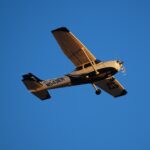
The Cessna 172 is one of those airplanes that quietly earns your respect the moment you sit behind the controls. Whether you are a brand new student pilot or someone who has logged years of experience, this aircraft feels familiar, steady, and almost predictable in the best way possible. Many pilots even say that the Cessna 172 taught them more about flying than any other airplane, because it never rushes you and never complicates the learning curve. It is the kind of aircraft that shows you what real flying feels like without overwhelming you.
For many pilots, the Cessna 172 becomes their first love in aviation. It is the plane they solo in, the aircraft they use to practice cross-country procedures, and the model they trust when learning to navigate unpredictable wind patterns. The beauty of the 172 lies in its simplicity. You can start the engine, taxi out, take off, and quickly feel like the airplane is working with you, not against you. Even during turbulent days, the 172 gives you the sense that you always have a moment to think things through before committing to a maneuver.
This article breaks down nine things every pilot should know about this legendary aircraft. Each section highlights something practical, useful, and often overlooked. The goal is to give you a friendly walk-through of what makes this airplane reliable, enjoyable, and something worth mastering. By the end, you will have a better understanding of why the Cessna 172 remains the most-produced aircraft in aviation history and why pilots keep coming back to it year after year.
The Cessna 172 Has a Reputation for Being Extremely Forgiving
One of the biggest reasons pilots fall in love with the Cessna 172 is its forgiving nature. You can make small mistakes and still recover without drama, which helps build confidence. This is especially helpful for students who are still figuring out how to manage airspeed, altitude, and control coordination. The airplane reacts smoothly to control inputs, and even when you get a little sloppy, it does not punish you instantly.
Another aspect that contributes to its forgiving personality is the high wing design. The high wings provide stability, great downward visibility, and a margin of safety when flying slowly. It also gives the aircraft a natural resistance to stalls when compared to some low-wing aircraft. Many pilots say that the 172 helps them learn good habits because you can feel what the airplane wants from you. It teaches you the relationship between pitch, power, and performance in a very clear way.
There is also a sense of comfort knowing the 172 can handle unintentional bank or pitch changes. If you trim it well and let go for a moment, it tends to settle itself back into stable flight. It is not something you want to rely on all the time, but it is reassuring when you are learning. For new pilots, flying the 172 is like riding a bike with training wheels, except the training wheels are nearly invisible.
List of why the 172 is considered forgiving:
- Stable handling during low-speed operations
- Predictable stall characteristics
- High wing design increases visibility and stability
- Gentle control response helps beginners avoid overcorrection
It Is the Most Produced Aircraft in the World for a Reason
The Cessna 172 holds the title for the most-produced airplane in aviation history. With more than 44,000 units built, this aircraft has been around long enough to shape flight training standards worldwide. When an airplane is produced in such numbers, it means pilots, instructors, and mechanics all understand it extremely well. Parts availability is unmatched, maintenance is simpler, and the aircraft design has gone through countless refinements over the years.
Another reason for its production success is its versatility. Flight schools love the 172 because it fits so many missions. With enough stability for training and enough capability for long cross-country trips, the airplane covers a wide spectrum of flying needs. Recreational pilots, renters, and even small charter operations all find value in having access to a 172. You can use it to practice maneuvers, enjoy sightseeing flights, or transport passengers for short hops.
Beyond its production numbers, the Cessna 172 has a strong reputation for durability. These airplanes can last for decades when properly maintained. You can walk into almost any flight school and find a 172 that has been flying for 40 years and still feels as dependable as when it first rolled out of the factory. The strength of the design is part of what makes pilots view it as a trustworthy long-term investment.
Table: Why the Cessna 172 Became the Most Produced Aircraft
| Factor | Explanation |
| High Reliability | Proven airframe that lasts for decades |
| Versatility | Useful for training, travel, and recreational flying |
| Global Support Network | Parts, mechanics, and documentation widely available |
| Easy Maintenance | Straightforward systems reduce downtime |
| Pilot-Friendly Design | Welcoming for beginners and experienced pilots |
Its Fuel Efficiency Makes Cross-Country Flying Affordable
One of the biggest benefits of flying a Cessna 172 is its fuel efficiency. Many pilots appreciate that they can spend more time in the air without feeling financially overwhelmed. The typical 172 burns around eight to ten gallons of fuel per hour, depending on power settings, altitude, and model. When compared to larger general aviation aircraft, the cost savings are obvious.
Fuel efficiency also gives pilots more flexibility in planning longer cross-country flights. You can travel hundreds of miles without needing multiple fuel stops, which saves time and reduces stress. If you are training for your private or instrument rating, the reduced fuel cost can make a significant difference over months of flying. Students often say the Cessna 172 lets them enjoy long practice flights while keeping their training budget manageable.
Another advantage of fuel efficiency is environmental impact. While general aviation still relies heavily on avgas, the 172’s smaller engine and efficient performance help reduce emissions compared to larger airplanes. Pilots who value eco-conscious flying appreciate that the 172 accomplishes so much with modest fuel requirements. It is one of the reasons this aircraft continues to appeal to the modern aviator who wants performance without excessive consumption.
List of factors that improve the 172’s fuel efficiency:
- Lightweight airframe
- Aerodynamic design
- Efficient four-cylinder engine
- Low drag profile with fixed gear
- Optimal performance at mid-range power settings
The Cessna 172’s Avionics Have Evolved Dramatically Over the Years
Modern Cessna 172s are not the same airplanes that first appeared decades ago. The evolution of avionics has transformed the cockpit experience. Many newer models are equipped with glass cockpit systems like the Garmin G1000. This technology provides pilots with digital displays, flight data, navigation tools, and situational awareness that used to be available only in larger aircraft. Pilots who train in these modern 172s become comfortable with advanced avionics early in their flying journey.
Having a glass cockpit in a training airplane is beneficial for both students and instructors. The ability to visualize flight paths, weather information, and engine performance in real time makes flying safer and more intuitive. Even more experienced pilots appreciate how digital avionics help maintain precision during instrument training. Flying approaches, holds, and procedures becomes much more organized when using integrated systems.
Of course, many older 172s still fly with analog gauges, and they remain reliable and effective. The mix of analog and digital options gives pilots the chance to learn in different types of cockpits. Some instructors say that mastering analog gauges builds foundational skills, while others argue that glass cockpits prepare students for modern flying environments. Either way, the Cessna 172 platform supports both traditions, which is part of its long-term success.
Table: Analog vs. Glass Cockpit Advantages in a Cessna 172
| Feature | Analog Gauges | Glass Cockpit |
| Training Style | Builds strong basic scan skills | Enhances situational awareness |
| Cost | More affordable | Higher initial investment |
| Data Presentation | Simple and direct | Integrated and detailed |
| Ideal For | Beginners learning fundamentals | Students entering modern aviation |
The 172 Is Surprisingly Capable in Different Weather Conditions
The Cessna 172 is not just a fair-weather airplane. Many pilots underestimate how capable it can be when flying in different weather environments. While it is not meant to handle extreme turbulence or high winds, it performs well in moderate and typical flying conditions. Pilots appreciate how predictable the airplane feels during windy takeoffs, gusty crosswinds, and seasonal temperature shifts.
Another advantage is its performance in colder climates. The 172 can operate comfortably in winter environments with proper preheating and winterization procedures. Pilots who fly in regions with snow often rely on the 172 because of its dependable engine performance and straightforward systems. Even during hot summer months, the aircraft handles density altitude challenges with reasonable stability, especially when flown within proper weight limits.
Weather capability does not mean pushing limits, but it does show how practical the 172 can be for real-world flying. Many pilots use the aircraft for regular commuting, sightseeing, or business trips precisely because they trust it in varied conditions. With proper planning, risk management, and good decision making, the 172 becomes a reliable partner even when conditions are not perfect.
List of weather conditions the 172 handles well:
- Cool and cold temperatures
- Moderate turbulence
- Gusty surface winds
- Light rain
- Seasonal humidity changes
It Has a Comfortable and Familiar Cabin Layout
The cabin of a Cessna 172 may not be luxurious, but it feels familiar the moment you settle in. Pilots love how intuitive the seating arrangement, control layout, and visibility feel from the pilot seat. The high wing structure keeps the cabin bright and open, giving you a good view below and around the airplane. It also makes loading and unloading easier because there is plenty of room to move under the wings.
Comfort plays a big role during longer flights. The seats provide adequate support, and the cabin ventilation system works well in most weather conditions. Many pilots say that they only realize how comfortable the 172 is when they fly in other small airplanes. The cabin width, pedal placement, and control spacing all contribute to a relaxed flying experience. For passengers, the 172 offers a sense of space that some similar aircraft lack.
Another factor that contributes to the comfort level is noise control. While no small airplane is truly quiet, the 172 manages engine noise in a way that does not overwhelm the cabin. Headsets help, of course, but even without them, the airplane does not feel overly loud or stressful. This makes it easier to communicate with passengers and enjoy the experience of flight without feeling rushed or fatigued.
List of cabin comfort features:
- High wing design creates open visibility
- Seats provide good support for long flights
- Cabin ventilation improves comfort in warm weather
- Intuitive control placement
- Manageable cabin noise level
Maintenance and Parts Support Are Among the Best in General Aviation
The Cessna 172 benefits from a massive global support network. Pilots rarely struggle to find mechanics who understand the aircraft. Most aviation maintenance technicians have worked on dozens of 172s, which speeds up troubleshooting and repair time. The simplicity of the aircraft also means fewer complicated systems that require specialized service. This reduces long-term maintenance costs, which is valuable for individuals and flight schools alike.
Another reason maintenance is so manageable is the availability of parts. Since the aircraft has been produced in such large numbers for so long, parts are easy to find and usually affordable. Whether you need a replacement for a common wear item or something less typical, you can source it quickly. Many parts manufacturers continue to support the 172 because the demand is steady.
There is also the advantage of extensive documentation. The Cessna 172 has countless manuals, service bulletins, and maintenance guides that help ensure proper care. Owners appreciate the straightforward design that allows mechanics to access most components without unnecessary complications. All of this contributes to the aircraft’s reputation as one of the most dependable airplanes to own.
List of reasons maintenance is easy:
- Abundant parts
- Experienced mechanics worldwide
- Simple systems
- Strong documentation
- Long production history
The Cessna 172 Is Ideal for Learning Instrument Flight
Many pilots earn their instrument rating in a Cessna 172. The aircraft’s stability and predictable handling allow students to focus on scanning instruments, maintaining headings, and following procedures without fighting the airplane. When combined with modern avionics, the 172 becomes an excellent training platform for IFR flights.
Pilots who train in a 172 appreciate how the airplane responds during climbs, descents, and turns in instrument conditions. It does not surprise you with abrupt behavior, which makes it easier to practice precision flying. The automatic stability helps students stay ahead of the airplane when dealing with radio calls, chart reading, and approach briefings.
Another benefit is that the 172 can easily fly standard IFR procedures, including holding patterns and instrument approaches. The aircraft’s modest speed gives students more time to react, identify mistakes, and correct their path. Instructors like using the aircraft because it supports a safe and structured learning environment. By the time students complete their training, they feel confident handling more complex airplanes later on.
List of reasons the 172 is excellent for IFR training:
- Predictable performance
- Steady control feel
- Ideal speed for learning procedures
- Compatible with modern avionics
- Comfortable for long IFR lessons
It Might Not Be Fast, but It Is Extremely Practical
Speed is not the Cessna 172’s strongest feature. Most models cruise between 110 and 125 knots, which is slower than many other general aviation aircraft. However, what the 172 lacks in speed, it makes up for in practicality. Pilots appreciate that they can plan trips with reliable fuel burn, easy handling, and predictable performance.
The airplane’s practicality shows up in many ways. You can operate from shorter runways, fly comfortably at various altitudes, and carry enough baggage for weekend trips. The 172 also has a good balance of useful load and range. While it cannot carry everything at once, it performs well when pilots stay within weight and balance limits. This flexibility makes it a great all purpose aircraft.
Practicality also means the airplane is fun to fly. Many pilots enjoy cruising at lower speeds because it gives them more time to enjoy the scenery and relax. For sightseeing flights, photography missions, or leisure flying, the 172 feels perfect. It may not win any speed races, but it consistently delivers a predictable and enjoyable flying experience.
Table: Speed vs. Practicality in the Cessna 172
| Aspect | Speed | Practicality |
| Cruise Performance | Moderate | Reliable |
| Fuel Burn | Higher at fast speeds | Lower and consistent |
| Runway Needs | Longer for fast aircraft | Short and flexible |
| Best For | Time sensitive trips | Recreational flying |
Conclusion
The Cessna 172 remains the trusted companion of countless pilots for many reasons. It offers dependable performance, beginner friendly handling, affordable operating costs, and enough versatility to make it useful for years of flying. Pilots who train in a 172 often carry the lessons learned into every airplane they fly afterward. This aircraft has shaped aviation training around the world and continues to be the standard by which many others are judged.
As you spend more time with the Cessna 172, you start recognizing how thoughtfully it is built. Every switch, gauge, and control feels like it has a purpose. You get used to the feel of the yoke, the sound of the engine, and the stability of the high wing design. Flying becomes less about managing complexity and more about enjoying the experience.
Whether you are a student pilot or a seasoned aviator, the Cessna 172 has something to teach you. It invites you to slow down, understand the fundamentals, and appreciate the precision of flight. When you learn these nine key things about the aircraft, you gain a deeper appreciation of why it has earned its legendary status. It is not just an airplane. It is a partner in your aviation journey, guiding you through every takeoff, landing, and adventure in between.
Image Credit: Wikimedia Commons
Leave a Reply