Cessna 172 Cost Breakdown: What Pilots Really Pay
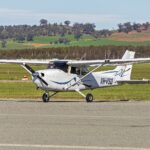
When people talk about affordable and dependable flying, the Cessna 172 usually comes up first. Its reputation is built on simplicity, predictable handling and an operating profile that makes sense for students, hobbyists and time-building pilots. Even though it is not the cheapest aircraft to own, its long track record gives pilots peace of mind because they know exactly what they are getting. Many aviators describe it as the sweet spot between practicality and performance because it is forgiving enough for beginners yet capable enough for long cross-country flights.
The airplane’s reliability also plays a massive role in its popularity. The airframe has been around for decades and mechanics are familiar with every nut and bolt, which keeps troubleshooting more manageable. Parts availability is another reason it stands out, because owners rarely have difficulty sourcing components for routine maintenance. Pilots trust the 172 not because it is flashy but because it is consistent and behaves exactly as expected flight after flight.
Another point that adds to its widespread appeal is its resale value. Pilots like to know that when they eventually upgrade to a faster or more complex aircraft, their initial investment will not evaporate. The Cessna 172 holds value surprisingly well compared to many other general aviation aircraft. Whether buying new or used, owners see it as a stable financial move rather than a risky purchase.
To give you a quick sense of what makes it a favorite, here are some typical reasons pilots choose a Cessna 172:
- Easy to fly and ideal for training
- Strong used market and high resale value
- Accessible parts and experienced mechanics everywhere
- Low insurance complexity compared to high performance aircraft
- Predictable maintenance due to decades of operational history
Purchase Price: New vs Used and What Affects It
Talking about Cessna 172 costs always starts with the purchase price, and the number varies wildly depending on age, avionics, condition and overall market trends. Buying a new Cessna 172 is a major financial commitment and feels similar to buying a high-end house in many parts of the country. A brand-new, factory-fresh model typically sits in the premium range because it includes updated avionics, improved interiors and modern safety features pilots have come to expect.
Used prices, however, cover a much broader spectrum. Some older models sell for a fraction of the price but may require additional funds for upgrades or catch-up maintenance. Others are meticulously restored classics that actually cost more than mid-age models because they have upgraded avionics and freshly overhauled engines. The used market is where most pilots shop because it offers options for almost every budget level.
Several factors influence the selling price, so it helps to know exactly what pushes values up or down. Avionics packages are the biggest driver. Planes equipped with glass cockpits, autopilot systems and ADS-B solutions naturally cost more because pilots want turnkey readiness. Engine time is another major factor. A low time engine signals fewer immediate expenses, while an engine nearing overhaul usually means a discounted price to compensate for upcoming work.
Here is a table to help visualize how different variables influence the purchase price of a Cessna 172:
| Factor | How It Affects Price |
| Year and model variant | Newer models cost significantly more |
| Avionics package | Glass cockpit or upgraded avionics increase price |
| Engine time since overhaul | Low time pushes value up |
| Interior and paint condition | Refreshed aesthetics raise desirability |
| Logbook completeness | Complete logs maintain higher resale value |
| Maintenance history | Well maintained aircraft sell for more |
| Modifications and STCs | Useful upgrades add value, unnecessary mods may not |
Pilots often discover that the initial purchase price is only part of the journey. A cheaper aircraft can actually cost more later if it needs immediate avionics updates or mechanical work. Paying a bit more for a well kept model often saves money in the long run.
Operating Costs You Can Expect Every Year
Owning a Cessna 172 goes far beyond buying the airplane. The real financial commitment lies in the annual operating costs, which stack up steadily regardless of how often you fly. One of the largest pieces of the puzzle is fuel. The 172 typically burns a moderate amount per hour, which makes it reasonable for long cross country trips and casual weekend flights. Pilots who plan to fly several times per week will see fuel become one of their most noticeable expenses.
Maintenance is another major area of cost. Even though the 172 is known for reliability, it still requires regular inspections, preventive upkeep and occasional part replacements. You can expect routine items like oil changes, spark plugs and minor wear components to appear throughout the year. The required annual inspection ensures safety and airworthiness, but it can sometimes reveal unexpected issues that add to the bill. Owning an aircraft means being prepared for those surprise fixes.
Insurance is also part of the annual budget. Premiums depend on pilot experience, claim history, aircraft value and geographic region. Newer pilots typically pay more because insurers factor in risk, while pilots with hundreds of hours in type often benefit from lower rates. The good news is the Cessna 172 sits in a relatively low risk category, which keeps insurance more accessible compared to complex or high performance airplanes.
To break down these recurring expenses, here is a list of typical annual operating costs pilots usually plan for:
- Fuel and oil
- Hangar or tie-down fees
- Annual inspection
- Routine maintenance and unexpected repairs
- Insurance premiums
- Chart subscriptions or digital navigation tools
- Avionics database updates
- Landing or parking fees at certain airports
Some pilots reduce expenses by joining aircraft partnerships or flying clubs. These arrangements help spread costs across multiple owners while still giving each person regular access to the airplane. Others prefer full ownership because it provides maximum flexibility and allows them to customize the aircraft to their needs.
Long Term Maintenance and Engine Overhaul Planning
When pilots talk about the long term cost of owning a Cessna 172, the conversation almost always lands on maintenance cycles and the engine overhaul timeline. Every engine has a recommended time between overhauls, which represents the manufacturer’s guidance on how long the engine should operate before needing a full teardown and rebuild. Planning for this major event is essential because it is one of the biggest single expenses an owner will face.
Overhauls can vary in cost based on where the work is done, what parts are replaced and the condition of the engine at the time of teardown. Some owners choose a factory rebuilt engine for convenience and reliability, while others prefer field overhauls done by trusted local shops. The difference can influence total cost but both options extend the aircraft’s lifespan and help maintain resale value.
Beyond the engine, the airframe also needs continued attention over the years. Items like control cables, landing gear components and fuel system parts eventually require replacement. Avionics also age, which means some instruments or screens may need service or complete upgrading as technology evolves. Staying on top of these items not only keeps the aircraft safe but also prevents larger, costlier issues down the road.
Below is a table summarizing long term maintenance considerations for Cessna 172 ownership:
| Long Term Item | Notes on Cost Impact |
| Engine overhaul | Major expense, varies by shop and parts used |
| Propeller overhaul | Required periodically depending on prop type |
| Landing gear components | Wear items that fail with age or heavy use |
| Corrosion control | Essential for older airframes and coastal locations |
| Avionics updates | Modern systems greatly improve safety and value |
| Control cables and pulleys | Age dependent replacements over time |
| Exhaust system | Inspect for cracks and heat damage regularly |
Thinking ahead helps owners avoid major surprises. Budgeting gradually for the engine overhaul, for example, gives pilots peace of mind because they know the expense will not suddenly disrupt their flying plans. Some owners set aside a specific amount per flight hour that goes directly into a maintenance reserve, which helps cover long term items once they come due.
Is Owning a Cessna 172 Worth the Cost for Most Pilots
Deciding whether a Cessna 172 is worth the cost depends on how you plan to use the airplane. Many pilots see ownership as the ultimate way to enjoy aviation because it gives them full control over schedules, destinations and aircraft readiness. Renting works well for occasional fliers, but rental availability and scheduling conflicts often push frequent pilots toward ownership. Being able to walk into a hangar and fly whenever you want is a level of freedom renters rarely experience.
Another part of the equation is the emotional connection. Pilots often describe owning a 172 as having a reliable travel companion that is always ready for adventure. The ability to customize the avionics, interior and accessories creates a sense of pride and personalization that renting cannot match. Ownership also allows pilots to take long trips without worrying about rental restrictions or hourly limits.
From a financial perspective, the 172 is one of the more manageable aircraft to own long term. Although costs can add up, its predictable maintenance needs and strong resale value help soften the financial impact. Many owners find that the value they get from convenience, flexibility and flight experience far outweighs the ongoing expenses. For pilots who fly regularly, the investment often makes sense.
To wrap everything together, here is a simple list that helps summarize who benefits most from owning a Cessna 172:
- Pilots flying more than 100 hours per year
- Owners who value convenience and personal scheduling
- Pilots who want a stable long term investment in aviation
- Flyers who enjoy cross country travel and weekend trips
Students working toward advanced ratings and time building
What Does It Cost to Become a Cessna 172 Pilot?
For many pilots, the Cessna 172 isn’t just an aircraft — it’s the airplane they learn to fly in.
So when you look at hourly rental rates, the real question becomes:
How much does it actually cost to become a pilot flying a Cessna 172?
Here’s a realistic Cessna 172 flight training cost breakdown based on national averages.
Private Pilot License Cost in a Cessna 172
- Aircraft rental (C172): $150–$180 per hour
- Flight instructor: $60–$90 per hour
- Realistic flight time: 55–70 hours
- Ground school & study materials
- Checkride & examiner fee
- Total realistic cost to become a pilot:
$12,000 – $18,000
This number varies by location, but one factor impacts it more than anything else:
How prepared you are for each lesson.
Why Some Students Spend Thousands More Than Necessary
The biggest hidden expense in flight training isn’t extra flight time —
it’s repeating lessons because the ground knowledge isn’t solid.
Every time a student shows up unprepared, they:
- Re-fly the same maneuvers
- Use more instructor time
- Delay solo and checkride readiness
That’s where training costs quietly skyrocket.
Students who study efficiently on the ground:
✅ Finish faster
✅ Need fewer flight hours
✅ Spend less overall
How to Reduce Your Cessna 172 Training Cost
If your goal is to fly a Cessna 172 confidently without wasting time or money, having a clear and structured ground-school foundation makes a massive difference.
Many student pilots use structured training programs that explain:
- Aerodynamics in plain English
- FARs without memorization
- Checkride topics step-by-step
so they can show up to each lesson ready to fly — not to learn basic theory in the airplane at $170/hour.
Start Your Pilot Training the Smart Way
If you want to reduce your total training cost and progress faster, using a proven ground-school system before and during your flight lessons can make all the difference.
Finish your training faster and stop wasting money on repeated lessons.
Owning a Cessna 172 is not inexpensive, but it offers a compelling blend of reliability, practicality and enjoyment. For many aviators, the costs are justified by the independence and adventure that come with having an airplane ready to go whenever the sky calls.
Image Credit: Wikimedia Common
Disclosure: This article contains affiliate links. If you purchase through them, we may earn a commission at no extra cost to you.
One Response to Cessna 172 Cost Breakdown: What Pilots Really Pay