Cessna 172 Skyhawk Ownership & Operating Costs: Full Guide
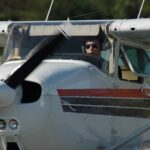
If you have ever dreamed of owning a Cessna 172 Skyhawk, you are in good company. This aircraft has been the go to choice for student pilots, weekend flyers, flight schools, and even some small business owners who need a dependable personal airplane. The Skyhawk has a charm that sticks with you, from the way it handles to the way it feels in the air. It is simple, reliable, forgiving, and surprisingly capable for its size. But as much as it is loved, one big question always comes up when someone seriously considers buying one: how much does it actually cost to own and operate?
The truth is that airplane ownership is more than just the purchase price. The real cost unfolds over time. You pay to store it, maintain it, insure it, fuel it, upgrade it, and keep it airworthy. For many first time buyers, the ongoing costs can be a little overwhelming until everything is laid out clearly. That is exactly what this guide is for. We will walk through every expense you can expect with a Cessna 172 Skyhawk, from the initial investment to the yearly bills and the cost per hour once you start flying regularly.
By the end of this full guide, you will know what numbers to expect, what variables influence those numbers, and whether Skyhawk ownership fits your long term flying goals. If you want a realistic, conversational breakdown rather than scattered bits of information, this is the place to start.
Purchase Price and Market Factors
Buying a Cessna 172 Skyhawk is different from buying a car because the price varies tremendously based on age, engine time, avionics, maintenance records, and upgrades. You can find older 172s that still fly beautifully, and you can find newer models with glass cockpits that cost as much as a luxury home. So before you fall in love with a specific airplane, it helps to understand the typical price ranges and the factors that influence them.
Most pilots start by looking at older models because they are the most budget friendly. A Cessna 172 built between the 1960s and 1980s usually sits in the lower price range. Even though these airframes are old, they are extremely durable and many have been maintained with great care. On the other hand, the more modern 172S models with Garmin G1000 avionics usually come with higher price tags. These later models appeal to buyers who want a more advanced flying experience and lower long term maintenance risk.
Below is a simple table showing typical market ranges. The numbers can move around depending on condition, location, and demand, but this gives a good working estimate.
Cessna 172 Skyhawk Purchase Price by Model Type
| Model or Year Range | Typical Price | Avionics Type | Engine Type | Ideal Buyer Profile |
| 1960s to early 1970s | 70,000 to 120,000 USD | Analog gauges | Older Lycoming O-320 | Budget buyers, restorers, light recreational flyers |
| Late 1970s to 1980s | 120,000 to 160,000 USD | Analog gauges | Lycoming O-320 or O-360 | Cost conscious buyers wanting reliable performance |
| 1990s models | 160,000 to 220,000 USD | Mostly analog with limited upgrades | Lycoming O-320 or O-360 | Pilots wanting modernized classics with lower airframe age |
| Cessna 172R | 180,000 to 260,000 USD | Analog or partial upgrade | Lycoming IO-360-L2A | Flight school owners, pilots seeking fuel injected engine |
| Cessna 172S (analog panel) | 230,000 to 330,000 USD | Analog gauges with upgraded radios possible | Lycoming IO-360-L2A | Private owners wanting newer airframes without glass cockpit prices |
| Cessna 172S with G1000 | 250,000 to 450,000 USD | Garmin G1000 glass cockpit | Lycoming IO-360-L2A | IFR pilots, modern avionics users, training centers |
| Brand new Skyhawk | 430,000 to 550,000 USD | Latest Garmin G1000 NXi | Lycoming IO-360-L2A | Buyers wanting zero time aircraft and latest technology |
Several factors can significantly affect pricing. For example, an aircraft with a freshly overhauled engine is worth notably more than one that is close to needing its overhaul. An airplane with modern avionics upgrades usually commands a premium because buyers appreciate the safety and ease of use that comes with newer technology. Even the state of the interior, paint quality, and completeness of logs can influence the final price. Many buyers overlook logs until the last minute, but missing documentation can drastically reduce the value of the aircraft.
The market itself also changes. During times of high demand, prices climb quickly, and clean examples sell fast. During slower market periods, you may find great deals if you are patient. Geography matters too. Airplanes based in dry climates like Arizona or Nevada typically show less corrosion, which makes them more appealing and often more expensive. Conversely, aircraft stored outdoors near coastal areas may have corrosion issues that reduce their value unless maintenance has been exceptional.
The bottom line is that you should approach the purchase decision with flexibility. If you focus only on one year or model, you might limit your options unnecessarily. Instead, concentrate on the aircraft’s condition, logs, avionics, and engine status. These will determine whether the price is justified and whether the aircraft is likely to stay affordable for many years after you buy it.
Operating Costs You Should Expect
Once you buy a Cessna 172, the actual cost of ownership begins. The recurring costs add up slowly but consistently, and understanding them helps you budget realistically. Some expenses are fixed, meaning they occur regardless of how much you fly. Others are variable and depend directly on your total flight hours.
Many new aircraft owners are surprised at how predictable airplane costs actually are once they break everything down. The most important part is keeping up with maintenance because a neglected airplane becomes expensive quickly. But a well maintained Skyhawk tends to be friendly on the wallet compared to many other planes in the same category.
Here are the most common operating expenses you should expect each year.
- Fuel
- Oil and routine servicing
- Annual inspection
- Unexpected repairs
- Insurance
- Hangar or tie down fees
- Avionics database subscriptions if applicable
- Engine reserve funds
- Miscellaneous upgrades or replacements
Fuel is usually the largest variable cost. The typical Cessna 172 burns around eight to ten gallons of fuel per hour depending on power settings and the specific model. Fuel prices vary by airport and region, but you can estimate the cost by multiplying your average gallons per hour by the current local price per gallon. Oil changes and small routine servicing costs are minor compared to other expenses, but they still occur regularly.
Insurance is another important operator cost. Unlike car insurance, aircraft insurance does not just cover damage. It also covers liability risks, passenger injuries, and various in flight situations that come with aviation. The cost depends on your flight experience, accident history, location, and the value of the airplane. Lower time pilots generally pay more because insurers view them as higher risk.
Storing your aircraft is an unavoidable recurring cost. Some pilots choose a hangar for maximum protection, while others pick a tie down to save money. Hangars are more expensive but help protect the aircraft from sun, wind, rain, and hail. In many regions, the difference in long term maintenance between a hangared airplane and one that stays outdoors is significant.
Repair costs can come as surprises, but even well maintained aircraft require occasional attention. The key is to budget a maintenance reserve and avoid being caught off guard by a sudden avionics issue, tire replacement, or component failure. If you plan ahead, these expenses feel manageable rather than stressful.
Finally, the cost of keeping avionics databases updated applies mostly to aircraft with modern glass panels or GPS systems. Older analog equipped 172s have no such subscription costs, which is one reason they remain popular among budget focused pilots.
How Much Does It Cost Per Year to Own a Cessna 172
People love to talk about hourly flying costs, but when you own the plane, the real question is how much everything adds up to each year. Annual costs depend on flying habits. Someone who flies one hundred hours yearly will have different expense patterns from someone who flies thirty hours. The more you fly, the more fuel and maintenance you use, but the fixed costs remain the same regardless.
Most owners find that the annual cost falls into a predictable pattern. You can plan for fixed costs like insurance and storage while adding variable costs based on flight hours. To help you visualize it, here is a typical breakdown using realistic numbers commonly reported by 172 owners.
Annual Ownership Cost Table for a Cessna 172 Skyhawk
| Expense Category | Typical Yearly Cost | Notes |
| Fuel (based on 100 hours) | 5,500 to 7,000 USD | Assumes 8 to 10 gallons per hour and regional fuel pricing |
| Oil changes and routine service | 300 to 600 USD | Regular servicing every 25 to 50 hours |
| Annual inspection | 1,500 to 3,000 USD | Varies based on findings and shop labor rates |
| Insurance | 1,200 to 2,500 USD | Depends on pilot time and aircraft value |
| Hangar or tie down | 1,200 to 5,000 USD | Hangars cost more but reduce weather wear |
| Unexpected repairs | 1,000 to 3,500 USD | Covers parts replacements and minor issues |
| Avionics database subscriptions | 0 to 1,000 USD | Applies mainly to GPS or glass cockpit systems |
| Engine overhaul reserve | 1,500 to 3,000 USD | Based on overhaul cost spread across 2,000 hours |
If you total these numbers, most owners spend between 12,000 and 22,000 USD per year to operate a Skyhawk. That might sound high at first glance, but compared to many other aircraft, the Cessna 172 is remarkably affordable. Its parts are widely available, mechanics know it well, and it does not eat fuel the way larger aircraft do. That is why flight schools rely heavily on them.
The engine overhaul reserve is one category that deserves extra attention. The Lycoming engine on the 172 generally needs an overhaul every 2,000 flight hours. If you set aside money for the overhaul each year, then by the time the engine reaches its limit, you will have enough saved to cover the expense. This prevents financial shock later. Many new owners skip this step and regret it when the overhaul becomes unavoidable.
Insurance costs vary more than any other category. A new pilot with less than one hundred hours may pay close to the upper end of the estimates, while an experienced instrument rated pilot with a clean history may enjoy lower premiums. It is worth requesting quotes from several providers because rates fluctuate based on market conditions and risk evaluations.
Repairs and unexpected expenses can be hard to predict, but setting aside a maintenance reserve each year helps soften the impact. Something as small as replacing an alternator or fixing a fuel leak can add hundreds or even thousands to the yearly cost. Even so, when compared with more complex aircraft, the Cessna 172 remains inexpensive to maintain.
The yearly cost also depends on how proactive you are with preventative maintenance. Owners who give their aircraft regular attention usually enjoy fewer unpleasant surprises. Those who delay repairs often face higher expenses later. The Skyhawk rewards consistent care and tends to remain reliable for many years.
Cost Per Hour: Real Numbers That Skyhawk Owners Pay
Hourly cost calculations help you understand what each flight truly costs once you combine fuel, maintenance, reserves, and yearly fixed expenses. Many pilots underestimate this number before buying an airplane, but once you break it down, it becomes clear why flight schools charge what they do for rentals. Owning an airplane does not eliminate expenses. It simply means you control how and when they occur.
The first part of the hourly cost is fuel. If you burn nine gallons per hour and fuel costs six dollars per gallon, that alone is fifty four dollars per hour. Then add oil, which though inexpensive, averages a few dollars per hour. More importantly, add engine overhaul reserves. The overhaul can cost between twenty five thousand and forty thousand dollars depending on labor rates and where it is performed. Breaking that down over two thousand hours puts you at twelve to twenty dollars per hour.
Annual fixed costs must also be divided by your flight hours. For example, if you spend fifteen thousand dollars per year on fixed and variable costs combined and fly one hundred hours, your real hourly cost is one hundred fifty dollars an hour. If you fly fifty hours, that number doubles because fixed costs stay the same. If you fly two hundred hours, the cost per hour drops significantly because fuel and maintenance scale while fixed costs spread out.
Here is a simple list to help visualize how hourly cost forms.
- Fuel burn multiplied by price per gallon
- Oil burn divided by cost
- Engine overhaul fund per hour
- Parts and repair reserve per hour
- Annual fixed costs divided by total flight hours
- Avionics subscriptions divided by hours if applicable
Most owners pay somewhere between one hundred and one hundred eighty dollars per hour when all expenses are included. Flying more reduces the number, while flying less raises it. This is often the biggest shock for new owners who expected a cheaper number. But when compared to rental prices, ownership often provides better value because you get more flying time, better scheduling freedom, and the satisfaction of knowing your aircraft inside and out.
Your geographic location can also change the hourly number. Fuel in some regions costs far more. Labor rates for mechanics vary widely. Even hangar costs can shift from a few hundred per month to several thousand depending on the airport. That is why your personal situation matters when calculating realistic numbers.
Overall, the cost per hour is manageable once you build it into your aviation budget. You will fly more efficiently, plan your flights better, and enjoy the freedom of owning one of the most beloved general aviation aircraft in the world. The Cessna 172 is known for being predictable and reliable, and its hourly costs reflect that steady nature.
Is Owning a Cessna 172 Worth the Cost
With all these numbers laid out, the final question is whether owning a Cessna 172 is worth it. The answer largely depends on your flying goals. If you enjoy taking weekend trips, staying current, improving your skills, or sharing aviation with family and friends, then the Skyhawk is a great choice. It is one of the easiest aircraft to own because of its forgiving flight characteristics, low parts cost, and massive support network of mechanics and parts suppliers.
Many pilots describe owning a 172 as one of the best investments in their aviation journey, not because it makes financial profit, but because it adds meaning to their flying life. It gives you the ability to take off when the weather is perfect, avoid rental restrictions, and equip your plane in ways rental fleets often prohibit. You decide how clean it stays, how well it is maintained, and how it is flown. That sense of ownership builds confidence and pride.
Of course, there are reasons some pilots choose not to buy. If you fly fewer than thirty hours per year, renting might make more sense. Fixed costs will feel heavy if the airplane sits unused. Others prefer more speed or larger passenger capacity. And some simply want to avoid maintenance responsibility.
But if your heart is set on having your own airplane, the Cessna 172 Skyhawk offers a balance that is hard to find anywhere else. It is economical without feeling limited, and it is capable without being intimidating. Whether you want cross country trips, scenic local flights, or a reliable training platform, it meets all these needs comfortably.
The real value of ownership often becomes clear during quiet moments in the cockpit. When you push the throttle forward and feel the aircraft lift into the sky, the cost feels justified. When you take friends for their first flight and see their reactions, the expenses fade. And when you take a long weekend trip without worrying about rental schedules, ownership becomes more than a financial calculation. It becomes part of your lifestyle.
If you handle the budgeting responsibly, keep up with maintenance, and fly regularly, owning a Cessna 172 Skyhawk can be one of the most rewarding experiences in aviation. It offers freedom, flexibility, and a connection to flight that rental flying rarely matches. For many pilots, that makes every dollar worth it.
Image Credit: Wikimedia Commons
Leave a Reply