Cirrus SF50: The Next Evolution of Personal Jet Travel
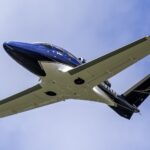
The Cirrus SF50, widely known as the Vision Jet, has changed the way many people think about personal aviation. It is designed for pilots and travelers who want the flexibility of private air travel without the complexity and cost of operating larger jets. Instead of being treated as a scaled down version of a business jet, the SF50 stands on its own by blending simplicity, comfort, and modern technology. It feels approachable, which is why it appeals to both seasoned pilots and individuals transitioning from high performance piston aircraft.
What makes the Cirrus SF50 different is how it balances performance with ease of use. Many personal jets require a large crew or intensive systems training, but the SF50 focuses on intuitive flying. The cockpit layout, the avionics, and the automation work together to reduce workload. This allows pilots to maintain confidence, especially during high stress phases like takeoff and landing. With a single engine mounted above the fuselage, the aircraft offers a streamlined experience that delivers reliability without overcomplicating operations.
Another point that elevates the SF50 is its comfort. The cabin is designed around the idea that every passenger should enjoy the flight, not just endure it. It feels more like stepping into a modern SUV than entering a traditional jet. There is plenty of natural light, headroom, and seating flexibility. For families or small business groups, this setup makes regional travel feel relaxed and efficient. When combined with respectable speed and range capabilities, the SF50 reinforces the idea that personal jets should be easy to operate and enjoyable to ride in.
Key Features That Make the Cirrus SF50 Unique
The Cirrus SF50 packs a range of features that create its identity and purpose. These features are meant to support safety, comfort, affordability, and accessible jet operations. Below are some of the most notable characteristics that pilots and passengers often appreciate.
List of standout features:
- CAPS Whole Aircraft Parachute System
- Garmin Perspective Touch+ avionics
- Single turbofan engine design
- Spacious cabin with flexible seating
- Advanced autopilot and automation support
- Efficient fuel consumption for its class
- Simple single pilot operations
- Modern safety alerts and monitoring systems
The CAPS parachute system is one of the biggest talking points of the SF50. Cirrus is known for including this technology in its smaller piston aircraft, and extending it to a personal jet reinforces their long term dedication to safety. While nobody wants to encounter an emergency situation, knowing there is a last resort option brings peace of mind. Safety is a major selling point, especially for families or business executives who want additional layers of security.
Another defining feature is its avionics suite. Garmin Perspective Touch+ provides a clear and intuitive interface, making it easy for pilots to manage navigation, communication, and aircraft systems. The touchscreen capability, custom layout, and built in safety enhancements help pilots maintain situational awareness. This technology reduces complexity, which has always been one of Cirrus’ core design philosophies.
The cabin layout is equally impressive. The aircraft seats up to seven people, depending on configuration, and it uses a contemporary interior style. Travelers enjoy large windows and thoughtful design touches that make the space feel open. The cabin also includes climate control systems that work evenly throughout the aircraft, ensuring comfort during both short hops and longer regional flights. These features combine to demonstrate why many consider the SF50 to be the most approachable jet on the market.
Performance and Real World Capabilities
When discussing the performance of the Cirrus SF50, the conversation always returns to its practicality. It is not designed to compete with large corporate jets, but instead to fill a unique gap in the market. For pilots transitioning from high performance piston or turboprop aircraft, the SF50 serves as a natural progression. It offers greater speed, more altitude capability, and jet level comfort without overwhelming operational demands.
The SF50 typically cruises at around 300 knots, which allows for efficient regional travel. While it may not match the speeds of multi engine jets, its performance is more than enough for flights that average between 500 and 1,200 miles. The aircraft also handles shorter runways well, making it ideal for airports closer to destinations. This convenience saves time and offers access to locations where larger jets might struggle.
Fuel efficiency is another strong point. The single engine setup burns significantly less fuel than traditional private jets. This lowers operational costs and makes the aircraft appealing for owners who fly frequently. Maintenance requirements are also relatively manageable. Instead of needing a full crew of technicians, the simple systems design helps reduce expenses and downtime.
Below is a simple comparison table that highlights how the Cirrus SF50 stacks up against similar categories of personal aircraft.
| Feature | Cirrus SF50 | Typical Light Jet | High Performance Piston |
| Cruise Speed | ~300 knots | 350 to 450 knots | 160 to 220 knots |
| Range | ~1200 miles | 1500 to 2000 miles | 800 to 1000 miles |
| Fuel Burn | Lower | Higher | Moderate |
| Pilot Requirement | Single pilot | Often 2 pilots | Single pilot |
| Cabin Capacity | Up to 7 | 6 to 8 | 4 to 6 |
This table shows how the SF50 positions itself between piston aircraft and more advanced business jets. It gives pilots a taste of jet performance while keeping operations manageable. Many owners choose the SF50 because it fits their travel patterns better than faster, more expensive alternatives. Whether it is a short business trip, a weekend getaway, or regular regional flights, the SF50 gives travelers an accessible way to enjoy personal jet travel.
Ownership Experience and Practical Benefits
Owning a Cirrus SF50 comes with a blend of convenience, cost effectiveness, and pride of ownership. It is a jet that does not intimidate the average pilot. Instead, it encourages more people to consider the possibility of personal jet travel. For many owners, the value extends far beyond performance numbers. It lies in the freedom to travel according to personal schedules and preferences.
One of the biggest advantages of SF50 ownership is reduced operating cost. The single engine design, efficient fuel burn, and streamlined maintenance schedule help owners stay within a manageable budget. Many individuals who might have previously relied on fractional ownership or charter services now see direct ownership as a feasible option. The aircraft allows pilots to be their own transportation solution without dealing with the complexities of multi engine jets.
Training programs also play an important role in the ownership experience. Cirrus offers structured training designed to help new jet pilots become comfortable with the aircraft. The transition is smoother thanks to the automation, avionics, and intuitive systems. Pilots often mention that the aircraft feels familiar if they have flown previous Cirrus models. This familiarity reduces stress and builds confidence, which is crucial when moving from piston aircraft to a jet.
The practical side of ownership includes details like insurance, hangar space, and maintenance scheduling. The SF50’s compact size makes it easier to store and operate in smaller airports. Owners appreciate this advantage because it provides quick access and flexibility. Being able to keep the aircraft close adds to the convenience and contributes to its appeal. Many buyers also value the resale strength of Cirrus aircraft. The brand has a strong following, and the Vision Jet maintains a reputation that supports long term ownership value.
Here is a list of benefits that many owners highlight when describing their experience:
- Lower operating cost compared to typical business jets
- Compact size suitable for smaller airports
- Intuitive systems that make flying less stressful
- Strong resale value
- Streamlined training and transition programs
- Comfortable cabin experience for families
- Advanced safety features that increase confidence
These points show why the SF50 appeals to such a broad range of pilots. It brings together accessibility, comfort, and practical ownership features that align with the needs of modern travelers.
How the Cirrus SF50 Shapes the Future of Personal Jet Travel
The introduction of the Cirrus SF50 marked a major shift in the industry and helped redefine expectations for personal aviation. Instead of requiring complex multi engine platforms, pilots can now enjoy jet performance in a simplified format. This transformation opens more doors for pilots who want to advance their skills and enjoy the benefits of jet ownership without stepping into traditional business jet territory.
One reason the SF50 is shaping the future is that it simplifies jet operations enough for everyday use. Many owners describe it as an aircraft they can comfortably fly multiple times per week. This regular usage pattern is uncommon with larger corporate jets, which often require more crew coordination, planning, and maintenance. By making jet flying feel more like driving a luxury vehicle, Cirrus demonstrates that personal aviation can be a practical part of daily life.
The safety features also contribute to its long term impact. Including a whole aircraft parachute in a jet category was a bold move. It challenges the industry to reimagine what safety looks like in modern aircraft. Manufacturers now see that buyers value reassurance, especially those who travel with family or children. As this mindset grows, more aircraft designers may integrate new layers of protection into their future models.
Advancements in avionics further influence the direction of personal aviation. The touchscreen systems, automation features, and streamlined displays showcase a shift toward smarter cockpits. These systems help reduce pilot workload and support safer decision making. As technology continues to progress, personal jets will likely adopt more automation features that make flying easier without sacrificing control.
Below is a table summarizing the areas where the SF50 has influenced changes in personal aviation.
| Impact Area | How the SF50 Contributes |
| Safety Evolution | Introduced a jet level parachute system |
| Accessibility | Makes jet ownership feasible for more pilots |
| Technology | Highlights the role of touchscreen avionics |
| Cost Efficiency | Reduces fuel and maintenance demands |
| Market Influence | Inspires growth in the personal jet segment |
These influences are already visible today, as more pilots explore the idea of single pilot jets. The SF50 set a strong example by showing that a personal jet does not need to be overwhelming or financially out of reach. It can be practical, enjoyable, and safe while still delivering the excitement of jet performance.
The Cirrus SF50 represents a major evolution in personal air travel. It blends advanced engineering with user friendly design, making jet travel more accessible than ever before. For many, it bridges the gap between piston aircraft and traditional business jets. Its combination of safety, comfort, affordability, and modern technology continues to attract interest from pilots around the world. As aviation moves forward, the SF50 is likely to remain a key reference point for what a personal jet can and should be.
Image Credit: Wikimedia Commons
Leave a Reply