Cirrus Vision Jet Range: How Far It Really Flies
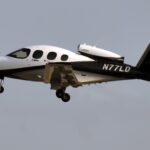
When pilots talk about range, they are often referring to the perfect laboratory scenario that rarely matches what happens in the sky. The Cirrus Vision Jet is no different. It has a published maximum range, but the actual distance it covers depends on a mix of variables that every pilot faces once the wheels leave the ground. If you have ever compared the brochure numbers of any aircraft with what owners actually report, you know that the real story comes from real flight conditions.
The Vision Jet is known for its efficiency and ease of use, especially for pilots transitioning from high performance piston aircraft. Its advertised range gives new flyers a sense of confidence, but understanding how far it really travels requires a closer look at performance, weather, weight, and cruising choices. Many new owners expect the aircraft to behave like a long distance business jet, but the Vision Jet belongs in the personal jet category. That means the numbers are respectable, but not unlimited.
Talking to pilots who fly the Vision Jet often reveals a consistent theme. They love the aircraft, but they also acknowledge that the range varies depending on how they fly it. Looking at the details helps you manage expectations and plan flights more accurately. And if you want to understand the real experience beyond the marketing line, the following sections give you a clearer picture of what the Vision Jet can actually do.
Published Range Numbers vs Real World Range
The Vision Jet has a published range that looks impressive at first glance, but many pilots quickly discover that actual flights tell a slightly different story. The official range assumes ideal conditions, while the real world introduces factors that change the outcome. Breaking down each scenario makes it easier to understand what to expect before planning a long trip.
Here is a simple comparison table showing the approximate difference between published performance and real life flying based on owner reports and typical conditions:
| Category | Published Figure | Real World Expectation |
| Maximum Range | About 1,200 nautical miles | 600 to 900 nautical miles depending on weather |
| Best Cruise Altitude | FL310 | FL280 to FL300 based on conditions |
| Fuel Capacity | 296 gallons | Effective usable range varies with payload |
| Average Cruise Speed | 300 knots true airspeed | 280 to 305 knots depending on winds |
| Payload with Full Fuel | Limited for four adults | Often requires fuel trade offs |
When discussing range, the biggest difference comes from the concept of practical versus theoretical numbers. The 1,200 nautical mile figure assumes no headwinds, optimal cruise altitude, minimal payload, and a flight plan that requires no diversions. This almost never happens in normal flying. Most owners say their comfortable planning figure falls between 700 and 900 nautical miles, which supports both safety margins and passenger comfort.
Another important consideration is the relationship between altitude and fuel burn. The Vision Jet performs best at higher altitudes, but reaching those heights takes time and fuel. Climbing into the low flight levels is worth it for long legs, but shorter trips might not benefit as much. These small performance realities matter when you start calculating how far you can actually go on any given day.
If you compare the Vision Jet with other small jets, you quickly notice that it was designed for short to mid length regional missions rather than cross country endurance. This is not a drawback but a characteristic. Knowing the realistic range lets you protect your schedule, avoid unnecessary stress, and get the most out of every flight.
Factors That Affect How Far the Vision Jet Flies
The Vision Jet is efficient, but various factors influence its range. Each element plays a role in how far the aircraft can safely and comfortably travel. Understanding these influences helps you set accurate expectations and plan your flights with confidence. The more familiar you are with these variables, the better your decision making becomes when selecting altitudes, fuel loads, and cruising speeds.
Here are the main factors that impact real distance:
- Weather Conditions: Headwinds are the most common range killer for the Vision Jet. A strong headwind can easily reduce effective range by more than a hundred nautical miles. Tailwinds help, but they cannot be relied on consistently. Temperature also plays a role because hotter conditions reduce climb performance and overall efficiency.
- Payload and Passenger Weight: Full fuel rarely pairs well with a full cabin. Carrying additional passengers or heavy luggage means you may need to reduce fuel. This directly reduces the range available for the trip. Pilots often face the choice between taking an extra person or adding more fuel for a longer leg.
- Cruise Speed and Altitude: Flying faster burns more fuel. The Vision Jet offers flexibility in cruise settings, but higher speeds shorten the maximum distance you can travel. Altitude matters as well. Higher altitudes offer better fuel economy, but reaching them requires extra fuel during the climb.
- Temperature at Altitude: Colder temperatures help the engine perform more efficiently. Warmer air creates density challenges that lower performance. This matters most during summer flights when the aircraft may struggle to reach ideal cruising levels.
- Route Adjustments and ATC Restrictions: Air Traffic Control may issue reroutes, altitude changes, or speed adjustments that impact fuel burn. Any unexpected deviation from the planned route can reduce range. Pilots usually add extra fuel reserves to accommodate such uncertainties.
- Pilot Technique: Smooth climbs, proper power management, and maintaining optimal speeds contribute to better efficiency. Small variations in pilot inputs add up over long distances. Many owners say that experience with the jet helps them squeeze more performance from every flight.
These factors explain why pilots often report a comfortable planning range of 700 to 900 nautical miles. The Vision Jet performs well within this window and supports a wide range of regional missions. Understanding these variables lets you maximize each flight and avoid pushing the limits of fuel reserves.
Realistic Trip Scenarios You Can Expect With the Vision Jet
To understand real world performance, it helps to look at common trip scenarios that Vision Jet owners often fly. These examples give you a clearer sense of what distances are practical, comfortable, and repeatable. Many owners use the aircraft for business travel or quick family getaways, so the following scenarios reflect those common uses.
- Short Regional Flights: Trips between 200 and 500 nautical miles are where the Vision Jet shines the most. These flights allow the aircraft to climb to efficient altitudes quickly and spend enough time at cruise to take advantage of its design. You can depart from a smaller airfield, reach cruise, and land without worrying about fuel trade offs.
- Medium Distance Business Routes: Flights between 600 and 850 nautical miles are achievable under normal conditions. These trips require a bit more planning, especially if you expect weather changes along the way. Most pilots choose to cruise between FL280 and FL310 to get the best balance between speed and efficiency.
- Longer Missions and Single Leg Pushes: Flights approaching 900 nautical miles are possible, but you need ideal winds, a light payload, and minimal route deviations. These flights can be done, but they are not the typical mission profile. Owners who regularly fly long routes usually plan for a fuel stop to remove the stress associated with range limitations.
- Family Travel With Passengers and Luggage: When traveling with multiple passengers and a full set of bags, the range will naturally decrease. In these situations, planning 500 to 700 nautical miles between stops gives a comfortable cushion. Many pilots choose to break long family trips into two legs, which keeps everyone comfortable and avoids flying at the aircraft’s edge.
- Seasonal Differences: Winter can offer strong tailwinds that extend the aircraft’s reach, sometimes making 900 nautical mile trips more achievable. Summer, on the other hand, creates heat challenges and stronger headwinds on some routes, reducing effective range.
These scenarios show how range is more about planning than the advertised maximum number. The Vision Jet was built to be a personal transport solution, and when used within its comfort zone it performs reliably and predictably. Every aircraft has a sweet spot, and for the Vision Jet, those mid range flights are where it excels.
Tips for Maximizing Your Vision Jet Range
The Vision Jet is designed to be efficient, but pilots who understand how to get the most from it enjoy longer and smoother flights. These tips come from pilot experience and reflect common habits that help extend practical range. You do not have to be a high time jet pilot to use them. Even transitioning owners benefit from keeping these strategies in mind.
- Choose Efficient Cruise Profiles: Flying slightly slower than maximum cruise speed can dramatically improve fuel burn. Many owners cruise between 270 and 290 knots to strike a balance between speed and endurance. Selecting the right power setting is a simple way to enhance overall range.
- Climb Smoothly and Manage Power: Aggressive climbs use more fuel. A steady climb at the recommended power settings keeps fuel burn under control. Focus on reaching your target altitude without unnecessary throttle changes.
- Optimize Weight Before Loading: If you know you need maximum range, consider reducing non essential luggage or coordinating passenger weight. Small adjustments on the ground make a meaningful difference once airborne. Many pilots find that trimming even a small amount of weight helps give them more options at cruise.
- Use Weather Tools to Your Advantage: Checking winds aloft and planning around the most favorable route can add significant range. Sometimes a slight adjustment in direction or altitude creates a noticeable fuel advantage. This is one of the easiest and most effective ways to improve flight efficiency.
- Plan Fuel Stops Strategically: Instead of pushing the limits of a single long leg, choose airports along your route where fuel is affordable and easy to access. Adding a short stop increases safety and often makes the entire trip feel more relaxed.
- Stay Flexible With Altitudes: Conditions often change during the flight. A headwind at one altitude may disappear a few thousand feet higher. Staying responsive to ATC and adjusting your cruise altitude can help restore efficiency.
Applying these methods creates a more predictable range experience. Over time, you learn how your specific Vision Jet responds in different seasons, altitudes, and loading conditions. Treating range as a flexible number rather than a fixed promise helps you make well informed decisions in every phase of flight.
Conclusion: What the Vision Jet Range Means for Real Owners
The Cirrus Vision Jet delivers a balance of comfort, efficiency, and ease of use that fits the needs of many pilots stepping into the world of personal jet aviation. But the real range is not the number printed on the marketing brochure. It is a combination of real world variables, pilot decisions, and mission planning techniques. Understanding how these pieces work together helps you enjoy the aircraft without unrealistic expectations.
Most owners find that the Vision Jet consistently supports trips between 600 and 900 nautical miles under normal conditions. It is not designed for cross country marathon flights in a single hop, but it excels as a regional jet that makes travel simple, enjoyable, and efficient. Treating the range as a flexible planning tool rather than a fixed promise gives you a more satisfying ownership experience.
When pilots move into the Vision Jet, they often talk about how it changes their flying life. It opens doors to quicker trips, spontaneous weekend flights, and reliable business travel across multiple states. The range is part of that story. Knowing what to expect lets you make confident decisions, adjust to changing conditions, and enjoy every flight the way the Vision Jet was meant to be flown.
If you plan your missions within its comfortable range envelope and adopt simple strategies to improve efficiency, the Vision Jet becomes a dependable travel companion. Understanding how far it really flies helps you get the most out of every mile.
Image Credit: Wikimedia Commons
Leave a Reply