aircraft
How Long Does It Take to Become a Pilot? (A Realistic Timeline Most People Never Hear)
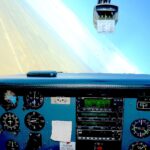
If you’ve ever Googled “How long does it take to become a pilot?”, you’ve probably noticed something frustrating.
Every answer sounds vague.
Some say a few months.
Others say years.
Flight schools say “it depends” — and stop there.
That uncertainty is not accidental. And it’s the first problem most future pilots face before they ever step into an airplane.
In this article, we’re going to fix that.
You’ll learn:
- A realistic, stage-by-stage timeline to becoming a pilot
- Why some students finish in months while others stall for years
- The one variable that quietly determines how fast (and how expensive) your training becomes
- How to predict your own timeline before you ever start
This isn’t theory. It’s based on FAA requirements, real training patterns, and what consistently separates fast-moving pilots from stuck ones.
The Common Problem No One Explains Clearly
Most people don’t quit flight training because flying is hard.
They quit because:
- Progress feels unpredictable
- Lessons start repeating
- Confidence drops before checkrides
- Time and money disappear without clear milestones
In other words, they don’t know where they are in the process.
A realistic timeline doesn’t just answer “how long” — it answers why.
The Big Picture: What “Becoming a Pilot” Actually Means
Before we talk time, let’s clarify the goal.
When people say “become a pilot”, they usually mean one of three things:
- Fly for personal enjoyment
- Fly safely in real-world weather
- Fly professionally or toward a career
Each goal has a different endpoint — and a different timeline.
Here’s the full path most pilots follow:
- Private Pilot License (PPL)
- Instrument Rating (IR)
- Commercial Pilot License (CPL)
- Optional advanced ratings (Multi-Engine, CFI)
We’ll break each one down realistically.
Stage 1: Private Pilot License (PPL)
FAA minimum: 40 flight hours
National average: 55–70 hours
Realistic timeline: 3–6 months
The Private Pilot License is where everything begins — and where most timelines quietly start to stretch.
Why the FAA minimum is misleading
While the FAA allows a checkride at 40 hours, very few students reach proficiency that quickly. Not because they’re incapable — but because learning isn’t linear.
Progress slows when:
- Lessons are spaced too far apart
- Ground knowledge lags behind flight training
- Concepts are memorized instead of understood
Students who fly 2–3 times per week and prepare properly often finish closer to 3–4 months.
Students flying once a week (or less) often drift toward 6 months or more.
The biggest delay at the PPL stage isn’t stick-and-rudder skill — it’s confusion during ground training.
Stage 2: Instrument Rating (IR)
FAA minimum: 40 hours of instrument time
Realistic timeline: 2–4 months
The Instrument Rating is where timelines either stay tight — or completely fall apart.
This is the stage where:
- Procedures matter more than feel
- Regulations suddenly matter
- Small misunderstandings compound quickly
Many pilots underestimate this rating and treat it like “just more flying.” It’s not.
Why students stall here
- Weak understanding of IFR procedures
- Difficulty visualizing systems and approaches
- Poor mental models of weather and navigation
Pilots who study ahead of lessons often complete the rating efficiently. Those who don’t may repeat lessons, delay checkrides, and lose momentum.
Stage 3: Commercial Pilot License (CPL)
FAA minimum: 250 total flight hours
Realistic timeline: 3–6 months
The Commercial License is less about learning new concepts and more about precision and consistency.
By this point, most pilots can fly well — but the FAA standard becomes tighter.
Common challenges:
- Maneuver tolerances
- Energy management
- Mental fatigue from time-building
Pilots who plan time-building strategically finish faster and spend less. Those who “just fly around” often take longer than expected.
Optional (But Common) Advanced Ratings
Depending on goals, many pilots continue with:
Multi-Engine Rating
Timeline: 1–3 weeks
Often completed quickly due to focused training.
Certified Flight Instructor (CFI)
Timeline: 1–3 months
One of the most demanding knowledge-based stages — but also one of the most valuable for mastery.
The Realistic Timeline (Start to Finish)
Here’s what most motivated, well-prepared pilots experience:
| Stage | Typical Time |
|---|---|
| Private Pilot | 3–6 months |
| Instrument Rating | 2–4 months |
| Commercial Pilot | 3–6 months |
| Advanced Ratings | 1–3 months |
Total realistic timeline:
👉 12 to 24 months
Some finish faster. Some take longer. But very few succeed without structure.
Why Some Pilots Take Years (And Others Don’t)
This is where we challenge a common belief:
“Some people are just naturally better at flying.”
That’s mostly false.
The real divider is how pilots learn, not how they fly.
Fast-progressing pilots usually:
- Study concepts before flight lessons
- Understand the “why,” not just the checklist
- Use structured explanations instead of piecing things together
- Know what’s expected on checkrides early
Slow-progressing pilots often:
- Rely entirely on instructors for explanations
- Memorize without context
- Arrive unprepared to lessons
- Don’t see the big picture
This is why many student pilots turn to structured training resources from experienced educators like Rod Machado, whose material focuses on understanding first, not rote memorization.
How to Predict Your Timeline Before You Start
Here’s a simple self-check:
Ask yourself:
- Can I train at least 2x per week?
- Will I study consistently between lessons?
- Do I want clarity, or am I okay feeling lost for a while?
If you answered “yes” to consistency and preparation, you’re far more likely to finish closer to the 12-month end of the spectrum.
If not, expect delays — not because of talent, but because of structure.
The Hidden Cost of “Going Slow”
A longer timeline doesn’t just mean waiting longer.
It often means:
- Repeating lessons
- Re-learning forgotten material
- More instructor time
- Higher total cost
Ironically, slower training often costs more.
Final Thoughts: Time Isn’t the Enemy — Confusion Is
Becoming a pilot doesn’t take forever.
What does take forever is:
- Not knowing what’s coming next
- Not understanding what you’re learning
- Not having a clear mental framework
With consistency and structured learning, most motivated students can realistically earn their pilot credentials within one to two years, without burning out or wasting money.
The timeline is predictable — once you understand the process.
Question for You
What part of pilot training feels the most unclear right now — the flying, the regulations, or the checkride expectations?
(That’s usually where progress slows.)
Ready to Make Pilot Training Easier?
If you want clear, structured explanations that remove confusion and speed up learning, many student pilots rely on Rod Machado’s training materials to prepare efficiently and confidently.
Image credit: Wikimedia Commons
Disclosure: This article contains affiliate links. If you purchase through them, we may earn a commission at no extra cost to you.
Cessna Course Tracking Explained: How Pilots Stay on Route

Staying on course is one of the most important responsibilities a pilot has, especially when flying smaller general aviation aircraft like a Cessna. Whether flying a classic Cessna 152 for training or cruising in a Cessna 172 for a weekend trip, course tracking determines how safely and confidently a pilot moves from point A to point B. New pilots often imagine that aircraft somehow follow a perfectly straight line in the sky, but the real situation is far more dynamic. Wind, magnetic variation, airspace structures, and the limits of human perception all play a role in maintaining an accurate route.
Many students are surprised to learn that course tracking is not just about pointing the airplane toward a destination. Pilots constantly monitor instruments, reference ground landmarks, and make small adjustments. Course tracking is the balancing act between planning and reacting. It is both a skill and a mindset, one that gets sharper the more hours a pilot accumulates. Once you understand the fundamentals, the whole world of flying suddenly feels easier.
In this article, we will break down Cessna course tracking in a practical, conversational way. You will learn how pilots establish a course, how they monitor it, and how they correct for real-world challenges. We will walk through the major navigation methods used in Cessnas, the instruments that make course tracking possible, and the techniques seasoned pilots rely on even in busy or windy conditions. By the end, you should have a clear picture of how pilots stay on route without stress.
What Course Tracking Means in a Cessna
Many beginners confuse headings, tracks, and routes, but understanding these concepts is the foundation of course tracking. A track is the actual path over the ground that the airplane follows. A heading is the direction the airplane’s nose is pointing. These two directions match only in perfectly calm weather. Once wind enters the equation, the tracking picture becomes more complex. A pilot may need to point the aircraft slightly left or right of the desired track to maintain a straight line toward the destination.
Course tracking is simply the process of keeping the airplane aligned with that intended ground path. In a Cessna, this is done using a combination of pilot judgment and aircraft instruments. Some pilots think of it as constantly nudging the airplane back toward the plan. Small changes are better than large corrections, and the more frequently a pilot checks their position, the smoother the flight becomes.
Even when the airplane feels stable, tracking can drift without warning. A small, unnoticed wind shift or distraction in the cockpit can cause the plane to wander several miles off course if the pilot is not regularly verifying position. That is why training emphasizes keeping your eyes scanning instruments and the outside environment. A pilot must actively know where the airplane is at all times.
Below is a simple table to clarify the difference between the key concepts that shape course tracking:
| Concept | What It Means | Why It Matters |
| Heading | Where the airplane’s nose is pointing | Determines the direction of travel through the air |
| Track | Actual path over the ground | Shows the true direction you are moving |
| Course | Planned route from departure to destination | Creates the reference for navigation |
| Bearing | Direction from aircraft to a point | Helps make direct adjustments to navigation goals |
Course tracking in a Cessna blends all of these ideas into one continuous task. A pilot is always comparing the intended course to the actual track. This may sound complicated at first, but the more you practice, the more natural it feels.
The Main Navigation Methods Pilots Use to Stay on Course
Cessna pilots do not rely on just one method to stay on track. Instead, they use several different navigation tools depending on the route, the weather, and the aircraft’s equipment. The basic navigation methods have remained the same for decades, even though modern technology has made them easier to use. Understanding these methods helps pilots become more confident and flexible in the air.
One of the classic methods is pilotage, which is simply navigating by looking outside. This includes following roads, rivers, towns, and other landmarks. Student pilots start with this because it builds strong situational awareness. As technology advances, pilots still use pilotage as a backup and for cross-checks. It is particularly useful in areas with strong visual references.
Dead reckoning is another method, which combines time, speed, distance, and heading to predict position. Pilots use it when visibility is limited or when landmarks are sparse. Although GPS has reduced the reliance on dead reckoning, it continues to be taught because it reinforces core flight planning skills. It also acts as a backup when electronics fail.
Radio navigation is used in more structured flying environments. VOR navigation has been a staple for decades. A pilot tunes to a ground station and uses the aircraft’s VOR indicator to track a radial to or from the station. It is accurate and reliable, which is why many Cessna aircraft still use it.
In the last decade, GPS has become the most popular navigation tool. It is simple, precise, and gives pilots real-time guidance. With GPS, pilots can see their track, ground speed, distance remaining, and exact position on a moving map. Many Cessna 172s today come with built-in GPS units like the Garmin G1000, making navigation much easier for new pilots.
Here is a breakdown of the main methods pilots use:
Pilotage
- Uses visual landmarks
- Ideal for short cross-country flights
- Builds strong awareness for student pilots
Dead Reckoning
- Uses time, ground speed, and headings
- Helps predict position without external signals
- Acts as a backup navigation method
VOR Navigation
- Tracks radials from ground stations
- Offers consistent accuracy for structured routes
- Common in training aircraft
GPS Navigation
- Provides exact position
- Enables moving map awareness
- Simplifies long-distance and complex routes
Cessna pilots rarely rely on just one method. Instead, they combine them. For example, a pilot may follow a GPS route while occasionally confirming position with visual references and cross-checking distances with dead reckoning. This blend ensures accuracy and safety.
The Instruments That Make Course Tracking Possible
Learning to interpret instruments is one of the most rewarding parts of becoming a pilot. In a Cessna cockpit, several key instruments help the pilot maintain course and situational awareness. Without these tools, course tracking would be much more difficult, especially in poor visibility or at night.
The magnetic compass is the most basic navigation instrument. It shows the direction the airplane is pointed relative to magnetic north. Although simple, the compass can be affected by aircraft movement, acceleration, and turbulence. That is why pilots do not rely solely on it during maneuvers. Instead, they use it for reference and cross-checking.
The heading indicator is a gyroscopic instrument that supplements the compass. It is much more stable than the magnetic compass and allows for precise heading control. Pilots must periodically realign it with the compass because gyros drift over time. During course tracking, the heading indicator is what pilots monitor most frequently when correcting for wind.
The VOR indicator is essential for radio navigation. It shows whether the aircraft is to the left or right of a selected course to a VOR station. The pilot uses the needle to make gradual corrections until the aircraft aligns with the chosen radial. This is one of the most common tools for student cross-country flights.
On GPS-equipped Cessnas, the moving map display dramatically simplifies tracking. Pilots can see their aircraft symbol, the intended route, and any deviations at a glance. The system also calculates wind correction angles, so pilots know exactly how much to adjust their heading. GPS does not replace traditional instruments, but it enhances them and provides more confidence.
Below is a table summarizing the essential course tracking instruments:
| Instrument | Primary Purpose | When Pilots Use It Most |
| Magnetic Compass | Shows magnetic direction | Cross-checks and alignment |
| Heading Indicator | Provides stable heading reference | Constant use for tracking and corrections |
| VOR Indicator | Tracks radials to ground stations | Cross-country radio navigation |
| GPS Moving Map | Shows exact position and course | Most modern cross-country flights |
Cessna pilots learn to scan these instruments regularly. Instead of staring at one gauge, they look at several quickly in a pattern. This habit ensures that no trends or deviations go unnoticed. A good instrument scan can keep a pilot on track even in challenging conditions.
Common Course Tracking Challenges and How Pilots Correct Them
Even with clear skies and good planning, maintaining a course is rarely a perfectly smooth experience. Pilots must constantly adapt to changing conditions. Some challenges are minor, while others demand immediate attention. What matters most is learning how to correct deviations before they grow.
Wind drift is the most common issue. A light sideways wind can push the airplane off track little by little until the pilot notices a significant displacement. To correct it, pilots adjust their heading into the wind at a slight angle. This is called the wind correction angle. It allows the airplane to fly a straight track even when the nose is pointed slightly sideways relative to the destination.
Visibility can also become a problem. Haze, fog, or a low sun angle may make ground landmarks harder to identify. In these situations, pilots rely more heavily on instruments like the heading indicator and VOR. When flying with GPS, pilots can follow the moving map until visibility improves. Training teaches pilots to avoid panic and fall back on the navigation tools available.
Distractions inside the cockpit can cause tracking errors as well. Adjusting radios, talking with passengers, or checking a chart can pull attention away from flying. This is why pilots are trained to prioritize keeping the airplane steady before dealing with secondary tasks. Many pilots live by the phrase Aviate, navigate, communicate, in that order.
Here are common course tracking challenges and how pilots solve them:
Wind Drift
- Cause: Sideways winds pushing the aircraft
- Solution: Apply correct wind correction angle and monitor track
Poor Visibility
- Cause: Haze, low light, or weather changes
- Solution: Shift to instrument-based tracking and use radio or GPS navigation
Navigation System Failures
- Cause: VOR outage, GPS signal loss, or cockpit equipment issues
- Solution: Switch to pilotage or dead reckoning until systems return
Pilot Distraction
- Cause: Cockpit tasks, passenger talks, or cockpit workload
- Solution: Reestablish visual and instrument focus, trim aircraft to reduce workload
Course Misinterpretation
- Cause: Misreading heading, mixing up radials, or following the wrong landmark
- Solution: Reevaluate navigation plan, confirm position, and rejoin the intended course
Every pilot, beginner or experienced, faces these challenges. The key is staying calm and making small, deliberate corrections. When a pilot understands how to detect and respond to drift early, large deviations become rare. Cessna aircraft respond smoothly to adjustments, which helps pilots correct mistakes quickly.
Practical Course Tracking Tips for New Cessna Pilots
Learning course tracking takes time, but the right techniques can help new pilots build skills faster. Good habits start early. Small things like holding a steady heading, trimming the aircraft properly, and checking instruments regularly can dramatically improve accuracy. In flight schools, instructors stress consistency because it prevents errors later on.
One of the best tips is to pick a distant visual reference point. Instead of looking directly over the nose, pilots choose a landmark far ahead that aligns with their desired heading. This helps keep the airplane from drifting because the pilot has a fixed point to follow. It also reduces the temptation to constantly bank left or right.
Another technique is to trim the airplane carefully. When a Cessna is properly trimmed, it flies more hands-off, which frees the pilot’s attention for monitoring instruments and navigation. Students who struggle with tracking are often flying out of trim, which makes the airplane wander more easily.
New pilots should also practice using both GPS and traditional instruments. Relying on GPS alone is tempting, but learning VOR, compass headings, and dead reckoning builds confidence. These skills can be lifesaving when electronics fail or distractions occur. The more tools a pilot has, the easier course tracking becomes.
Below is a list of practical tips that help new pilots stay on course more reliably:
Trim the Aircraft
- A well-trimmed Cessna flies straighter and requires fewer corrections.
Use a Visual Reference
- Pick a point far ahead and align the nose with it.
Scan Instruments Regularly
- Look at the heading indicator, track display, and compass in a smooth rhythm.
Make Small Corrections
- Avoid over-banking or chasing the heading too aggressively.
Cross-Check Navigation Methods
- Use GPS, pilotage, and VOR together when possible.
Monitor Wind Continuously
- Expect drift and check your actual track often.
Plan Ahead
- Review the route, altitudes, and landmarks before takeoff.
Stay Calm and Focused
- If you drift, correct gradually and rejoin the course without stress.
Many pilots say that course tracking finally clicks after several cross-country flights. At some point, the manual corrections and instrument scans become second nature. Once a pilot can predict the airplane’s behavior in the wind, staying on course begins to feel effortless. Practice and good habits will carry any Cessna pilot a long way.
Conclusion
Course tracking in a Cessna may seem complicated at first, but it becomes intuitive with practice. The pilot’s job is to keep the aircraft aligned with the planned route, adjust for wind, monitor instruments, and stay aware of external references. By understanding the differences between heading, track, and course, and by using navigation tools effectively, pilots can maintain accurate routing with confidence.
Cessna pilots rely on a combination of pilotage, dead reckoning, VOR navigation, and GPS. Each method reinforces the others. When one system becomes less reliable, another steps in. This layered approach keeps pilots safe and reduces stress, even during unexpected challenges. With the right habits, consistent scanning, and a calm mindset, maintaining a route becomes part of the natural rhythm of flying.
Whether you are a student pilot learning cross-country navigation or a passenger curious about how pilots stay on course, understanding these fundamentals helps you appreciate the skill involved. Small aircraft like Cessnas offer an incredible sense of freedom, and strong course tracking skills make every flight smoother, safer, and more enjoyable.
Image Credit: Wikimedia Commons
Cirrus SF50: The Next Evolution of Personal Jet Travel
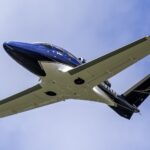
The Cirrus SF50, widely known as the Vision Jet, has changed the way many people think about personal aviation. It is designed for pilots and travelers who want the flexibility of private air travel without the complexity and cost of operating larger jets. Instead of being treated as a scaled down version of a business jet, the SF50 stands on its own by blending simplicity, comfort, and modern technology. It feels approachable, which is why it appeals to both seasoned pilots and individuals transitioning from high performance piston aircraft.
What makes the Cirrus SF50 different is how it balances performance with ease of use. Many personal jets require a large crew or intensive systems training, but the SF50 focuses on intuitive flying. The cockpit layout, the avionics, and the automation work together to reduce workload. This allows pilots to maintain confidence, especially during high stress phases like takeoff and landing. With a single engine mounted above the fuselage, the aircraft offers a streamlined experience that delivers reliability without overcomplicating operations.
Another point that elevates the SF50 is its comfort. The cabin is designed around the idea that every passenger should enjoy the flight, not just endure it. It feels more like stepping into a modern SUV than entering a traditional jet. There is plenty of natural light, headroom, and seating flexibility. For families or small business groups, this setup makes regional travel feel relaxed and efficient. When combined with respectable speed and range capabilities, the SF50 reinforces the idea that personal jets should be easy to operate and enjoyable to ride in.
Key Features That Make the Cirrus SF50 Unique
The Cirrus SF50 packs a range of features that create its identity and purpose. These features are meant to support safety, comfort, affordability, and accessible jet operations. Below are some of the most notable characteristics that pilots and passengers often appreciate.
List of standout features:
- CAPS Whole Aircraft Parachute System
- Garmin Perspective Touch+ avionics
- Single turbofan engine design
- Spacious cabin with flexible seating
- Advanced autopilot and automation support
- Efficient fuel consumption for its class
- Simple single pilot operations
- Modern safety alerts and monitoring systems
The CAPS parachute system is one of the biggest talking points of the SF50. Cirrus is known for including this technology in its smaller piston aircraft, and extending it to a personal jet reinforces their long term dedication to safety. While nobody wants to encounter an emergency situation, knowing there is a last resort option brings peace of mind. Safety is a major selling point, especially for families or business executives who want additional layers of security.
Another defining feature is its avionics suite. Garmin Perspective Touch+ provides a clear and intuitive interface, making it easy for pilots to manage navigation, communication, and aircraft systems. The touchscreen capability, custom layout, and built in safety enhancements help pilots maintain situational awareness. This technology reduces complexity, which has always been one of Cirrus’ core design philosophies.
The cabin layout is equally impressive. The aircraft seats up to seven people, depending on configuration, and it uses a contemporary interior style. Travelers enjoy large windows and thoughtful design touches that make the space feel open. The cabin also includes climate control systems that work evenly throughout the aircraft, ensuring comfort during both short hops and longer regional flights. These features combine to demonstrate why many consider the SF50 to be the most approachable jet on the market.
Performance and Real World Capabilities
When discussing the performance of the Cirrus SF50, the conversation always returns to its practicality. It is not designed to compete with large corporate jets, but instead to fill a unique gap in the market. For pilots transitioning from high performance piston or turboprop aircraft, the SF50 serves as a natural progression. It offers greater speed, more altitude capability, and jet level comfort without overwhelming operational demands.
The SF50 typically cruises at around 300 knots, which allows for efficient regional travel. While it may not match the speeds of multi engine jets, its performance is more than enough for flights that average between 500 and 1,200 miles. The aircraft also handles shorter runways well, making it ideal for airports closer to destinations. This convenience saves time and offers access to locations where larger jets might struggle.
Fuel efficiency is another strong point. The single engine setup burns significantly less fuel than traditional private jets. This lowers operational costs and makes the aircraft appealing for owners who fly frequently. Maintenance requirements are also relatively manageable. Instead of needing a full crew of technicians, the simple systems design helps reduce expenses and downtime.
Below is a simple comparison table that highlights how the Cirrus SF50 stacks up against similar categories of personal aircraft.
| Feature | Cirrus SF50 | Typical Light Jet | High Performance Piston |
| Cruise Speed | ~300 knots | 350 to 450 knots | 160 to 220 knots |
| Range | ~1200 miles | 1500 to 2000 miles | 800 to 1000 miles |
| Fuel Burn | Lower | Higher | Moderate |
| Pilot Requirement | Single pilot | Often 2 pilots | Single pilot |
| Cabin Capacity | Up to 7 | 6 to 8 | 4 to 6 |
This table shows how the SF50 positions itself between piston aircraft and more advanced business jets. It gives pilots a taste of jet performance while keeping operations manageable. Many owners choose the SF50 because it fits their travel patterns better than faster, more expensive alternatives. Whether it is a short business trip, a weekend getaway, or regular regional flights, the SF50 gives travelers an accessible way to enjoy personal jet travel.
Ownership Experience and Practical Benefits
Owning a Cirrus SF50 comes with a blend of convenience, cost effectiveness, and pride of ownership. It is a jet that does not intimidate the average pilot. Instead, it encourages more people to consider the possibility of personal jet travel. For many owners, the value extends far beyond performance numbers. It lies in the freedom to travel according to personal schedules and preferences.
One of the biggest advantages of SF50 ownership is reduced operating cost. The single engine design, efficient fuel burn, and streamlined maintenance schedule help owners stay within a manageable budget. Many individuals who might have previously relied on fractional ownership or charter services now see direct ownership as a feasible option. The aircraft allows pilots to be their own transportation solution without dealing with the complexities of multi engine jets.
Training programs also play an important role in the ownership experience. Cirrus offers structured training designed to help new jet pilots become comfortable with the aircraft. The transition is smoother thanks to the automation, avionics, and intuitive systems. Pilots often mention that the aircraft feels familiar if they have flown previous Cirrus models. This familiarity reduces stress and builds confidence, which is crucial when moving from piston aircraft to a jet.
The practical side of ownership includes details like insurance, hangar space, and maintenance scheduling. The SF50’s compact size makes it easier to store and operate in smaller airports. Owners appreciate this advantage because it provides quick access and flexibility. Being able to keep the aircraft close adds to the convenience and contributes to its appeal. Many buyers also value the resale strength of Cirrus aircraft. The brand has a strong following, and the Vision Jet maintains a reputation that supports long term ownership value.
Here is a list of benefits that many owners highlight when describing their experience:
- Lower operating cost compared to typical business jets
- Compact size suitable for smaller airports
- Intuitive systems that make flying less stressful
- Strong resale value
- Streamlined training and transition programs
- Comfortable cabin experience for families
- Advanced safety features that increase confidence
These points show why the SF50 appeals to such a broad range of pilots. It brings together accessibility, comfort, and practical ownership features that align with the needs of modern travelers.
How the Cirrus SF50 Shapes the Future of Personal Jet Travel
The introduction of the Cirrus SF50 marked a major shift in the industry and helped redefine expectations for personal aviation. Instead of requiring complex multi engine platforms, pilots can now enjoy jet performance in a simplified format. This transformation opens more doors for pilots who want to advance their skills and enjoy the benefits of jet ownership without stepping into traditional business jet territory.
One reason the SF50 is shaping the future is that it simplifies jet operations enough for everyday use. Many owners describe it as an aircraft they can comfortably fly multiple times per week. This regular usage pattern is uncommon with larger corporate jets, which often require more crew coordination, planning, and maintenance. By making jet flying feel more like driving a luxury vehicle, Cirrus demonstrates that personal aviation can be a practical part of daily life.
The safety features also contribute to its long term impact. Including a whole aircraft parachute in a jet category was a bold move. It challenges the industry to reimagine what safety looks like in modern aircraft. Manufacturers now see that buyers value reassurance, especially those who travel with family or children. As this mindset grows, more aircraft designers may integrate new layers of protection into their future models.
Advancements in avionics further influence the direction of personal aviation. The touchscreen systems, automation features, and streamlined displays showcase a shift toward smarter cockpits. These systems help reduce pilot workload and support safer decision making. As technology continues to progress, personal jets will likely adopt more automation features that make flying easier without sacrificing control.
Below is a table summarizing the areas where the SF50 has influenced changes in personal aviation.
| Impact Area | How the SF50 Contributes |
| Safety Evolution | Introduced a jet level parachute system |
| Accessibility | Makes jet ownership feasible for more pilots |
| Technology | Highlights the role of touchscreen avionics |
| Cost Efficiency | Reduces fuel and maintenance demands |
| Market Influence | Inspires growth in the personal jet segment |
These influences are already visible today, as more pilots explore the idea of single pilot jets. The SF50 set a strong example by showing that a personal jet does not need to be overwhelming or financially out of reach. It can be practical, enjoyable, and safe while still delivering the excitement of jet performance.
The Cirrus SF50 represents a major evolution in personal air travel. It blends advanced engineering with user friendly design, making jet travel more accessible than ever before. For many, it bridges the gap between piston aircraft and traditional business jets. Its combination of safety, comfort, affordability, and modern technology continues to attract interest from pilots around the world. As aviation moves forward, the SF50 is likely to remain a key reference point for what a personal jet can and should be.
Image Credit: Wikimedia Commons
Cirrus Vision Jet Range: How Far It Really Flies
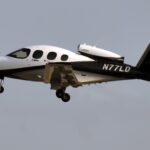
When pilots talk about range, they are often referring to the perfect laboratory scenario that rarely matches what happens in the sky. The Cirrus Vision Jet is no different. It has a published maximum range, but the actual distance it covers depends on a mix of variables that every pilot faces once the wheels leave the ground. If you have ever compared the brochure numbers of any aircraft with what owners actually report, you know that the real story comes from real flight conditions.
The Vision Jet is known for its efficiency and ease of use, especially for pilots transitioning from high performance piston aircraft. Its advertised range gives new flyers a sense of confidence, but understanding how far it really travels requires a closer look at performance, weather, weight, and cruising choices. Many new owners expect the aircraft to behave like a long distance business jet, but the Vision Jet belongs in the personal jet category. That means the numbers are respectable, but not unlimited.
Talking to pilots who fly the Vision Jet often reveals a consistent theme. They love the aircraft, but they also acknowledge that the range varies depending on how they fly it. Looking at the details helps you manage expectations and plan flights more accurately. And if you want to understand the real experience beyond the marketing line, the following sections give you a clearer picture of what the Vision Jet can actually do.
Published Range Numbers vs Real World Range
The Vision Jet has a published range that looks impressive at first glance, but many pilots quickly discover that actual flights tell a slightly different story. The official range assumes ideal conditions, while the real world introduces factors that change the outcome. Breaking down each scenario makes it easier to understand what to expect before planning a long trip.
Here is a simple comparison table showing the approximate difference between published performance and real life flying based on owner reports and typical conditions:
| Category | Published Figure | Real World Expectation |
| Maximum Range | About 1,200 nautical miles | 600 to 900 nautical miles depending on weather |
| Best Cruise Altitude | FL310 | FL280 to FL300 based on conditions |
| Fuel Capacity | 296 gallons | Effective usable range varies with payload |
| Average Cruise Speed | 300 knots true airspeed | 280 to 305 knots depending on winds |
| Payload with Full Fuel | Limited for four adults | Often requires fuel trade offs |
When discussing range, the biggest difference comes from the concept of practical versus theoretical numbers. The 1,200 nautical mile figure assumes no headwinds, optimal cruise altitude, minimal payload, and a flight plan that requires no diversions. This almost never happens in normal flying. Most owners say their comfortable planning figure falls between 700 and 900 nautical miles, which supports both safety margins and passenger comfort.
Another important consideration is the relationship between altitude and fuel burn. The Vision Jet performs best at higher altitudes, but reaching those heights takes time and fuel. Climbing into the low flight levels is worth it for long legs, but shorter trips might not benefit as much. These small performance realities matter when you start calculating how far you can actually go on any given day.
If you compare the Vision Jet with other small jets, you quickly notice that it was designed for short to mid length regional missions rather than cross country endurance. This is not a drawback but a characteristic. Knowing the realistic range lets you protect your schedule, avoid unnecessary stress, and get the most out of every flight.
Factors That Affect How Far the Vision Jet Flies
The Vision Jet is efficient, but various factors influence its range. Each element plays a role in how far the aircraft can safely and comfortably travel. Understanding these influences helps you set accurate expectations and plan your flights with confidence. The more familiar you are with these variables, the better your decision making becomes when selecting altitudes, fuel loads, and cruising speeds.
Here are the main factors that impact real distance:
- Weather Conditions: Headwinds are the most common range killer for the Vision Jet. A strong headwind can easily reduce effective range by more than a hundred nautical miles. Tailwinds help, but they cannot be relied on consistently. Temperature also plays a role because hotter conditions reduce climb performance and overall efficiency.
- Payload and Passenger Weight: Full fuel rarely pairs well with a full cabin. Carrying additional passengers or heavy luggage means you may need to reduce fuel. This directly reduces the range available for the trip. Pilots often face the choice between taking an extra person or adding more fuel for a longer leg.
- Cruise Speed and Altitude: Flying faster burns more fuel. The Vision Jet offers flexibility in cruise settings, but higher speeds shorten the maximum distance you can travel. Altitude matters as well. Higher altitudes offer better fuel economy, but reaching them requires extra fuel during the climb.
- Temperature at Altitude: Colder temperatures help the engine perform more efficiently. Warmer air creates density challenges that lower performance. This matters most during summer flights when the aircraft may struggle to reach ideal cruising levels.
- Route Adjustments and ATC Restrictions: Air Traffic Control may issue reroutes, altitude changes, or speed adjustments that impact fuel burn. Any unexpected deviation from the planned route can reduce range. Pilots usually add extra fuel reserves to accommodate such uncertainties.
- Pilot Technique: Smooth climbs, proper power management, and maintaining optimal speeds contribute to better efficiency. Small variations in pilot inputs add up over long distances. Many owners say that experience with the jet helps them squeeze more performance from every flight.
These factors explain why pilots often report a comfortable planning range of 700 to 900 nautical miles. The Vision Jet performs well within this window and supports a wide range of regional missions. Understanding these variables lets you maximize each flight and avoid pushing the limits of fuel reserves.
Realistic Trip Scenarios You Can Expect With the Vision Jet
To understand real world performance, it helps to look at common trip scenarios that Vision Jet owners often fly. These examples give you a clearer sense of what distances are practical, comfortable, and repeatable. Many owners use the aircraft for business travel or quick family getaways, so the following scenarios reflect those common uses.
- Short Regional Flights: Trips between 200 and 500 nautical miles are where the Vision Jet shines the most. These flights allow the aircraft to climb to efficient altitudes quickly and spend enough time at cruise to take advantage of its design. You can depart from a smaller airfield, reach cruise, and land without worrying about fuel trade offs.
- Medium Distance Business Routes: Flights between 600 and 850 nautical miles are achievable under normal conditions. These trips require a bit more planning, especially if you expect weather changes along the way. Most pilots choose to cruise between FL280 and FL310 to get the best balance between speed and efficiency.
- Longer Missions and Single Leg Pushes: Flights approaching 900 nautical miles are possible, but you need ideal winds, a light payload, and minimal route deviations. These flights can be done, but they are not the typical mission profile. Owners who regularly fly long routes usually plan for a fuel stop to remove the stress associated with range limitations.
- Family Travel With Passengers and Luggage: When traveling with multiple passengers and a full set of bags, the range will naturally decrease. In these situations, planning 500 to 700 nautical miles between stops gives a comfortable cushion. Many pilots choose to break long family trips into two legs, which keeps everyone comfortable and avoids flying at the aircraft’s edge.
- Seasonal Differences: Winter can offer strong tailwinds that extend the aircraft’s reach, sometimes making 900 nautical mile trips more achievable. Summer, on the other hand, creates heat challenges and stronger headwinds on some routes, reducing effective range.
These scenarios show how range is more about planning than the advertised maximum number. The Vision Jet was built to be a personal transport solution, and when used within its comfort zone it performs reliably and predictably. Every aircraft has a sweet spot, and for the Vision Jet, those mid range flights are where it excels.
Tips for Maximizing Your Vision Jet Range
The Vision Jet is designed to be efficient, but pilots who understand how to get the most from it enjoy longer and smoother flights. These tips come from pilot experience and reflect common habits that help extend practical range. You do not have to be a high time jet pilot to use them. Even transitioning owners benefit from keeping these strategies in mind.
- Choose Efficient Cruise Profiles: Flying slightly slower than maximum cruise speed can dramatically improve fuel burn. Many owners cruise between 270 and 290 knots to strike a balance between speed and endurance. Selecting the right power setting is a simple way to enhance overall range.
- Climb Smoothly and Manage Power: Aggressive climbs use more fuel. A steady climb at the recommended power settings keeps fuel burn under control. Focus on reaching your target altitude without unnecessary throttle changes.
- Optimize Weight Before Loading: If you know you need maximum range, consider reducing non essential luggage or coordinating passenger weight. Small adjustments on the ground make a meaningful difference once airborne. Many pilots find that trimming even a small amount of weight helps give them more options at cruise.
- Use Weather Tools to Your Advantage: Checking winds aloft and planning around the most favorable route can add significant range. Sometimes a slight adjustment in direction or altitude creates a noticeable fuel advantage. This is one of the easiest and most effective ways to improve flight efficiency.
- Plan Fuel Stops Strategically: Instead of pushing the limits of a single long leg, choose airports along your route where fuel is affordable and easy to access. Adding a short stop increases safety and often makes the entire trip feel more relaxed.
- Stay Flexible With Altitudes: Conditions often change during the flight. A headwind at one altitude may disappear a few thousand feet higher. Staying responsive to ATC and adjusting your cruise altitude can help restore efficiency.
Applying these methods creates a more predictable range experience. Over time, you learn how your specific Vision Jet responds in different seasons, altitudes, and loading conditions. Treating range as a flexible number rather than a fixed promise helps you make well informed decisions in every phase of flight.
Conclusion: What the Vision Jet Range Means for Real Owners
The Cirrus Vision Jet delivers a balance of comfort, efficiency, and ease of use that fits the needs of many pilots stepping into the world of personal jet aviation. But the real range is not the number printed on the marketing brochure. It is a combination of real world variables, pilot decisions, and mission planning techniques. Understanding how these pieces work together helps you enjoy the aircraft without unrealistic expectations.
Most owners find that the Vision Jet consistently supports trips between 600 and 900 nautical miles under normal conditions. It is not designed for cross country marathon flights in a single hop, but it excels as a regional jet that makes travel simple, enjoyable, and efficient. Treating the range as a flexible planning tool rather than a fixed promise gives you a more satisfying ownership experience.
When pilots move into the Vision Jet, they often talk about how it changes their flying life. It opens doors to quicker trips, spontaneous weekend flights, and reliable business travel across multiple states. The range is part of that story. Knowing what to expect lets you make confident decisions, adjust to changing conditions, and enjoy every flight the way the Vision Jet was meant to be flown.
If you plan your missions within its comfortable range envelope and adopt simple strategies to improve efficiency, the Vision Jet becomes a dependable travel companion. Understanding how far it really flies helps you get the most out of every mile.
Image Credit: Wikimedia Commons
Cessna 150: The Classic Trainer That Shaped Modern Aviation
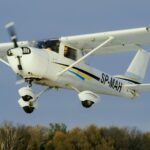
The Cessna 150 may look like a modest little aircraft, but its impact on the world of aviation is anything but small. When people talk about the planes that made flying accessible, it is almost impossible not to mention this friendly and familiar two seater. For many pilots, instructors, and aviation enthusiasts, the Cessna 150 represents the first real taste of flight, the first hands on lesson in the sky, and often the first memories that inspired a lifelong passion. This aircraft did not just serve as a training tool. It reshaped how people approached flying and made aviation feel attainable for students from all backgrounds.
Its charm comes from its simplicity and practicality. Designed to be reliable, predictable, and efficient, the Cessna 150 helped thousands of pilots gain confidence during their earliest and most formative hours in the cockpit. Even today, long after more advanced training aircraft have entered the scene, the Cessna 150 continues to hold a place of honor as one of the most recognized general aviation aircraft ever produced. It is a blend of nostalgia and smart engineering that still captures hearts across the globe.
The story of the Cessna 150 is more than a historical timeline. It is a story of accessibility and how the aviation industry shifted into a more inclusive direction. This aircraft stands as proof that sometimes the simplest machines make the biggest mark. To understand why the Cessna 150 continues to matter, it is worth exploring how it was built, why it worked so well as a trainer, and how it shaped the modern standards used in flight training today.
How the Cessna 150 Came to Life
When Cessna introduced the 150 in the late 1950s, aviation was in a period of transition. Flight schools were expanding, the number of private pilots was growing, and there was a strong need for an aircraft that could serve as a dependable primary trainer. The company had already seen success with earlier models, but the 150 aimed to refine what pilots needed most: simplicity, efficiency, and low operating costs. It became a plane that allowed more people to fly without being limited by complicated systems or expensive maintenance routines.
The engineers behind the Cessna 150 focused on creating a structure that was sturdy and forgiving. With its all metal airframe and tricycle landing gear, it was intentionally designed to be easier for students to handle during takeoffs and landings. Tricycle gear was becoming popular at the time because it reduced the tendency for ground loops, especially for inexperienced pilots. This design choice alone made training smoother and less intimidating.
As the aircraft evolved over the years, different variants of the Cessna 150 emerged. Each version offered subtle improvements while keeping the core design philosophy intact. Below is a table summarizing several key variants and their notable features.
| Variant | Production Years | Key Changes | Purpose |
| Cessna 150 (Original) | 1958 to 1960 | Basic trainer design, simpler interior | Entry level pilot training |
| Cessna 150A to 150D | 1960 to 1964 | Improved cabin comfort, slight weight changes | Enhanced training experience |
| Cessna 150E to 150G | 1964 to 1967 | Better fuel system, redesigned instruments | More reliability for schools |
| Cessna 150H to 150K | 1967 to 1970 | Stronger engine mounts, aerodynamic improvements | Increased durability |
| Cessna 150L | 1971 to 1974 | Larger tail surface, improved flaps | Better stability and control |
| Cessna 150M | 1974 to 1977 | Final updates, new windows and lighting | Last evolution of the series |
These upgrades helped the Cessna 150 remain relevant throughout its production. By listening to instructors, students, and operators, Cessna adjusted the aircraft to fit real world training demands. What stayed constant was the goal to keep flying accessible and enjoyable. The steady evolution of the 150 reflected how the aviation world itself was growing and becoming more structured in its approach to pilot training.
Another important factor in its development was Cessna’s production strategy. The company built the aircraft in large numbers, which helped lower costs and made spare parts widely available. This was crucial for flight schools, especially those that operated fleets of these small planes. The more common the 150 became, the more standardized flight training methods became as well. It was not just an aircraft. It became part of the foundation for consistent, safe, and affordable training across countless aviation communities.
Why Flight Schools Trusted the Cessna 150
The Cessna 150 earned its place as a top flight school favorite for reasons that go far beyond nostalgia. From the moment a student stepped inside, the aircraft presented a layout that felt intuitive and manageable. The controls were straightforward, the gauges were clearly arranged, and the workload was ideal for someone learning the fundamentals. Instead of overwhelming students with complexity, the 150 gave them the space to build confidence gradually.
One major advantage of the Cessna 150 is its forgiving flight characteristics. Trainers need to be predictable, and the 150 delivered exactly that. Its stall behavior was gentle, its control inputs were responsive without being overly sensitive, and it allowed students to correct mistakes without losing stability too quickly. These qualities helped instructors teach essential skills in a safer and more controlled environment.
Fuel efficiency also made the Cessna 150 incredibly appealing to training operators. With a relatively low fuel burn rate, schools could offer more flying hours at affordable rates. This affordability encouraged more aspiring pilots to pursue lessons, which played a big role in shaping the aviation workforce during the time. The more accessible flying became, the more students could confidently work toward earning their licenses.
Beyond its design and cost effectiveness, the Cessna 150 had a practical side that instructors loved. Here are several reasons flight schools consistently trusted the aircraft:
- Simple Maintenance Requirements: Mechanics could easily work on the aircraft without dealing with overly complex systems. This reduced downtime and kept more planes available for daily training schedules.
- Consistent Parts Availability: Since Cessna produced the 150 in large quantities, flight schools rarely struggled to find replacement parts. This consistency made long term operation more reliable and predictable.
- Ideal Training Cockpit: Students learning navigation, instrument reading, and basic flight techniques found the cockpit manageable. It encouraged hands on learning without distractions.
- Strong Safety Record: The Cessna 150 built a reputation for being dependable even when used heavily. Its structural design and predictable handling supported safe training practices.
- Versatility for Students at Different Levels: Whether someone was preparing for their first solo or working on advanced maneuvers, the 150 adapted well to different training scenarios.
These advantages shaped how flight schools structured their programs. As thousands of students learned to fly in these planes, the Cessna 150 became a symbol of consistency and reliability. Its presence in hangars across the world set a standard for what a training aircraft should be. The model influenced how newer trainers were designed, demonstrating that simplicity and smart engineering could produce long lasting results.
The more schools adopted the Cessna 150, the more the aviation community relied on it as a benchmark. The aircraft helped create a common training experience that pilots from different backgrounds could relate to. This shared foundation helped strengthen aviation culture and gave future pilots a sense of unity, knowing they had all learned the ropes in the same friendly cockpit.
The Flying Experience That Captured Generations
Flying a Cessna 150 is something many pilots remember fondly. Even those who went on to fly commercial jets or advanced military aircraft often look back at their time in the 150 as the phase where they truly learned how to feel an airplane move. There is a certain charm in how the aircraft responds to the smallest inputs and how it encourages pilots to understand the air around them rather than rely heavily on automation.
One of the most appealing aspects of flying the Cessna 150 is its slow and steady nature. Student pilots often feel nervous when they begin training, and the 150 helps calm those nerves with its predictable behavior. It is not meant to be fast or aggressive. Instead, it allows pilots to build muscle memory and develop instincts without rushing the learning process. This is part of why it became so popular as a primary trainer.
Inside the cabin, the simplicity of the controls invites focus and practice. Pilots learn the importance of coordination, trim adjustments, and energy management. These skills become the foundation for everything they do later, whether flying small private planes or large airliners. The Cessna 150 gives them the space to make mistakes safely and learn correct techniques in a hands on, authentic way.
Another memorable aspect of the 150 is its ability to connect pilots to the joy of flying. The view from the cabin is wide and open, making every flight feel like an invitation to explore. Many pilots say the Cessna 150 allowed them to appreciate the beauty of the skies in a way that more complex aircraft sometimes hide behind layers of technology. The experience is raw, pure, and deeply memorable.
Below are a few reasons pilots often say the Cessna 150 feels special when flying:
- Light and Responsive Controls: The aircraft reacts smoothly to inputs, helping pilots understand how small adjustments affect flight behavior.
- Comfortable Visibility: The large windows allow pilots to enjoy clear, unobstructed views that make visual navigation feel natural and enjoyable.
- Gentle Learning Curve: Its predictable handling makes it suitable for students who are still learning to trust their instincts and manage fear.
- Connection to Basic Flying Skills: Flying the 150 encourages a deeper understanding of aerodynamics, energy management, and manual control.
- Low Stress Environment: Because the aircraft is forgiving and slow paced, pilots have more time to think and respond during training situations.
Together, these qualities created a flying culture built on confidence and curiosity. The Cessna 150 turned ordinary individuals into skilled aviators and inspired many to pursue flying as a career or lifelong hobby. Even today, stepping into a 150 feels like revisiting the roots of aviation training. It reminds pilots of how simplicity can lead to mastery and how the earliest lessons remain the most meaningful.
How the Cessna 150 Shaped Modern Training Standards
The influence of the Cessna 150 extends well beyond its production years. While many training aircraft have come and gone, the standards established during the era of the 150 helped define modern pilot education. Flight schools today, whether large academies or small local operations, still follow training principles that were shaped by how students learned in this aircraft.
One of the biggest contributions the Cessna 150 made was in normalizing the tricycle landing gear setup for training. This configuration offered greater stability and easier control during landings and taxiing, which helped reduce student stress and lower the number of ground handling incidents. Now, most modern trainers use tricycle gear for the same reasons.
Its cockpit design also paved the way for a more structured training workflow. By organizing gauges and controls in a logical manner, the Cessna 150 made it easier for students to understand the relationship between airspeed, altitude, engine power, and attitude. This setup influenced how newer aircraft layouts were created, improving consistency across different brands and models used in flight training today.
The affordability of the 150 played a significant role in shaping training accessibility. In the decades after its release, flight hours became more reachable for aspiring pilots who did not have deep financial resources. This helped fuel the growth of the aviation workforce. Many modern training programs still emphasize cost efficiency, often drawing inspiration from the operational style of 150 era flight schools.
Here are key ways the Cessna 150 influenced modern aviation training:
- Standardization of Basic Cockpit Layouts: Its arrangement of instruments helped create a common learning environment that future trainers continued to follow.
- Focus on Fuel Efficiency: The 150 highlighted the importance of balancing performance and affordability, a principle that remains important today.
- Encouragement of Hands On Learning: Its simple controls encouraged instructors to teach manual flying skills that remain essential even in advanced aircraft.
- Durability Expectations: Flight schools expect modern trainers to withstand heavy daily use, a standard set by the longevity of the Cessna 150.
- Safety Focus in Early Training Phases: The aircraft showed that forgiving flight behavior could significantly reduce training risks and improve student outcomes.
The impact of these changes is still visible in aviation schools globally. Whether an instructor is teaching steep turns, practicing emergency procedures, or preparing a student for their first solo, the principles that originated from the Cessna 150 era continue to guide the process. Many flight schools even keep older 150s in their fleets today, both for nostalgia and practicality.
What makes the Cessna 150 especially influential is that it bridged the gap between aviation’s early days and the structured modern approach we see now. It helped set expectations for how a primary trainer should behave, how it should be maintained, and how students should interact with it. This aircraft will always be part of the foundation upon which modern pilot training is built.
The Timeless Value of the Cessna 150
The Cessna 150 may no longer be in production, but its legacy remains deeply rooted in aviation communities around the world. Whether it sits in a flight school hangar, an airfield museum, or a private collection, the aircraft continues to represent a golden era of learning and discovery. Newer models with advanced avionics and modern engines might offer more features, but many pilots still choose to fly or restore Cessna 150s because of their historical and emotional significance.
The aircraft’s affordability continues to attract beginners and hobbyists. Compared to larger or more technologically advanced planes, the 150 offers a cost effective way to stay active in aviation. Maintenance remains manageable, parts are still available through various suppliers, and the aircraft is known for its resilience even after decades of flying.
Its value also lies in the memories it represents. Pilots who trained in a Cessna 150 often describe a sense of connection to the aircraft that feels personal and enduring. They remember the sound of the engine on early morning flights, the challenge of mastering their first solo landing, and the excitement that came with discovering the freedom of the skies. These experiences shaped their identity as aviators and often influenced their career paths.
The following points explain why the Cessna 150 continues to matter today:
- Accessible Entry Point for New Pilots: The aircraft remains one of the most affordable ways to begin flying, both in terms of rental costs and ownership.
- Strong Community of Supporters: Enthusiasts, mechanics, and restorers keep the aircraft alive through online forums, clubs, and events.
- Historical Importance: The 150 represents a turning point in how the world approached pilot training, making it valuable from both an educational and historical standpoint.
- Reliable for Recreational Flying: Pilots who enjoy weekend flights or cross country trips appreciate its dependability and simplicity.
- A Symbol of the Joy of Learning: The Cessna 150 captures the spirit of discovery and the excitement of mastering something new.
Looking at its role in history, its continued presence in training fleets, and its emotional connection to generations of pilots, the Cessna 150 remains one of the most influential aircraft ever made. It is a reminder that innovation does not always require complexity. Sometimes, the most effective solutions are the ones that focus on clarity, reliability, and an understanding of what students truly need.
Even as aviation advances into an era of automation and high tech cockpit systems, the Cessna 150 stands as a symbol of where it all began for countless pilots. Its timeless value proves that great design and thoughtful engineering can leave a legacy that spans decades. The little trainer that shaped modern aviation will always have a respected place in the sky and in the hearts of those who first discovered flight through its wings.
Image Credit: Wikimedia Commons
Cessna 172: 9 Things Every Pilot Should Know
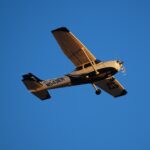
The Cessna 172 is one of those airplanes that quietly earns your respect the moment you sit behind the controls. Whether you are a brand new student pilot or someone who has logged years of experience, this aircraft feels familiar, steady, and almost predictable in the best way possible. Many pilots even say that the Cessna 172 taught them more about flying than any other airplane, because it never rushes you and never complicates the learning curve. It is the kind of aircraft that shows you what real flying feels like without overwhelming you.
For many pilots, the Cessna 172 becomes their first love in aviation. It is the plane they solo in, the aircraft they use to practice cross-country procedures, and the model they trust when learning to navigate unpredictable wind patterns. The beauty of the 172 lies in its simplicity. You can start the engine, taxi out, take off, and quickly feel like the airplane is working with you, not against you. Even during turbulent days, the 172 gives you the sense that you always have a moment to think things through before committing to a maneuver.
This article breaks down nine things every pilot should know about this legendary aircraft. Each section highlights something practical, useful, and often overlooked. The goal is to give you a friendly walk-through of what makes this airplane reliable, enjoyable, and something worth mastering. By the end, you will have a better understanding of why the Cessna 172 remains the most-produced aircraft in aviation history and why pilots keep coming back to it year after year.
The Cessna 172 Has a Reputation for Being Extremely Forgiving
One of the biggest reasons pilots fall in love with the Cessna 172 is its forgiving nature. You can make small mistakes and still recover without drama, which helps build confidence. This is especially helpful for students who are still figuring out how to manage airspeed, altitude, and control coordination. The airplane reacts smoothly to control inputs, and even when you get a little sloppy, it does not punish you instantly.
Another aspect that contributes to its forgiving personality is the high wing design. The high wings provide stability, great downward visibility, and a margin of safety when flying slowly. It also gives the aircraft a natural resistance to stalls when compared to some low-wing aircraft. Many pilots say that the 172 helps them learn good habits because you can feel what the airplane wants from you. It teaches you the relationship between pitch, power, and performance in a very clear way.
There is also a sense of comfort knowing the 172 can handle unintentional bank or pitch changes. If you trim it well and let go for a moment, it tends to settle itself back into stable flight. It is not something you want to rely on all the time, but it is reassuring when you are learning. For new pilots, flying the 172 is like riding a bike with training wheels, except the training wheels are nearly invisible.
List of why the 172 is considered forgiving:
- Stable handling during low-speed operations
- Predictable stall characteristics
- High wing design increases visibility and stability
- Gentle control response helps beginners avoid overcorrection
It Is the Most Produced Aircraft in the World for a Reason
The Cessna 172 holds the title for the most-produced airplane in aviation history. With more than 44,000 units built, this aircraft has been around long enough to shape flight training standards worldwide. When an airplane is produced in such numbers, it means pilots, instructors, and mechanics all understand it extremely well. Parts availability is unmatched, maintenance is simpler, and the aircraft design has gone through countless refinements over the years.
Another reason for its production success is its versatility. Flight schools love the 172 because it fits so many missions. With enough stability for training and enough capability for long cross-country trips, the airplane covers a wide spectrum of flying needs. Recreational pilots, renters, and even small charter operations all find value in having access to a 172. You can use it to practice maneuvers, enjoy sightseeing flights, or transport passengers for short hops.
Beyond its production numbers, the Cessna 172 has a strong reputation for durability. These airplanes can last for decades when properly maintained. You can walk into almost any flight school and find a 172 that has been flying for 40 years and still feels as dependable as when it first rolled out of the factory. The strength of the design is part of what makes pilots view it as a trustworthy long-term investment.
Table: Why the Cessna 172 Became the Most Produced Aircraft
| Factor | Explanation |
| High Reliability | Proven airframe that lasts for decades |
| Versatility | Useful for training, travel, and recreational flying |
| Global Support Network | Parts, mechanics, and documentation widely available |
| Easy Maintenance | Straightforward systems reduce downtime |
| Pilot-Friendly Design | Welcoming for beginners and experienced pilots |
Its Fuel Efficiency Makes Cross-Country Flying Affordable
One of the biggest benefits of flying a Cessna 172 is its fuel efficiency. Many pilots appreciate that they can spend more time in the air without feeling financially overwhelmed. The typical 172 burns around eight to ten gallons of fuel per hour, depending on power settings, altitude, and model. When compared to larger general aviation aircraft, the cost savings are obvious.
Fuel efficiency also gives pilots more flexibility in planning longer cross-country flights. You can travel hundreds of miles without needing multiple fuel stops, which saves time and reduces stress. If you are training for your private or instrument rating, the reduced fuel cost can make a significant difference over months of flying. Students often say the Cessna 172 lets them enjoy long practice flights while keeping their training budget manageable.
Another advantage of fuel efficiency is environmental impact. While general aviation still relies heavily on avgas, the 172’s smaller engine and efficient performance help reduce emissions compared to larger airplanes. Pilots who value eco-conscious flying appreciate that the 172 accomplishes so much with modest fuel requirements. It is one of the reasons this aircraft continues to appeal to the modern aviator who wants performance without excessive consumption.
List of factors that improve the 172’s fuel efficiency:
- Lightweight airframe
- Aerodynamic design
- Efficient four-cylinder engine
- Low drag profile with fixed gear
- Optimal performance at mid-range power settings
The Cessna 172’s Avionics Have Evolved Dramatically Over the Years
Modern Cessna 172s are not the same airplanes that first appeared decades ago. The evolution of avionics has transformed the cockpit experience. Many newer models are equipped with glass cockpit systems like the Garmin G1000. This technology provides pilots with digital displays, flight data, navigation tools, and situational awareness that used to be available only in larger aircraft. Pilots who train in these modern 172s become comfortable with advanced avionics early in their flying journey.
Having a glass cockpit in a training airplane is beneficial for both students and instructors. The ability to visualize flight paths, weather information, and engine performance in real time makes flying safer and more intuitive. Even more experienced pilots appreciate how digital avionics help maintain precision during instrument training. Flying approaches, holds, and procedures becomes much more organized when using integrated systems.
Of course, many older 172s still fly with analog gauges, and they remain reliable and effective. The mix of analog and digital options gives pilots the chance to learn in different types of cockpits. Some instructors say that mastering analog gauges builds foundational skills, while others argue that glass cockpits prepare students for modern flying environments. Either way, the Cessna 172 platform supports both traditions, which is part of its long-term success.
Table: Analog vs. Glass Cockpit Advantages in a Cessna 172
| Feature | Analog Gauges | Glass Cockpit |
| Training Style | Builds strong basic scan skills | Enhances situational awareness |
| Cost | More affordable | Higher initial investment |
| Data Presentation | Simple and direct | Integrated and detailed |
| Ideal For | Beginners learning fundamentals | Students entering modern aviation |
The 172 Is Surprisingly Capable in Different Weather Conditions
The Cessna 172 is not just a fair-weather airplane. Many pilots underestimate how capable it can be when flying in different weather environments. While it is not meant to handle extreme turbulence or high winds, it performs well in moderate and typical flying conditions. Pilots appreciate how predictable the airplane feels during windy takeoffs, gusty crosswinds, and seasonal temperature shifts.
Another advantage is its performance in colder climates. The 172 can operate comfortably in winter environments with proper preheating and winterization procedures. Pilots who fly in regions with snow often rely on the 172 because of its dependable engine performance and straightforward systems. Even during hot summer months, the aircraft handles density altitude challenges with reasonable stability, especially when flown within proper weight limits.
Weather capability does not mean pushing limits, but it does show how practical the 172 can be for real-world flying. Many pilots use the aircraft for regular commuting, sightseeing, or business trips precisely because they trust it in varied conditions. With proper planning, risk management, and good decision making, the 172 becomes a reliable partner even when conditions are not perfect.
List of weather conditions the 172 handles well:
- Cool and cold temperatures
- Moderate turbulence
- Gusty surface winds
- Light rain
- Seasonal humidity changes
It Has a Comfortable and Familiar Cabin Layout
The cabin of a Cessna 172 may not be luxurious, but it feels familiar the moment you settle in. Pilots love how intuitive the seating arrangement, control layout, and visibility feel from the pilot seat. The high wing structure keeps the cabin bright and open, giving you a good view below and around the airplane. It also makes loading and unloading easier because there is plenty of room to move under the wings.
Comfort plays a big role during longer flights. The seats provide adequate support, and the cabin ventilation system works well in most weather conditions. Many pilots say that they only realize how comfortable the 172 is when they fly in other small airplanes. The cabin width, pedal placement, and control spacing all contribute to a relaxed flying experience. For passengers, the 172 offers a sense of space that some similar aircraft lack.
Another factor that contributes to the comfort level is noise control. While no small airplane is truly quiet, the 172 manages engine noise in a way that does not overwhelm the cabin. Headsets help, of course, but even without them, the airplane does not feel overly loud or stressful. This makes it easier to communicate with passengers and enjoy the experience of flight without feeling rushed or fatigued.
List of cabin comfort features:
- High wing design creates open visibility
- Seats provide good support for long flights
- Cabin ventilation improves comfort in warm weather
- Intuitive control placement
- Manageable cabin noise level
Maintenance and Parts Support Are Among the Best in General Aviation
The Cessna 172 benefits from a massive global support network. Pilots rarely struggle to find mechanics who understand the aircraft. Most aviation maintenance technicians have worked on dozens of 172s, which speeds up troubleshooting and repair time. The simplicity of the aircraft also means fewer complicated systems that require specialized service. This reduces long-term maintenance costs, which is valuable for individuals and flight schools alike.
Another reason maintenance is so manageable is the availability of parts. Since the aircraft has been produced in such large numbers for so long, parts are easy to find and usually affordable. Whether you need a replacement for a common wear item or something less typical, you can source it quickly. Many parts manufacturers continue to support the 172 because the demand is steady.
There is also the advantage of extensive documentation. The Cessna 172 has countless manuals, service bulletins, and maintenance guides that help ensure proper care. Owners appreciate the straightforward design that allows mechanics to access most components without unnecessary complications. All of this contributes to the aircraft’s reputation as one of the most dependable airplanes to own.
List of reasons maintenance is easy:
- Abundant parts
- Experienced mechanics worldwide
- Simple systems
- Strong documentation
- Long production history
The Cessna 172 Is Ideal for Learning Instrument Flight
Many pilots earn their instrument rating in a Cessna 172. The aircraft’s stability and predictable handling allow students to focus on scanning instruments, maintaining headings, and following procedures without fighting the airplane. When combined with modern avionics, the 172 becomes an excellent training platform for IFR flights.
Pilots who train in a 172 appreciate how the airplane responds during climbs, descents, and turns in instrument conditions. It does not surprise you with abrupt behavior, which makes it easier to practice precision flying. The automatic stability helps students stay ahead of the airplane when dealing with radio calls, chart reading, and approach briefings.
Another benefit is that the 172 can easily fly standard IFR procedures, including holding patterns and instrument approaches. The aircraft’s modest speed gives students more time to react, identify mistakes, and correct their path. Instructors like using the aircraft because it supports a safe and structured learning environment. By the time students complete their training, they feel confident handling more complex airplanes later on.
List of reasons the 172 is excellent for IFR training:
- Predictable performance
- Steady control feel
- Ideal speed for learning procedures
- Compatible with modern avionics
- Comfortable for long IFR lessons
It Might Not Be Fast, but It Is Extremely Practical
Speed is not the Cessna 172’s strongest feature. Most models cruise between 110 and 125 knots, which is slower than many other general aviation aircraft. However, what the 172 lacks in speed, it makes up for in practicality. Pilots appreciate that they can plan trips with reliable fuel burn, easy handling, and predictable performance.
The airplane’s practicality shows up in many ways. You can operate from shorter runways, fly comfortably at various altitudes, and carry enough baggage for weekend trips. The 172 also has a good balance of useful load and range. While it cannot carry everything at once, it performs well when pilots stay within weight and balance limits. This flexibility makes it a great all purpose aircraft.
Practicality also means the airplane is fun to fly. Many pilots enjoy cruising at lower speeds because it gives them more time to enjoy the scenery and relax. For sightseeing flights, photography missions, or leisure flying, the 172 feels perfect. It may not win any speed races, but it consistently delivers a predictable and enjoyable flying experience.
Table: Speed vs. Practicality in the Cessna 172
| Aspect | Speed | Practicality |
| Cruise Performance | Moderate | Reliable |
| Fuel Burn | Higher at fast speeds | Lower and consistent |
| Runway Needs | Longer for fast aircraft | Short and flexible |
| Best For | Time sensitive trips | Recreational flying |
Conclusion
The Cessna 172 remains the trusted companion of countless pilots for many reasons. It offers dependable performance, beginner friendly handling, affordable operating costs, and enough versatility to make it useful for years of flying. Pilots who train in a 172 often carry the lessons learned into every airplane they fly afterward. This aircraft has shaped aviation training around the world and continues to be the standard by which many others are judged.
As you spend more time with the Cessna 172, you start recognizing how thoughtfully it is built. Every switch, gauge, and control feels like it has a purpose. You get used to the feel of the yoke, the sound of the engine, and the stability of the high wing design. Flying becomes less about managing complexity and more about enjoying the experience.
Whether you are a student pilot or a seasoned aviator, the Cessna 172 has something to teach you. It invites you to slow down, understand the fundamentals, and appreciate the precision of flight. When you learn these nine key things about the aircraft, you gain a deeper appreciation of why it has earned its legendary status. It is not just an airplane. It is a partner in your aviation journey, guiding you through every takeoff, landing, and adventure in between.
Image Credit: Wikimedia Commons
Cessna 172 Cost Breakdown: What Pilots Really Pay
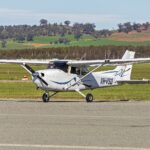
When people talk about affordable and dependable flying, the Cessna 172 usually comes up first. Its reputation is built on simplicity, predictable handling and an operating profile that makes sense for students, hobbyists and time-building pilots. Even though it is not the cheapest aircraft to own, its long track record gives pilots peace of mind because they know exactly what they are getting. Many aviators describe it as the sweet spot between practicality and performance because it is forgiving enough for beginners yet capable enough for long cross-country flights.
The airplane’s reliability also plays a massive role in its popularity. The airframe has been around for decades and mechanics are familiar with every nut and bolt, which keeps troubleshooting more manageable. Parts availability is another reason it stands out, because owners rarely have difficulty sourcing components for routine maintenance. Pilots trust the 172 not because it is flashy but because it is consistent and behaves exactly as expected flight after flight.
Another point that adds to its widespread appeal is its resale value. Pilots like to know that when they eventually upgrade to a faster or more complex aircraft, their initial investment will not evaporate. The Cessna 172 holds value surprisingly well compared to many other general aviation aircraft. Whether buying new or used, owners see it as a stable financial move rather than a risky purchase.
To give you a quick sense of what makes it a favorite, here are some typical reasons pilots choose a Cessna 172:
- Easy to fly and ideal for training
- Strong used market and high resale value
- Accessible parts and experienced mechanics everywhere
- Low insurance complexity compared to high performance aircraft
- Predictable maintenance due to decades of operational history
Purchase Price: New vs Used and What Affects It
Talking about Cessna 172 costs always starts with the purchase price, and the number varies wildly depending on age, avionics, condition and overall market trends. Buying a new Cessna 172 is a major financial commitment and feels similar to buying a high-end house in many parts of the country. A brand-new, factory-fresh model typically sits in the premium range because it includes updated avionics, improved interiors and modern safety features pilots have come to expect.
Used prices, however, cover a much broader spectrum. Some older models sell for a fraction of the price but may require additional funds for upgrades or catch-up maintenance. Others are meticulously restored classics that actually cost more than mid-age models because they have upgraded avionics and freshly overhauled engines. The used market is where most pilots shop because it offers options for almost every budget level.
Several factors influence the selling price, so it helps to know exactly what pushes values up or down. Avionics packages are the biggest driver. Planes equipped with glass cockpits, autopilot systems and ADS-B solutions naturally cost more because pilots want turnkey readiness. Engine time is another major factor. A low time engine signals fewer immediate expenses, while an engine nearing overhaul usually means a discounted price to compensate for upcoming work.
Here is a table to help visualize how different variables influence the purchase price of a Cessna 172:
| Factor | How It Affects Price |
| Year and model variant | Newer models cost significantly more |
| Avionics package | Glass cockpit or upgraded avionics increase price |
| Engine time since overhaul | Low time pushes value up |
| Interior and paint condition | Refreshed aesthetics raise desirability |
| Logbook completeness | Complete logs maintain higher resale value |
| Maintenance history | Well maintained aircraft sell for more |
| Modifications and STCs | Useful upgrades add value, unnecessary mods may not |
Pilots often discover that the initial purchase price is only part of the journey. A cheaper aircraft can actually cost more later if it needs immediate avionics updates or mechanical work. Paying a bit more for a well kept model often saves money in the long run.
Operating Costs You Can Expect Every Year
Owning a Cessna 172 goes far beyond buying the airplane. The real financial commitment lies in the annual operating costs, which stack up steadily regardless of how often you fly. One of the largest pieces of the puzzle is fuel. The 172 typically burns a moderate amount per hour, which makes it reasonable for long cross country trips and casual weekend flights. Pilots who plan to fly several times per week will see fuel become one of their most noticeable expenses.
Maintenance is another major area of cost. Even though the 172 is known for reliability, it still requires regular inspections, preventive upkeep and occasional part replacements. You can expect routine items like oil changes, spark plugs and minor wear components to appear throughout the year. The required annual inspection ensures safety and airworthiness, but it can sometimes reveal unexpected issues that add to the bill. Owning an aircraft means being prepared for those surprise fixes.
Insurance is also part of the annual budget. Premiums depend on pilot experience, claim history, aircraft value and geographic region. Newer pilots typically pay more because insurers factor in risk, while pilots with hundreds of hours in type often benefit from lower rates. The good news is the Cessna 172 sits in a relatively low risk category, which keeps insurance more accessible compared to complex or high performance airplanes.
To break down these recurring expenses, here is a list of typical annual operating costs pilots usually plan for:
- Fuel and oil
- Hangar or tie-down fees
- Annual inspection
- Routine maintenance and unexpected repairs
- Insurance premiums
- Chart subscriptions or digital navigation tools
- Avionics database updates
- Landing or parking fees at certain airports
Some pilots reduce expenses by joining aircraft partnerships or flying clubs. These arrangements help spread costs across multiple owners while still giving each person regular access to the airplane. Others prefer full ownership because it provides maximum flexibility and allows them to customize the aircraft to their needs.
Long Term Maintenance and Engine Overhaul Planning
When pilots talk about the long term cost of owning a Cessna 172, the conversation almost always lands on maintenance cycles and the engine overhaul timeline. Every engine has a recommended time between overhauls, which represents the manufacturer’s guidance on how long the engine should operate before needing a full teardown and rebuild. Planning for this major event is essential because it is one of the biggest single expenses an owner will face.
Overhauls can vary in cost based on where the work is done, what parts are replaced and the condition of the engine at the time of teardown. Some owners choose a factory rebuilt engine for convenience and reliability, while others prefer field overhauls done by trusted local shops. The difference can influence total cost but both options extend the aircraft’s lifespan and help maintain resale value.
Beyond the engine, the airframe also needs continued attention over the years. Items like control cables, landing gear components and fuel system parts eventually require replacement. Avionics also age, which means some instruments or screens may need service or complete upgrading as technology evolves. Staying on top of these items not only keeps the aircraft safe but also prevents larger, costlier issues down the road.
Below is a table summarizing long term maintenance considerations for Cessna 172 ownership:
| Long Term Item | Notes on Cost Impact |
| Engine overhaul | Major expense, varies by shop and parts used |
| Propeller overhaul | Required periodically depending on prop type |
| Landing gear components | Wear items that fail with age or heavy use |
| Corrosion control | Essential for older airframes and coastal locations |
| Avionics updates | Modern systems greatly improve safety and value |
| Control cables and pulleys | Age dependent replacements over time |
| Exhaust system | Inspect for cracks and heat damage regularly |
Thinking ahead helps owners avoid major surprises. Budgeting gradually for the engine overhaul, for example, gives pilots peace of mind because they know the expense will not suddenly disrupt their flying plans. Some owners set aside a specific amount per flight hour that goes directly into a maintenance reserve, which helps cover long term items once they come due.
Is Owning a Cessna 172 Worth the Cost for Most Pilots
Deciding whether a Cessna 172 is worth the cost depends on how you plan to use the airplane. Many pilots see ownership as the ultimate way to enjoy aviation because it gives them full control over schedules, destinations and aircraft readiness. Renting works well for occasional fliers, but rental availability and scheduling conflicts often push frequent pilots toward ownership. Being able to walk into a hangar and fly whenever you want is a level of freedom renters rarely experience.
Another part of the equation is the emotional connection. Pilots often describe owning a 172 as having a reliable travel companion that is always ready for adventure. The ability to customize the avionics, interior and accessories creates a sense of pride and personalization that renting cannot match. Ownership also allows pilots to take long trips without worrying about rental restrictions or hourly limits.
From a financial perspective, the 172 is one of the more manageable aircraft to own long term. Although costs can add up, its predictable maintenance needs and strong resale value help soften the financial impact. Many owners find that the value they get from convenience, flexibility and flight experience far outweighs the ongoing expenses. For pilots who fly regularly, the investment often makes sense.
To wrap everything together, here is a simple list that helps summarize who benefits most from owning a Cessna 172:
- Pilots flying more than 100 hours per year
- Owners who value convenience and personal scheduling
- Pilots who want a stable long term investment in aviation
- Flyers who enjoy cross country travel and weekend trips
Students working toward advanced ratings and time building
What Does It Cost to Become a Cessna 172 Pilot?
For many pilots, the Cessna 172 isn’t just an aircraft — it’s the airplane they learn to fly in.
So when you look at hourly rental rates, the real question becomes:
How much does it actually cost to become a pilot flying a Cessna 172?
Here’s a realistic Cessna 172 flight training cost breakdown based on national averages.
Private Pilot License Cost in a Cessna 172
- Aircraft rental (C172): $150–$180 per hour
- Flight instructor: $60–$90 per hour
- Realistic flight time: 55–70 hours
- Ground school & study materials
- Checkride & examiner fee
- Total realistic cost to become a pilot:
$12,000 – $18,000
This number varies by location, but one factor impacts it more than anything else:
How prepared you are for each lesson.
Why Some Students Spend Thousands More Than Necessary
The biggest hidden expense in flight training isn’t extra flight time —
it’s repeating lessons because the ground knowledge isn’t solid.
Every time a student shows up unprepared, they:
- Re-fly the same maneuvers
- Use more instructor time
- Delay solo and checkride readiness
That’s where training costs quietly skyrocket.
Students who study efficiently on the ground:
✅ Finish faster
✅ Need fewer flight hours
✅ Spend less overall
How to Reduce Your Cessna 172 Training Cost
If your goal is to fly a Cessna 172 confidently without wasting time or money, having a clear and structured ground-school foundation makes a massive difference.
Many student pilots use structured training programs that explain:
- Aerodynamics in plain English
- FARs without memorization
- Checkride topics step-by-step
so they can show up to each lesson ready to fly — not to learn basic theory in the airplane at $170/hour.
Start Your Pilot Training the Smart Way
If you want to reduce your total training cost and progress faster, using a proven ground-school system before and during your flight lessons can make all the difference.
Finish your training faster and stop wasting money on repeated lessons.
Owning a Cessna 172 is not inexpensive, but it offers a compelling blend of reliability, practicality and enjoyment. For many aviators, the costs are justified by the independence and adventure that come with having an airplane ready to go whenever the sky calls.
Image Credit: Wikimedia Common
Disclosure: This article contains affiliate links. If you purchase through them, we may earn a commission at no extra cost to you.
Cessna 172 Skyhawk Ownership & Operating Costs: Full Guide

If you have ever dreamed of owning a Cessna 172 Skyhawk, you are in good company. This aircraft has been the go to choice for student pilots, weekend flyers, flight schools, and even some small business owners who need a dependable personal airplane. The Skyhawk has a charm that sticks with you, from the way it handles to the way it feels in the air. It is simple, reliable, forgiving, and surprisingly capable for its size. But as much as it is loved, one big question always comes up when someone seriously considers buying one: how much does it actually cost to own and operate?
The truth is that airplane ownership is more than just the purchase price. The real cost unfolds over time. You pay to store it, maintain it, insure it, fuel it, upgrade it, and keep it airworthy. For many first time buyers, the ongoing costs can be a little overwhelming until everything is laid out clearly. That is exactly what this guide is for. We will walk through every expense you can expect with a Cessna 172 Skyhawk, from the initial investment to the yearly bills and the cost per hour once you start flying regularly.
By the end of this full guide, you will know what numbers to expect, what variables influence those numbers, and whether Skyhawk ownership fits your long term flying goals. If you want a realistic, conversational breakdown rather than scattered bits of information, this is the place to start.
Purchase Price and Market Factors
Buying a Cessna 172 Skyhawk is different from buying a car because the price varies tremendously based on age, engine time, avionics, maintenance records, and upgrades. You can find older 172s that still fly beautifully, and you can find newer models with glass cockpits that cost as much as a luxury home. So before you fall in love with a specific airplane, it helps to understand the typical price ranges and the factors that influence them.
Most pilots start by looking at older models because they are the most budget friendly. A Cessna 172 built between the 1960s and 1980s usually sits in the lower price range. Even though these airframes are old, they are extremely durable and many have been maintained with great care. On the other hand, the more modern 172S models with Garmin G1000 avionics usually come with higher price tags. These later models appeal to buyers who want a more advanced flying experience and lower long term maintenance risk.
Below is a simple table showing typical market ranges. The numbers can move around depending on condition, location, and demand, but this gives a good working estimate.
Cessna 172 Skyhawk Purchase Price by Model Type
| Model or Year Range | Typical Price | Avionics Type | Engine Type | Ideal Buyer Profile |
| 1960s to early 1970s | 70,000 to 120,000 USD | Analog gauges | Older Lycoming O-320 | Budget buyers, restorers, light recreational flyers |
| Late 1970s to 1980s | 120,000 to 160,000 USD | Analog gauges | Lycoming O-320 or O-360 | Cost conscious buyers wanting reliable performance |
| 1990s models | 160,000 to 220,000 USD | Mostly analog with limited upgrades | Lycoming O-320 or O-360 | Pilots wanting modernized classics with lower airframe age |
| Cessna 172R | 180,000 to 260,000 USD | Analog or partial upgrade | Lycoming IO-360-L2A | Flight school owners, pilots seeking fuel injected engine |
| Cessna 172S (analog panel) | 230,000 to 330,000 USD | Analog gauges with upgraded radios possible | Lycoming IO-360-L2A | Private owners wanting newer airframes without glass cockpit prices |
| Cessna 172S with G1000 | 250,000 to 450,000 USD | Garmin G1000 glass cockpit | Lycoming IO-360-L2A | IFR pilots, modern avionics users, training centers |
| Brand new Skyhawk | 430,000 to 550,000 USD | Latest Garmin G1000 NXi | Lycoming IO-360-L2A | Buyers wanting zero time aircraft and latest technology |
Several factors can significantly affect pricing. For example, an aircraft with a freshly overhauled engine is worth notably more than one that is close to needing its overhaul. An airplane with modern avionics upgrades usually commands a premium because buyers appreciate the safety and ease of use that comes with newer technology. Even the state of the interior, paint quality, and completeness of logs can influence the final price. Many buyers overlook logs until the last minute, but missing documentation can drastically reduce the value of the aircraft.
The market itself also changes. During times of high demand, prices climb quickly, and clean examples sell fast. During slower market periods, you may find great deals if you are patient. Geography matters too. Airplanes based in dry climates like Arizona or Nevada typically show less corrosion, which makes them more appealing and often more expensive. Conversely, aircraft stored outdoors near coastal areas may have corrosion issues that reduce their value unless maintenance has been exceptional.
The bottom line is that you should approach the purchase decision with flexibility. If you focus only on one year or model, you might limit your options unnecessarily. Instead, concentrate on the aircraft’s condition, logs, avionics, and engine status. These will determine whether the price is justified and whether the aircraft is likely to stay affordable for many years after you buy it.
Operating Costs You Should Expect
Once you buy a Cessna 172, the actual cost of ownership begins. The recurring costs add up slowly but consistently, and understanding them helps you budget realistically. Some expenses are fixed, meaning they occur regardless of how much you fly. Others are variable and depend directly on your total flight hours.
Many new aircraft owners are surprised at how predictable airplane costs actually are once they break everything down. The most important part is keeping up with maintenance because a neglected airplane becomes expensive quickly. But a well maintained Skyhawk tends to be friendly on the wallet compared to many other planes in the same category.
Here are the most common operating expenses you should expect each year.
- Fuel
- Oil and routine servicing
- Annual inspection
- Unexpected repairs
- Insurance
- Hangar or tie down fees
- Avionics database subscriptions if applicable
- Engine reserve funds
- Miscellaneous upgrades or replacements
Fuel is usually the largest variable cost. The typical Cessna 172 burns around eight to ten gallons of fuel per hour depending on power settings and the specific model. Fuel prices vary by airport and region, but you can estimate the cost by multiplying your average gallons per hour by the current local price per gallon. Oil changes and small routine servicing costs are minor compared to other expenses, but they still occur regularly.
Insurance is another important operator cost. Unlike car insurance, aircraft insurance does not just cover damage. It also covers liability risks, passenger injuries, and various in flight situations that come with aviation. The cost depends on your flight experience, accident history, location, and the value of the airplane. Lower time pilots generally pay more because insurers view them as higher risk.
Storing your aircraft is an unavoidable recurring cost. Some pilots choose a hangar for maximum protection, while others pick a tie down to save money. Hangars are more expensive but help protect the aircraft from sun, wind, rain, and hail. In many regions, the difference in long term maintenance between a hangared airplane and one that stays outdoors is significant.
Repair costs can come as surprises, but even well maintained aircraft require occasional attention. The key is to budget a maintenance reserve and avoid being caught off guard by a sudden avionics issue, tire replacement, or component failure. If you plan ahead, these expenses feel manageable rather than stressful.
Finally, the cost of keeping avionics databases updated applies mostly to aircraft with modern glass panels or GPS systems. Older analog equipped 172s have no such subscription costs, which is one reason they remain popular among budget focused pilots.
How Much Does It Cost Per Year to Own a Cessna 172
People love to talk about hourly flying costs, but when you own the plane, the real question is how much everything adds up to each year. Annual costs depend on flying habits. Someone who flies one hundred hours yearly will have different expense patterns from someone who flies thirty hours. The more you fly, the more fuel and maintenance you use, but the fixed costs remain the same regardless.
Most owners find that the annual cost falls into a predictable pattern. You can plan for fixed costs like insurance and storage while adding variable costs based on flight hours. To help you visualize it, here is a typical breakdown using realistic numbers commonly reported by 172 owners.
Annual Ownership Cost Table for a Cessna 172 Skyhawk
| Expense Category | Typical Yearly Cost | Notes |
| Fuel (based on 100 hours) | 5,500 to 7,000 USD | Assumes 8 to 10 gallons per hour and regional fuel pricing |
| Oil changes and routine service | 300 to 600 USD | Regular servicing every 25 to 50 hours |
| Annual inspection | 1,500 to 3,000 USD | Varies based on findings and shop labor rates |
| Insurance | 1,200 to 2,500 USD | Depends on pilot time and aircraft value |
| Hangar or tie down | 1,200 to 5,000 USD | Hangars cost more but reduce weather wear |
| Unexpected repairs | 1,000 to 3,500 USD | Covers parts replacements and minor issues |
| Avionics database subscriptions | 0 to 1,000 USD | Applies mainly to GPS or glass cockpit systems |
| Engine overhaul reserve | 1,500 to 3,000 USD | Based on overhaul cost spread across 2,000 hours |
If you total these numbers, most owners spend between 12,000 and 22,000 USD per year to operate a Skyhawk. That might sound high at first glance, but compared to many other aircraft, the Cessna 172 is remarkably affordable. Its parts are widely available, mechanics know it well, and it does not eat fuel the way larger aircraft do. That is why flight schools rely heavily on them.
The engine overhaul reserve is one category that deserves extra attention. The Lycoming engine on the 172 generally needs an overhaul every 2,000 flight hours. If you set aside money for the overhaul each year, then by the time the engine reaches its limit, you will have enough saved to cover the expense. This prevents financial shock later. Many new owners skip this step and regret it when the overhaul becomes unavoidable.
Insurance costs vary more than any other category. A new pilot with less than one hundred hours may pay close to the upper end of the estimates, while an experienced instrument rated pilot with a clean history may enjoy lower premiums. It is worth requesting quotes from several providers because rates fluctuate based on market conditions and risk evaluations.
Repairs and unexpected expenses can be hard to predict, but setting aside a maintenance reserve each year helps soften the impact. Something as small as replacing an alternator or fixing a fuel leak can add hundreds or even thousands to the yearly cost. Even so, when compared with more complex aircraft, the Cessna 172 remains inexpensive to maintain.
The yearly cost also depends on how proactive you are with preventative maintenance. Owners who give their aircraft regular attention usually enjoy fewer unpleasant surprises. Those who delay repairs often face higher expenses later. The Skyhawk rewards consistent care and tends to remain reliable for many years.
Cost Per Hour: Real Numbers That Skyhawk Owners Pay
Hourly cost calculations help you understand what each flight truly costs once you combine fuel, maintenance, reserves, and yearly fixed expenses. Many pilots underestimate this number before buying an airplane, but once you break it down, it becomes clear why flight schools charge what they do for rentals. Owning an airplane does not eliminate expenses. It simply means you control how and when they occur.
The first part of the hourly cost is fuel. If you burn nine gallons per hour and fuel costs six dollars per gallon, that alone is fifty four dollars per hour. Then add oil, which though inexpensive, averages a few dollars per hour. More importantly, add engine overhaul reserves. The overhaul can cost between twenty five thousand and forty thousand dollars depending on labor rates and where it is performed. Breaking that down over two thousand hours puts you at twelve to twenty dollars per hour.
Annual fixed costs must also be divided by your flight hours. For example, if you spend fifteen thousand dollars per year on fixed and variable costs combined and fly one hundred hours, your real hourly cost is one hundred fifty dollars an hour. If you fly fifty hours, that number doubles because fixed costs stay the same. If you fly two hundred hours, the cost per hour drops significantly because fuel and maintenance scale while fixed costs spread out.
Here is a simple list to help visualize how hourly cost forms.
- Fuel burn multiplied by price per gallon
- Oil burn divided by cost
- Engine overhaul fund per hour
- Parts and repair reserve per hour
- Annual fixed costs divided by total flight hours
- Avionics subscriptions divided by hours if applicable
Most owners pay somewhere between one hundred and one hundred eighty dollars per hour when all expenses are included. Flying more reduces the number, while flying less raises it. This is often the biggest shock for new owners who expected a cheaper number. But when compared to rental prices, ownership often provides better value because you get more flying time, better scheduling freedom, and the satisfaction of knowing your aircraft inside and out.
Your geographic location can also change the hourly number. Fuel in some regions costs far more. Labor rates for mechanics vary widely. Even hangar costs can shift from a few hundred per month to several thousand depending on the airport. That is why your personal situation matters when calculating realistic numbers.
Overall, the cost per hour is manageable once you build it into your aviation budget. You will fly more efficiently, plan your flights better, and enjoy the freedom of owning one of the most beloved general aviation aircraft in the world. The Cessna 172 is known for being predictable and reliable, and its hourly costs reflect that steady nature.
Is Owning a Cessna 172 Worth the Cost
With all these numbers laid out, the final question is whether owning a Cessna 172 is worth it. The answer largely depends on your flying goals. If you enjoy taking weekend trips, staying current, improving your skills, or sharing aviation with family and friends, then the Skyhawk is a great choice. It is one of the easiest aircraft to own because of its forgiving flight characteristics, low parts cost, and massive support network of mechanics and parts suppliers.
Many pilots describe owning a 172 as one of the best investments in their aviation journey, not because it makes financial profit, but because it adds meaning to their flying life. It gives you the ability to take off when the weather is perfect, avoid rental restrictions, and equip your plane in ways rental fleets often prohibit. You decide how clean it stays, how well it is maintained, and how it is flown. That sense of ownership builds confidence and pride.
Of course, there are reasons some pilots choose not to buy. If you fly fewer than thirty hours per year, renting might make more sense. Fixed costs will feel heavy if the airplane sits unused. Others prefer more speed or larger passenger capacity. And some simply want to avoid maintenance responsibility.
But if your heart is set on having your own airplane, the Cessna 172 Skyhawk offers a balance that is hard to find anywhere else. It is economical without feeling limited, and it is capable without being intimidating. Whether you want cross country trips, scenic local flights, or a reliable training platform, it meets all these needs comfortably.
The real value of ownership often becomes clear during quiet moments in the cockpit. When you push the throttle forward and feel the aircraft lift into the sky, the cost feels justified. When you take friends for their first flight and see their reactions, the expenses fade. And when you take a long weekend trip without worrying about rental schedules, ownership becomes more than a financial calculation. It becomes part of your lifestyle.
If you handle the budgeting responsibly, keep up with maintenance, and fly regularly, owning a Cessna 172 Skyhawk can be one of the most rewarding experiences in aviation. It offers freedom, flexibility, and a connection to flight that rental flying rarely matches. For many pilots, that makes every dollar worth it.
Image Credit: Wikimedia Commons
Cessna 206: Why It’s the SUV of the Skies
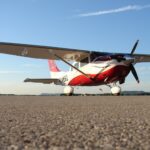
The Cessna 206 has a kind of presence that makes you understand why pilots casually call it the SUV of the skies. From the moment you see its wide stance and sturdy build, you feel that this aircraft was created for real work yet still carries the soul of adventure. This is a plane that feels both practical and exciting, as if it were made for pilots who want reliability with a bit of grit mixed in.
When you climb inside a 206, the feeling is different compared to lighter Cessna models. Everything feels more grounded in purpose. The seats offer more space than you might expect from a single engine aircraft, and the cargo capacity reminds you that this thing actually moves people and gear with ease. You begin to understand why it is so popular among bush pilots, small business owners, families, and regional operators who need something tough but also trustworthy.
There is a reason aviation community’s talk about the Cessna 206 with a kind of affectionate respect. Unlike many aircraft that fit specific niches, the 206 crosses boundaries. It can be a family hauler, a photography platform, a medical transport, or a rugged backcountry explorer. You can sense its versatility the same way you sense capability when you see a strong, well-built truck. It gives you confidence, and that confidence is what has made it a favorite for decades.
The Features That Make the 206 the SUV of the Skies
The Cessna 206 has earned its nickname for more than just looks. The combination of power, useful load, space, and flexibility puts it into a category very few aircraft touch. When pilots think about aircraft that can handle rough strips, carry heavy gear, and still fly comfortably across long distances, the 206 is one of the first names to pop into their minds.
To understand why, you need to look at the collection of features that make it so capable. These features are what make the 206 feel like a skybound utility vehicle that does not complain even when pushed to its limits. It is engineered for practicality and strength, yet still offers the comfort of a personal aircraft. When you mix these qualities together, you get the unique personality that pilots admire.
Here is a simple table breaking down some of the standout traits of the Cessna 206 and why they matter:
| Feature | Why It Matters |
| High useful load | Lets you carry passengers, cargo, and gear without feeling restricted. |
| Big rear cargo doors | Makes loading bulky or odd shaped items simple. |
| Strong landing gear | Handles rough terrain and backcountry strips. |
| Powerful engine | Delivers dependable performance even at higher altitudes. |
| Spacious six seat cabin | Offers room for families, workers, or outfitting teams. |
| Adaptable configuration | Can be used for floats, skis, surveillance gear, or medical kits. |
Each feature plays a role in shaping its reputation. The cargo doors alone set it apart from most light aircraft because you can actually load real equipment without awkward angling or tight maneuvering. The engine supports operations in mountainous regions where density altitude becomes a critical factor. The landing gear means you do not have to flinch every time the runway looks rough or grassy.
When you combine these things, the aircraft becomes something more than a standard piston single. It becomes a dependable partner. You feel like you can ask a lot of it, and it rarely pushes back. That is why pilots trust it and keep flying it even when newer, flashier aircraft appear in the market.
Real World Roles Where the 206 Excels
If you want to understand the true identity of the Cessna 206, you have to look at the way it is actually used. This is not an airplane that sits in a hangar waiting for sunny weekend sightseeing flights. It is out there every day in real world work, carrying passengers, hauling goods, and touching down on airstrips most aircraft would avoid. The way it operates in daily aviation life is what gives it the SUV comparison and makes the nickname feel completely earned.
One of the most impressive things about the 206 is its global presence. In remote parts of Alaska, you see it delivering supplies and helping families travel between isolated villages. In Canada, you see it on floats gliding into lakes surrounded by dense forest. In tropical regions, it might be fitted for medical transport, bringing help to communities far from hospitals. Every time you see a 206 in action, you get the sense that the pilots flying it rely on it completely.
You also find it in more personal settings. Many pilots use it as a family aircraft because of its ability to carry kids, pets, camping equipment, and luggage without feeling overloaded. The cabin space allows families to stretch out while still enjoying the charm of a private flight. The aircraft remains stable and reliable, which offers peace of mind for parents who want to fly safely with their children.
In the business sphere, it supports industries like aerial surveying, security operations, and filming. It carries camera equipment, sensors, or observation tools with ease. Some operators even convert it for parachute operations because the wide cabin and rear door setup make it ideal for jumpers. Its ability to shift between roles is what makes it beloved among professionals who need one aircraft to do the work of several.
Here is a list of common real world uses for the Cessna 206:
- Bush flying and remote supply delivery
- Medical evacuation flights
- Aerial photography and surveying
- Family travel with heavy baggage
- Floatplane operations
- Skydiving missions
- Patrol and observation flights
- Charter operations in rugged regions
When you see how often the 206 steps into demanding jobs, you understand why it gets so much respect. It proves itself again and again by showing up, performing well, and handling conditions that would ground more delicate planes.
Flying Experience and What Pilots Love
Ask pilots who regularly fly a 206 and you will hear a consistent theme. They talk about how steady it feels, how reassuring its weight is, and how practical its layout becomes once you know your way around the cabin. Pilots also appreciate that the aircraft gives them flexibility. They can pack it full, fly long distances, operate in varied terrain, and still finish the flight feeling like the airplane never struggled.
The flying experience is often described as controlled and confident. The aircraft has enough weight to make turbulence feel more manageable, which is something pilots value when carrying passengers. The large wing area provides lift that feels predictable, and the powerplant delivers solid climb performance even in the heat of summer or at higher elevations. This combination makes the aircraft feel like it is helping you rather than testing you.
What pilots especially love is that the 206 gives them options. You can remove seats, add gear, switch configurations, or adapt the plane for specific missions. This is rare in small aircraft. Many planes are built for only one type of flying, but the 206 is built for many. That makes pilots feel like they are flying something robust and capable rather than something fragile or limited.
Another detail that earns appreciation is how the airplane handles loading. Many aircraft feel sensitive when you add weight, but the 206 seems to welcome it. It feels stable even when carrying a heavier load within its limits. Pilots like that predictability because it makes planning easier and gives them confidence in the airplane’s behavior.
Here are a few reasons pilots say they love flying the 206:
- Strong and reliable climb performance
- Stable handling even in less ideal weather
- Excellent cargo flexibility
- Comfortable cabin layout for pilots and passengers
- Confidence in backcountry operations
- Simple transitions between roles
When you put these elements together, you get an aircraft that feels built for real flying. Not show flying, not fair weather flying, but real flying that asks a lot from a machine. The Cessna 206 takes those demands in stride.
Why the Cessna 206 Still Reigns in Utility Aviation
The Cessna 206 has been around for decades, yet it consistently remains one of the most trusted aircraft in utility aviation. This longevity says a lot. Technology has changed. Avionics have evolved. New models have appeared. Yet through all of this, the 206 continues to hold its place. That is because what it offers is timeless. Practicality and reliability never go out of style.
There are aircraft that are faster, sleeker, or more technologically advanced. But very few can match the combination of strength, space, and adaptability that the 206 brings to aviation. Pilots who need something dependable choose it because they know it will work every day, in different environments, and under pressure. It is built to earn its keep, and that is exactly what it does.
You also see its value in the community of owners and operators. They share stories about long flights, heavy loads, tough landings, and successful missions. These stories form a kind of legacy that the aircraft carries forward. The 206 becomes more than a machine. It becomes a trusted partner in exploration, work, and travel.
What makes the aircraft unique is the emotion behind it. Owners often say they feel proud to fly a 206. They say it feels like flying something with character. Something dependable. Something that respects your skill and rewards your experience. That emotional connection, mixed with practical performance, is what keeps the 206 at the top of the utility category year after year.
Here is a short list of reasons the 206 continues to reign:
- Proven history in demanding conditions
- Unmatched versatility for pilots with different needs
- Strong community support and shared knowledge
- High resale value due to sustained demand
- Adaptability for both personal and professional roles
- Reliability that gives long term peace of mind
The Cessna 206 truly earns the title SUV of the skies because it brings everything pilots want in a hardworking, capable, and trustworthy aircraft. It is not just a flying machine. It is a tool, a companion, and a bridge to places most other aircraft cannot reach. And for pilots who understand what that means, the 206 becomes something unforgettable.
Image Credit: Wikimedia Commons
Cessna 414: Specs, Performance & Ownership Insights
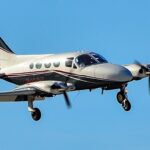
The Cessna 414 has earned a loyal following among pilots who want something powerful, comfortable, and capable without jumping into the world of turboprops. This twin engine piston aircraft sits in a sweet spot where performance, economy, and practicality meet, making it a favorite among private owners, charter operators, and small business flyers. If you have been curious about what makes the 414 such a standout or you are thinking about owning one someday, this guide walks you through everything you need to know.
Many pilots describe the 414 as a true step up from single engine aircraft while still being familiar and manageable. It offers cabin comfort that feels more like a small business aircraft than a typical light twin, and its pressurization system adds a level of ease and flexibility on longer flights. Whether you are attracted to its speed, payload, price range, or reliability, the 414 brings a lot to the table.
In this article, we will explore its technical specs, real world performance numbers, upgrade paths, maintenance considerations, long term ownership insights, and what it is actually like to fly one. By the end, you will have a clear understanding of whether the Cessna 414 is the right fit for your flying needs and budget.
Overview of the Cessna 414
The Cessna 414 was designed to fill an important gap between small piston twins and entry level turboprops. It made its debut in the 1970s as part of Cessna’s line of cabin class twins, giving pilots more space, more capability, and a more professional flight experience. Over the years, it evolved into the improved 414A Chancellor, which features a longer wingspan, different landing gear, and other refinements that boosted its efficiency and handling.
What sets the 414 apart is its pressurized cabin that allows pilots and passengers to fly over weather and turbulence without discomfort. Pressurization was once considered a luxury reserved for expensive business aircraft, but the 414 brought it into a more affordable segment. This feature continues to make the aircraft appealing for business travel, family trips, and regional charter operations.
Another thing that makes the aircraft attractive is its aftermarket support. Owners often upgrade avionics, interior materials, and engines to modern standards, giving the plane a second life. This makes the 414 a compelling choice for pilots who want capability without the enormous price tag of newer aircraft.
Key Highlights of the Cessna 414
- Pressurized cabin for higher and more comfortable cruising altitudes
- Twin turbocharged Continental engines
- Large, spacious cabin for passengers
- Good balance of speed, range, and operating cost
- Broad availability of upgrades and replacement parts
- Strong aftermarket community and owner groups
The Cessna 414 is often viewed as a pilot friendly aircraft with systems that are straightforward and reliable. Although it requires multi engine experience and good engine management skills, most pilots find it predictable and enjoyable to fly. This combination of comfort, capability, and cost makes it a strong competitor in the world of cabin class piston twins.
Cessna 414 Specs and Performance
Pilots shopping for a 414 often want clear numbers so they can compare it with similar aircraft. The specifications can vary slightly depending on year, model updates, and installed upgrades. However, most models fall within the same range of performance, making it easy to get a general picture of what to expect.
The table below summarizes the typical specifications for a Cessna 414 or 414A Chancellor. These numbers are rounded and can vary based on engine mods, weight limits, propellers, paint, and interior configuration.
Cessna 414 General Specifications
| Category | Specification |
| Engines | Twin Continental TSIO 520 series |
| Horsepower | 310 to 325 hp per engine |
| Cruise Speed | 210 to 235 knots depending on model and upgrades |
| Range | 1,400 to 1,600 nautical miles |
| Service Ceiling | 30,000 feet |
| Fuel Capacity | About 200 to 250 gallons depending on tank configuration |
| Rate of Climb | 1,300 feet per minute average |
| Takeoff Distance | Around 2,000 feet to clear a 50 foot obstacle |
| Landing Distance | Around 1,900 feet to clear a 50 foot obstacle |
| Useful Load | Typically 1,600 to 2,000 pounds |
| Seating | Six to eight seats depending on interior layout |
One of the standout abilities of the 414 is its combination of speed and efficiency. While it does not fly as fast as a turboprop, its fuel burn is significantly lower. Many owners report average fuel burn figures between 30 and 38 gallons per hour total, depending on altitude and power settings. This makes it a viable option for longer cross country trips without breaking the bank.
The 414 also performs well in high altitude conditions thanks to its turbocharged engines. Pilots can climb above turbulence or over mountainous terrain with confidence. The pressurization system further enhances the flight experience by reducing fatigue for passengers and crew.
The takeoff and landing distances allow the aircraft to use medium sized runways with ease. It is not a short field performer like some STOL aircraft, but it can comfortably operate in a wide range of general aviation airports. This flexibility is one reason business travelers appreciate the aircraft.
Flight Experience and Handling
Ask pilots why they love the 414 and you will hear consistent answers. Many describe it as smooth, predictable, and responsive without feeling overly sensitive. It has enough weight and size to feel stable in turbulence, but still handles like a light twin from a control standpoint. For pilots upgrading from singles like the Cessna 210 or Beechcraft Bonanza, the transition feels natural.
One thing pilots often note is the forgiving nature of the aircraft during landing. The Chancellor variant with the longer wing feels especially stable on approach, helping pilots maintain a smooth glide path. The trailing link landing gear also absorbs uneven landings more gracefully than other aircraft in its class. This makes the 414 a good option for pilots building multi engine time.
The aircraft’s performance in climb and cruise is another advantage. Turbocharged engines allow it to maintain strong climb capability even at higher altitudes or hotter temperatures. Many pilots appreciate being able to climb to the mid twenties and enjoy cooler, smoother air while cruising comfortably above terrain.
What Pilots Commonly Appreciate About the Flight Experience
- Stable and predictable handling characteristics
- Strong climb performance, especially in the 414A variant
- Comfortable cabin with good legroom and visibility
- Reliable and straightforward systems
- Smooth landing performance with trailing link gear
- Improved safety and flexibility with pressurization
While the 414 is generally forgiving, it still requires good engine management skills, particularly during high workload situations. Pilots must monitor temperatures, fuel flow, and boost pressures carefully. However, once accustomed to the aircraft’s systems, most find it manageable and even enjoyable on longer trips.
If the aircraft is equipped with modern avionics, such as a Garmin G600 or G700 suite, the experience improves even further. Many owners upgrade to autopilot systems, digital engine monitors, and advanced navigation tools that bring the cockpit to near modern standards. This combination of classic capability and modern convenience is a major selling point.
Operating Costs, Maintenance, and Modifications
Understanding the ongoing cost of owning a 414 is important for any potential buyer. While it is more affordable than turboprops, it still comes with twin engine expenses and the added complexity of pressurization. The most common costs include fuel, insurance, hangar fees, routine maintenance, and unscheduled repairs.
Fuel is one of the main operating expenses. A typical 414 burns between 30 and 38 gallons per hour, which is reasonable for a cabin class twin. Owners who fly at higher altitudes and lean properly often see better efficiency. Because the aircraft can cruise at higher altitudes, it can also take advantage of more favorable winds, saving time and fuel over long distances.
Maintenance is a major part of long term ownership. The turbocharged Continental engines require periodic overhauls that can be expensive depending on market conditions. Pressurization systems also need consistent inspections, seals, and valve maintenance. Many owners budget an annual maintenance cost of several tens of thousands of dollars. While this may sound high, it aligns with similar aircraft in its class.
Common Expenses Associated with Cessna 414 Ownership
- Annual inspections and routine maintenance
- Engine overhauls every 1,600 to 2,000 hours
- Propeller overhauls and balancing
- Pressurization system upkeep
- Avionics upgrades and repairs
- Insurance and hangar fees
- Unscheduled repairs due to wear or age
Modifications are a popular part of the 414 ownership experience. Many owners choose to upgrade their engines to RAM Series engines, which provide improved performance, smoother operation, and better longevity. Propeller upgrades can reduce noise and vibration. Avionics upgrades are also common, particularly when converting older analog panels into modern glass cockpit layouts.
Interior refurbishments are another area where owners invest. Because the aircraft has a spacious cabin, new upholstery, side panels, and soundproofing can dramatically improve the feel of the aircraft. From leather seats to executive style layouts, the 414 gives owners flexibility to personalize it to their tastes.
One thing worth mentioning is that parts availability for the 414 remains strong. While some older aircraft can be hard to maintain due to discontinued components, the 414 benefits from a large installed base and a reliable aftermarket ecosystem. This helps keep long term operating costs manageable and gives owners confidence that their aircraft will remain supportable for years.
Is the Cessna 414 Right for You
With so many piston twins and light turboprops on the market, deciding whether the 414 is right for you depends on your flying needs, passenger requirements, and budget. The aircraft offers an excellent mix of comfort, capability, and affordability that appeals to private owners and small businesses. However, it is not the perfect fit for every pilot.
If you regularly fly long distances, carry multiple passengers, or operate in higher altitude environments, the 414 provides strong advantages. Its pressurized cabin turns long flights into more relaxed experiences, allowing passengers to avoid the discomfort of lower altitude turbulence. For business travelers, the ability to travel above weather conditions offers major value.
On the other hand, pilots who only make short flights or who prefer low maintenance costs may find the twin engine complexity unnecessary. A high performance single engine aircraft could be a better match for local flying. The 414 shines most when used as a cross country or business travel machine.
Reasons the Cessna 414 May Be a Good Fit
- You want a pressurized twin that balances speed and economy
- You frequently fly passengers and want a spacious cabin
- You are comfortable with multi engine aircraft and engines with turbocharging
- You appreciate the option to upgrade avionics and interiors
- You want long distance capability without turboprop level costs
Reasons It Might Not Be the Best Fit
- You want very low maintenance and operating costs
- You make short flights or do not need cabin class comfort
- You prefer single engine simplicity
- You have limited multi engine experience or do not want added system complexity
When evaluating the 414, it is helpful to compare it to alternatives like the Cessna 421, Beechcraft Duke, Piper Navajo, or early model turboprops. Each offers different advantages in speed, comfort, and maintenance profile. However, the 414 often stands out for its balanced value and strong overall performance.
Conclusion
The Cessna 414 is a well loved aircraft for many good reasons. It combines comfort, capability, and reliability in a package that remains attractive for private pilots and small businesses alike. Whether you are drawn to its pressurized cabin, long range capability, strong performance numbers, or upgrade potential, the aircraft continues to offer excellent long term value.
While ownership comes with responsibilities and higher maintenance needs compared to smaller aircraft, many owners believe the benefits outweigh the costs. Pilots enjoy its flying characteristics and appreciate the spacious cabin that feels more like a business aircraft than a piston twin.
If you are evaluating the Cessna 414 as your next step in aviation, consider your typical mission profile, your willingness to manage twin engine and pressurization systems, and your long term budget. With careful planning and proper maintenance, the Cessna 414 can be a dependable and rewarding aircraft that delivers years of enjoyable flying.
Image Credit: Wikimedia Commons